Chickens & Bees
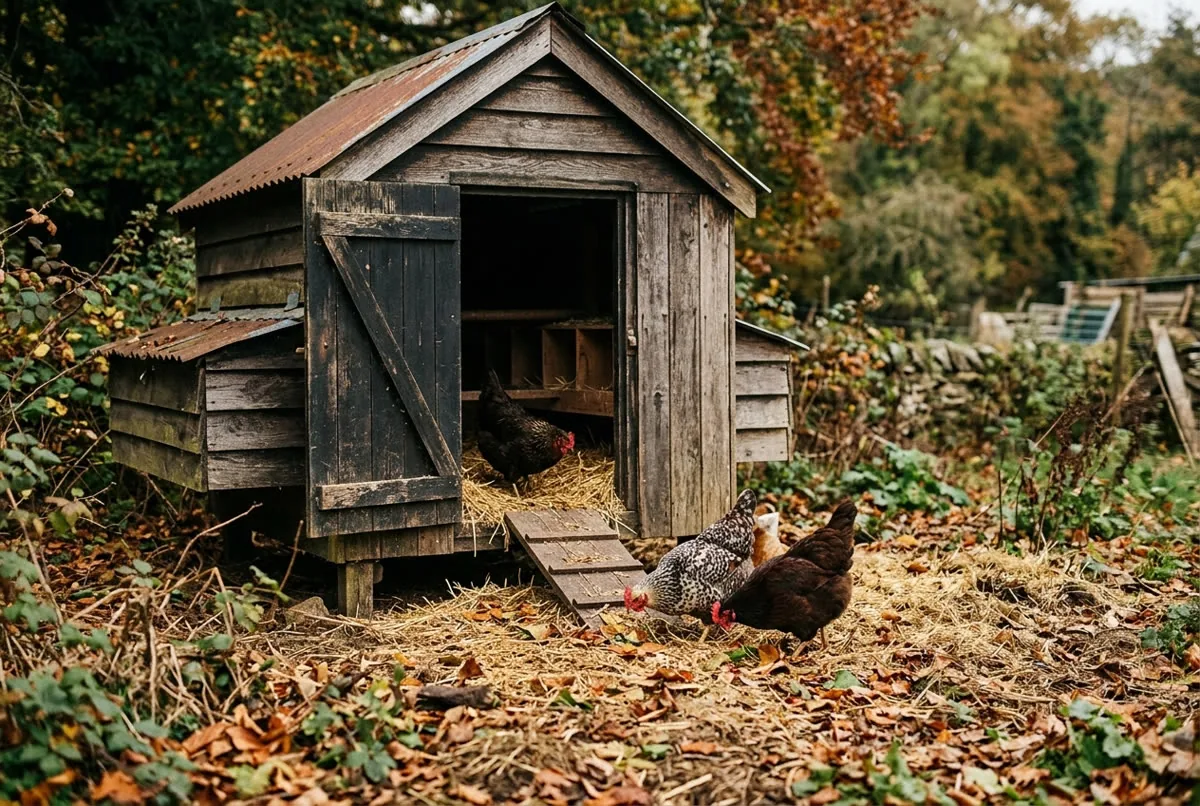
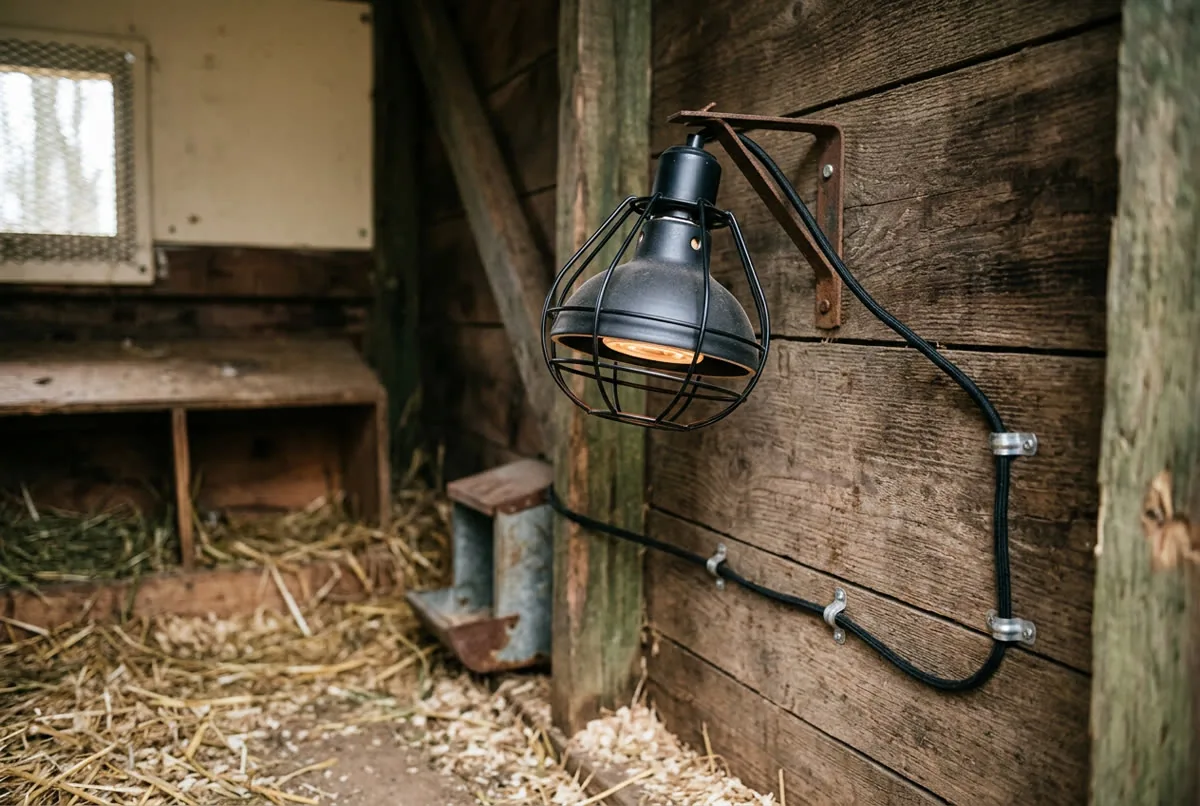
The DIY Chicken Coop Heater That Won't Start a Fire
The safest DIY coop heater is a mounting job, not a heating element. What actually causes coop fires, the safe install, and how to tell if you need heat.
Build guides and projects for a more self-sufficient backyard.
The safest DIY coop heater is a mounting job, not a heating element. What actually causes coop fires, the safe install, and how to tell if you need heat.
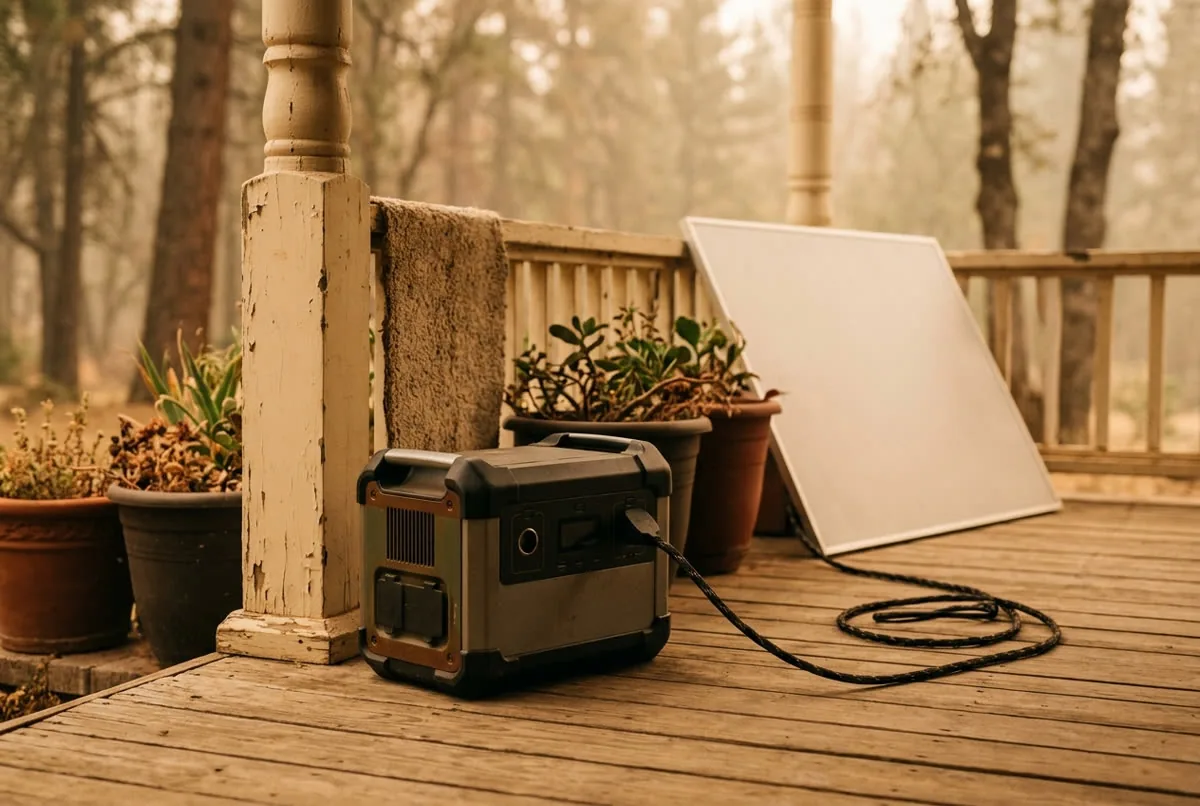
A Public Safety Power Shutoff is a planned wildfire outage PG&E aims to end within 24 hours after the weather passes. What battery and solar backup covers.
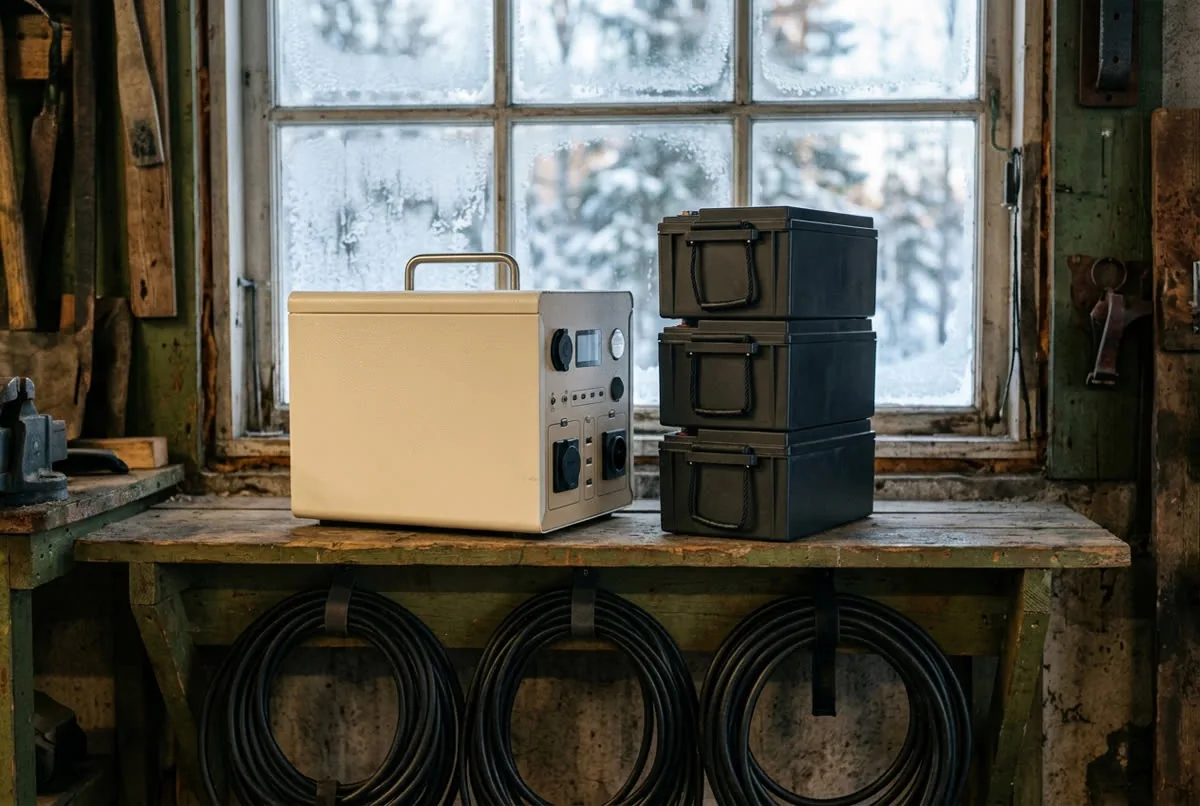
Cold rarely kills a battery bank. Charging lithium below 32F does, and a flat lead-acid freezes. Charge floors, freeze points, and a real deadline.
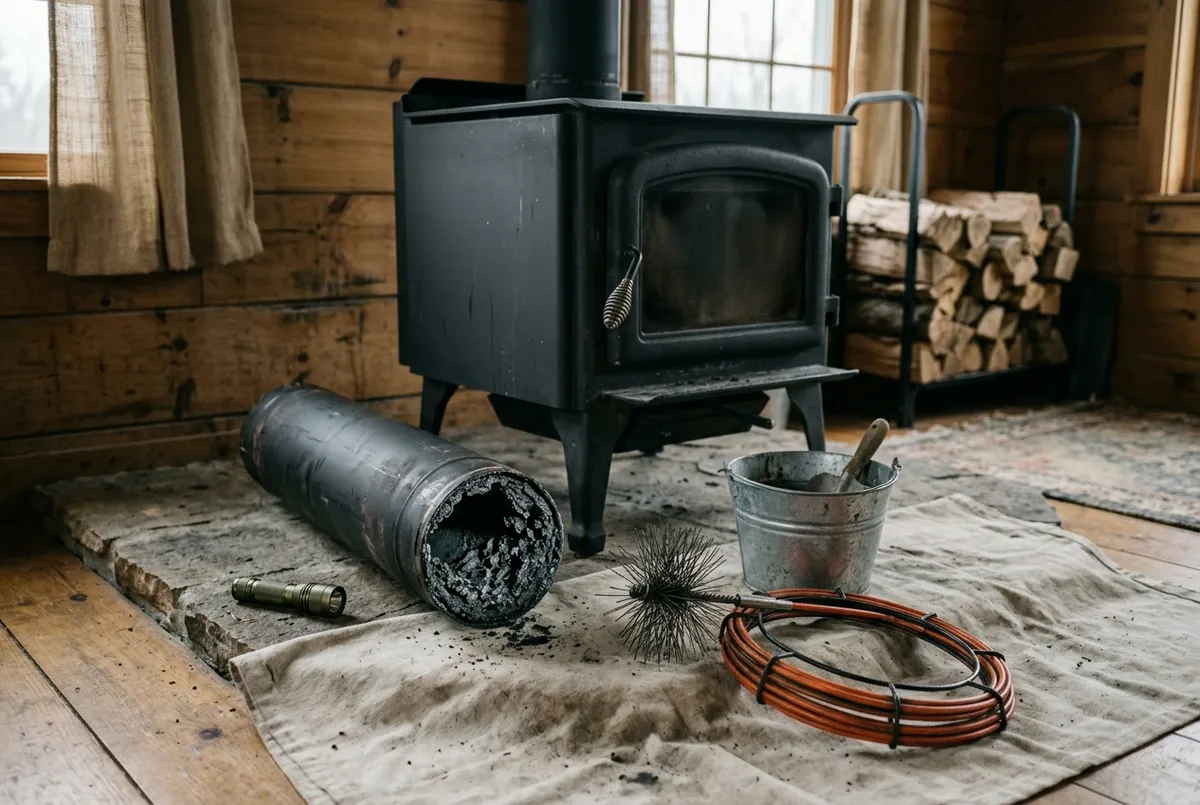
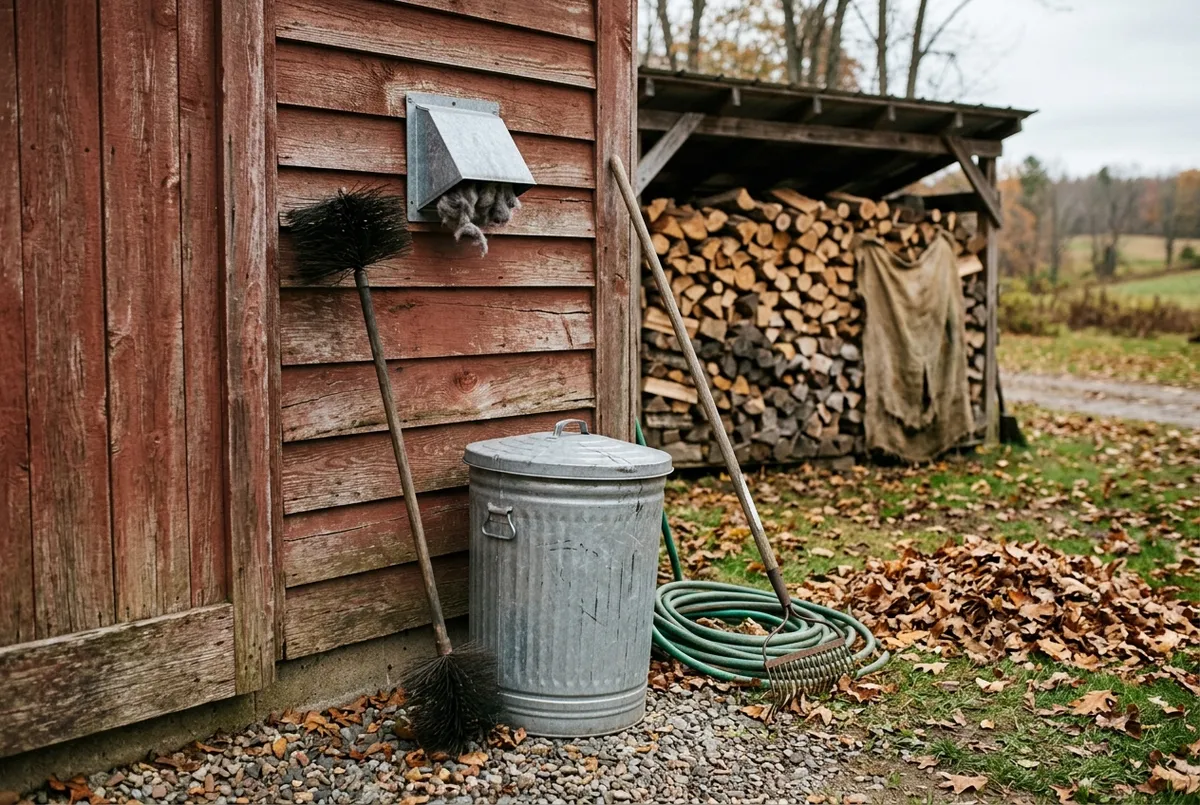
Most reported home heating fires are confined chimney, flue or fuel-burner fires. What to check on a wood stove chimney before the first fire.
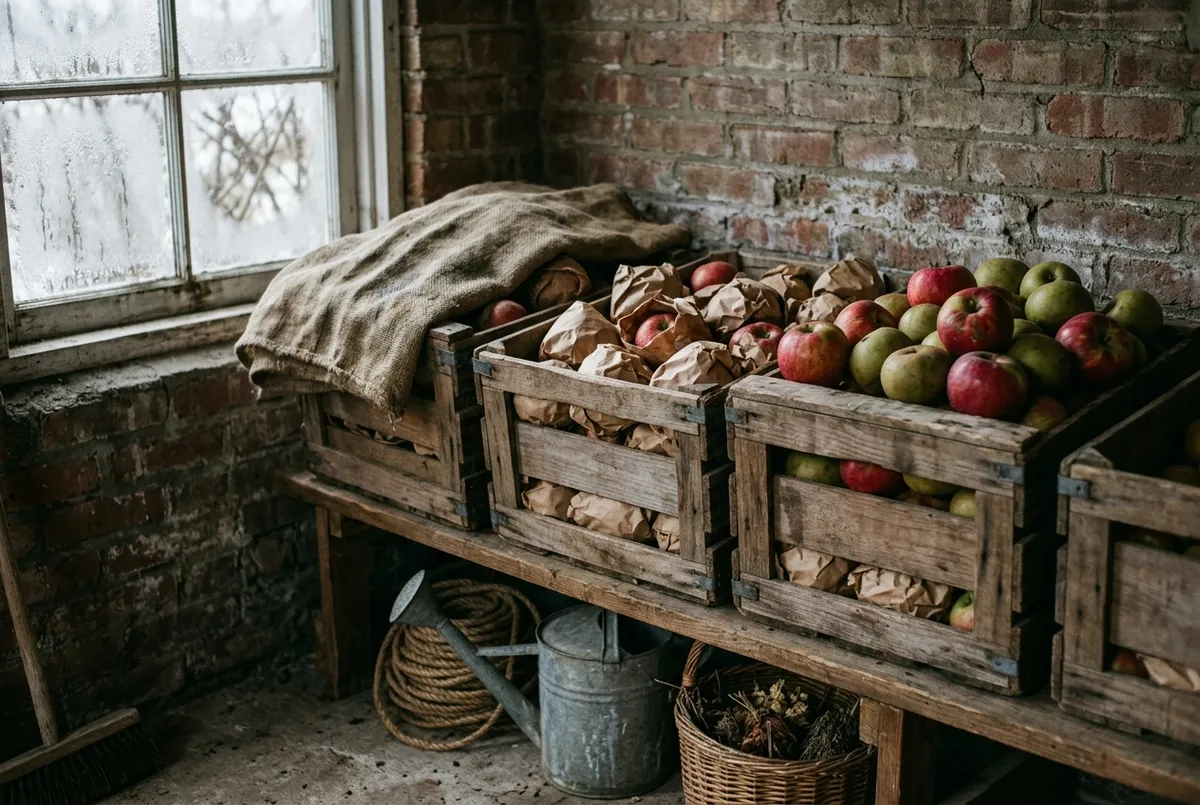
How to store apples for months without a root cellar, using the temperature and humidity ranges university extension research recommends.
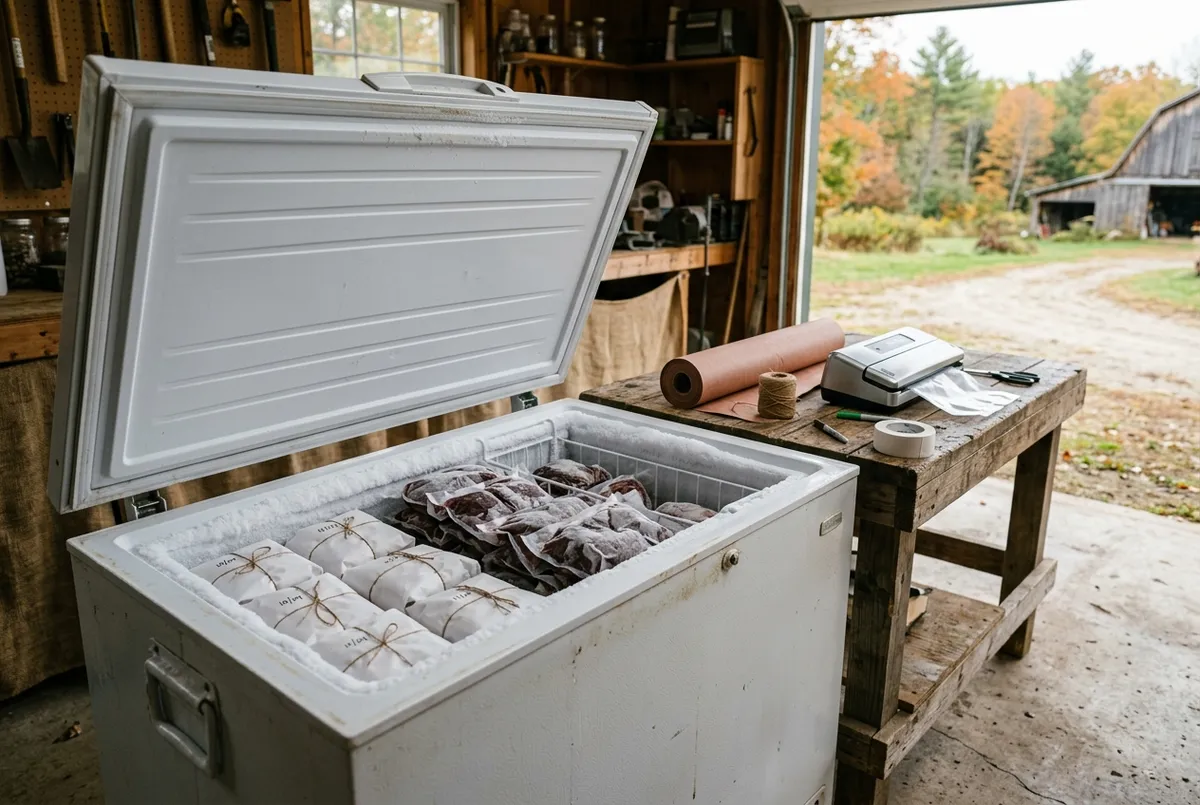
Archery season opens in October in many states. Here's how much freezer space a whole deer actually needs, and how to keep venison safe through the season.
Fire Prevention Week 2026 runs October 4-10. Here are the backyard fire risks that actually matter: chimney damage, debris burning, and dryer vents.
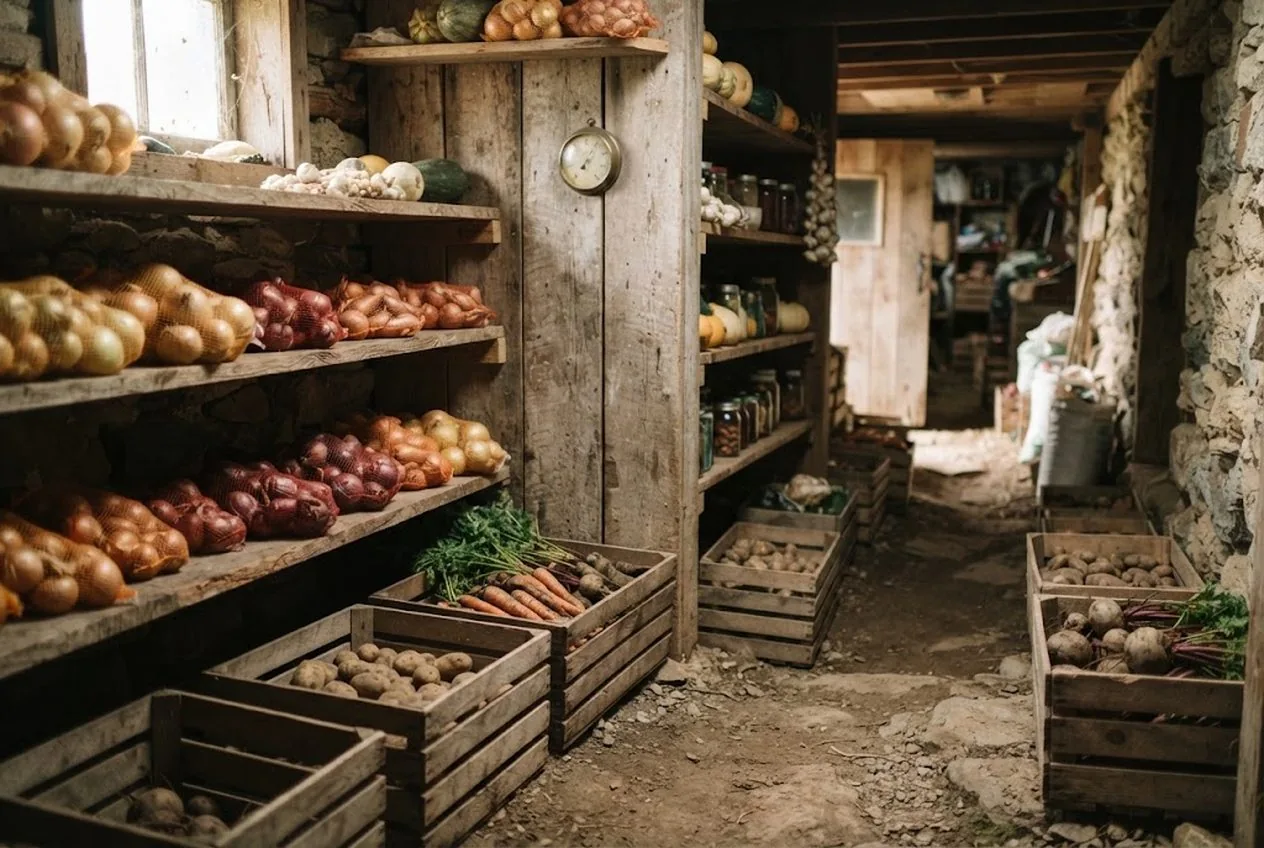
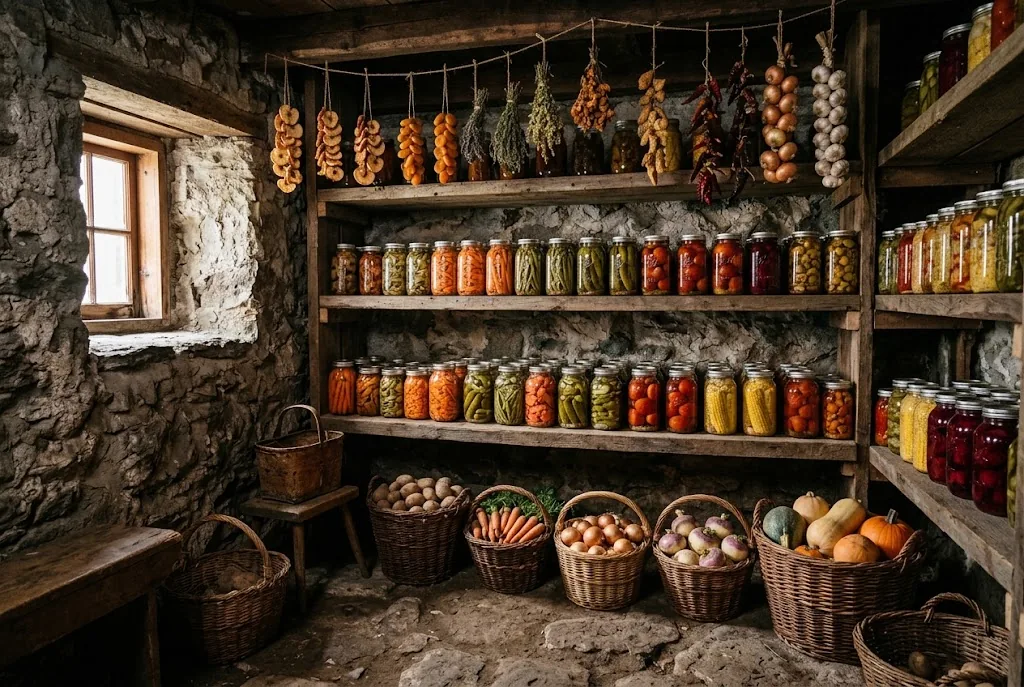
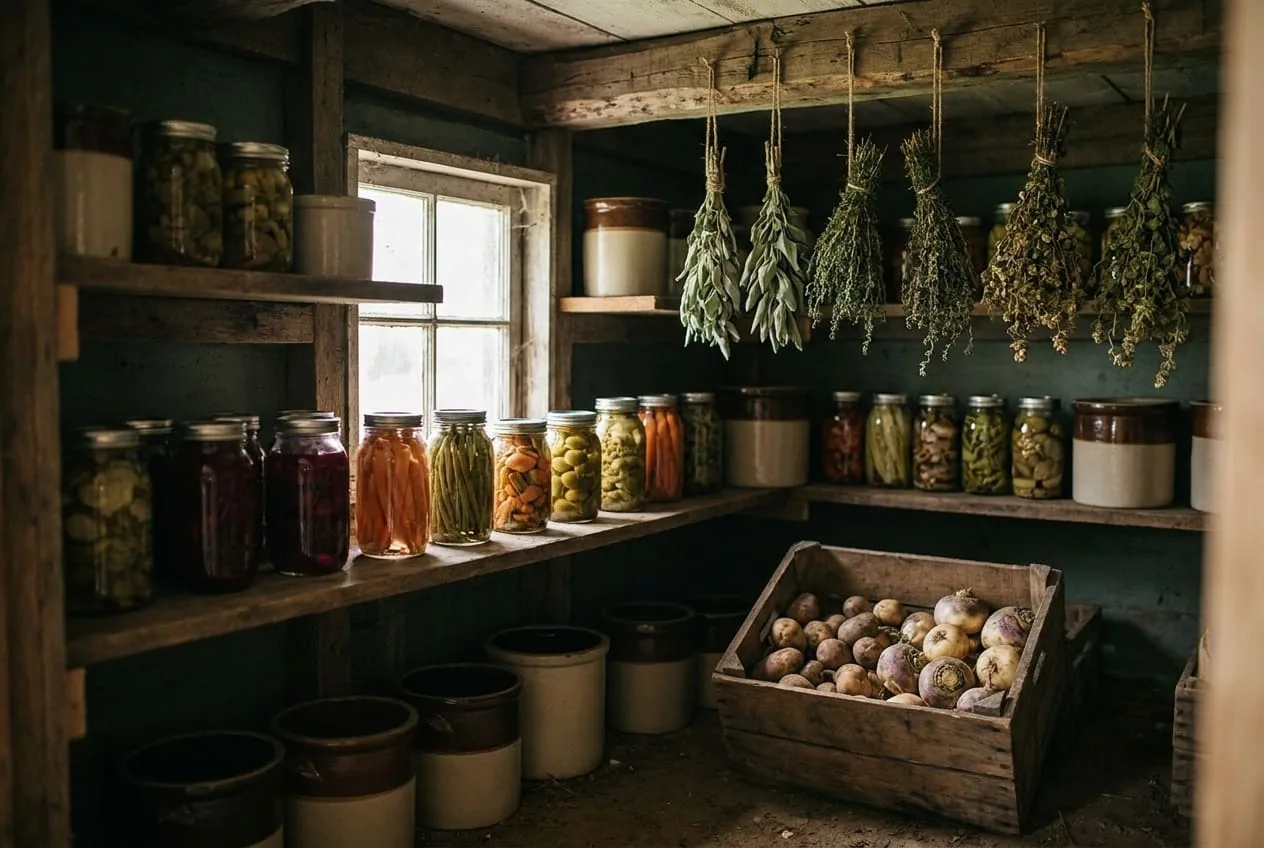
How to organize a root cellar for winter — the two storage zones, airflow, shelf layout, crate placement, and monitoring so your harvest keeps until spring.
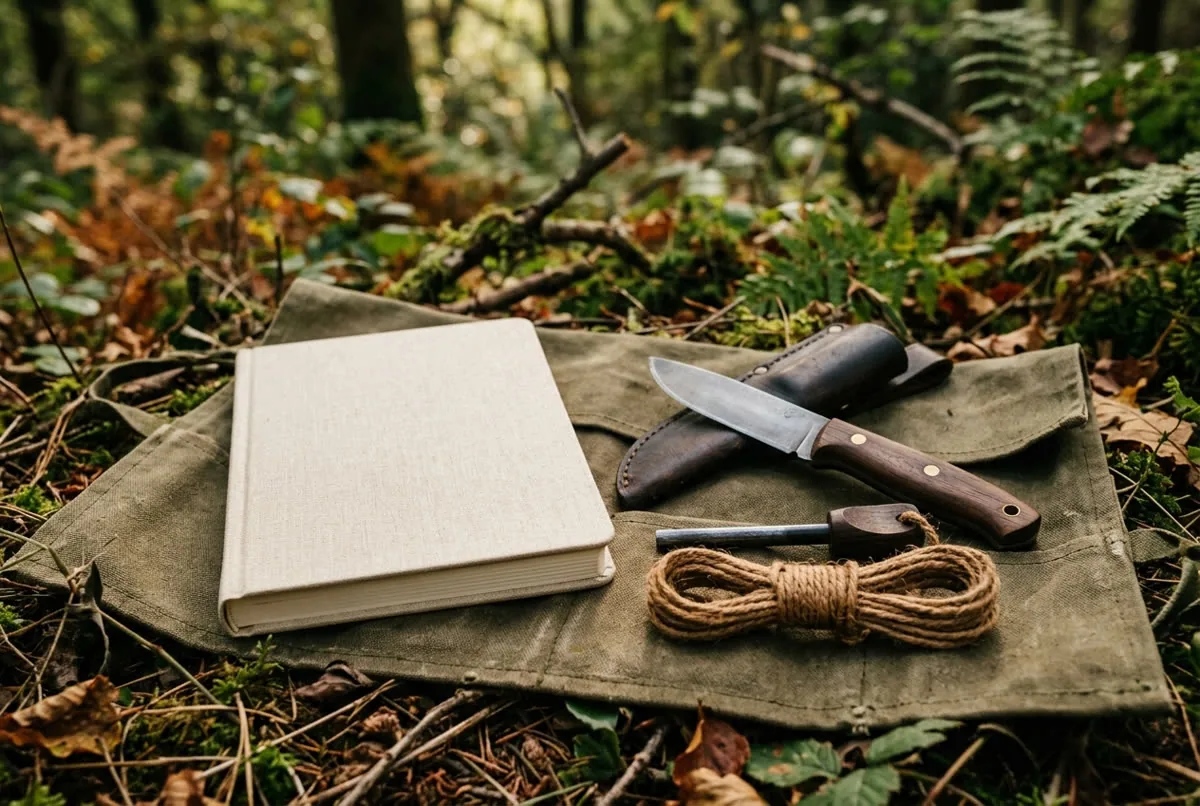
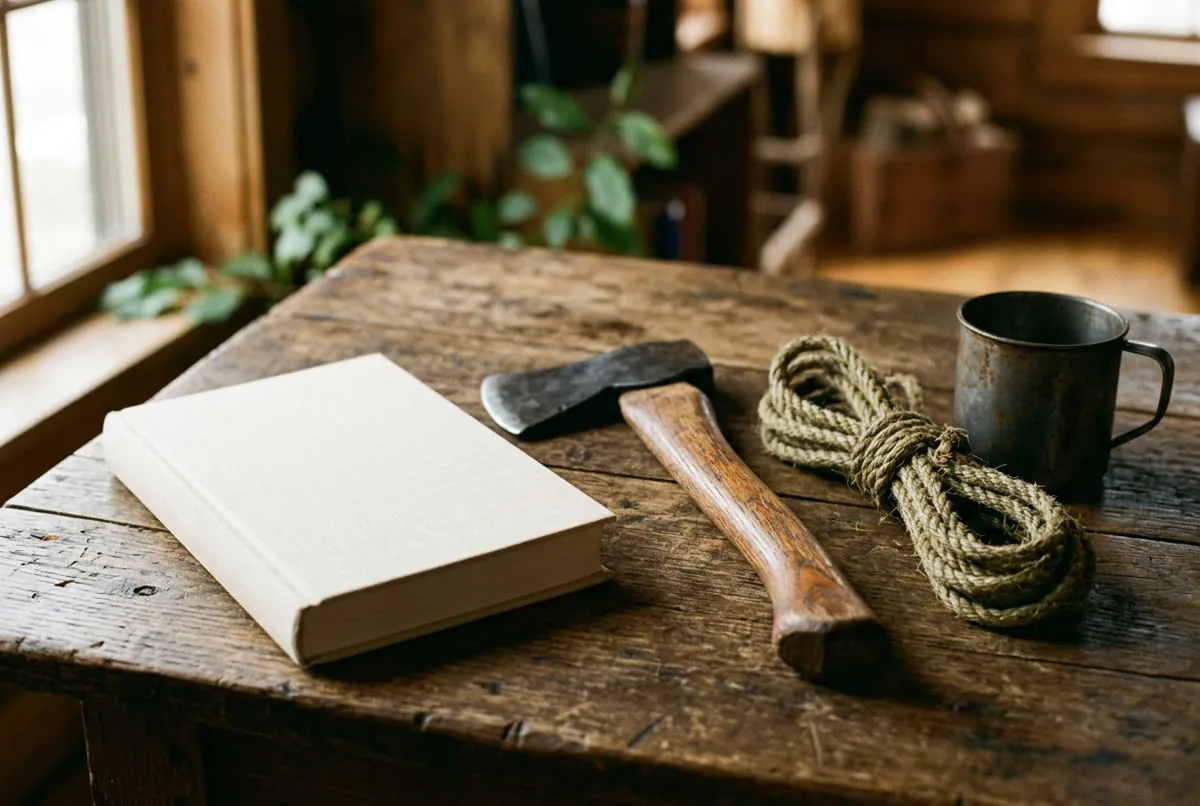
A book teaches concepts and sequencing; a kit teaches skill through repetition. How the Lost Frontier Handbook and a basic bushcraft kit actually compare.
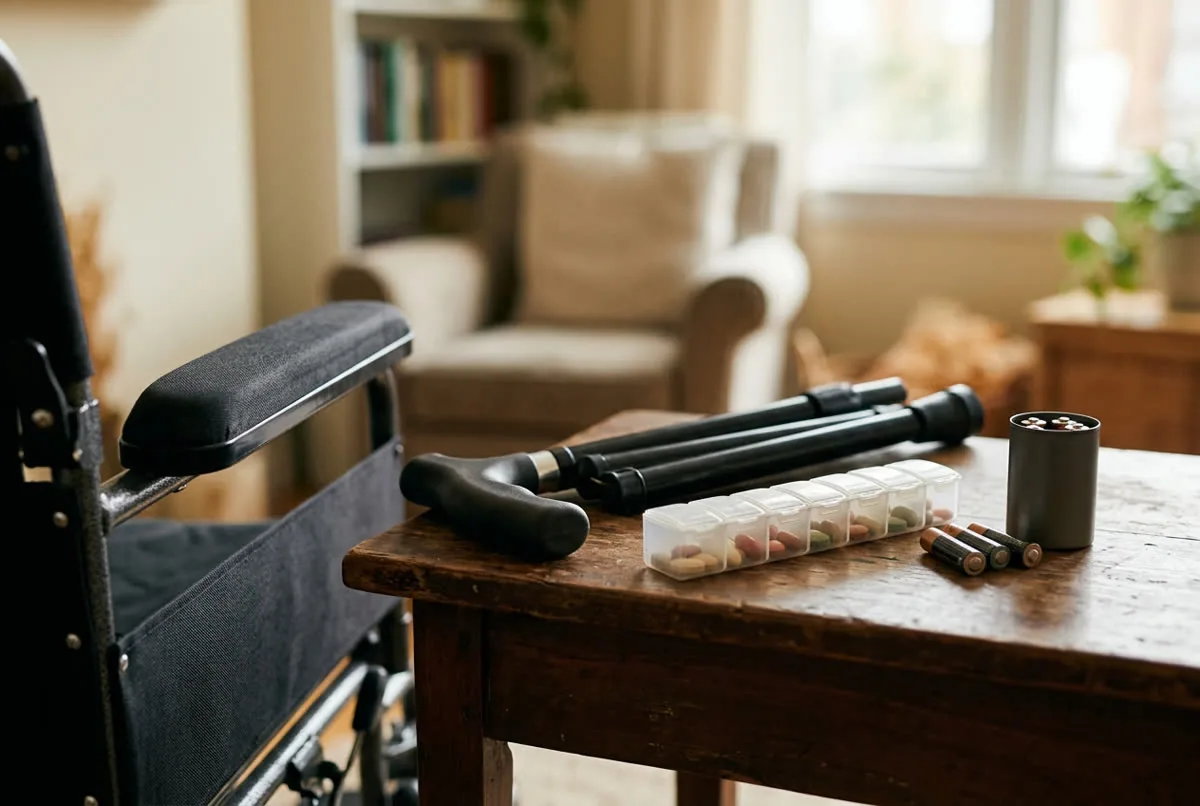
Ready.gov's older-adults flyer adds documents and evacuation planning, but skips device battery runtime and utility priority-restoration steps.
Is 'The Book: Rebuilding a Civilization' a hands-on skills guide or a reference book? What its nine sections cover, and what you can practice this fall.
Which prepping buys are worth grabbing during a fall Amazon sale event, which to skip, and how to spot a fake deal before you click, per BBB guidance.
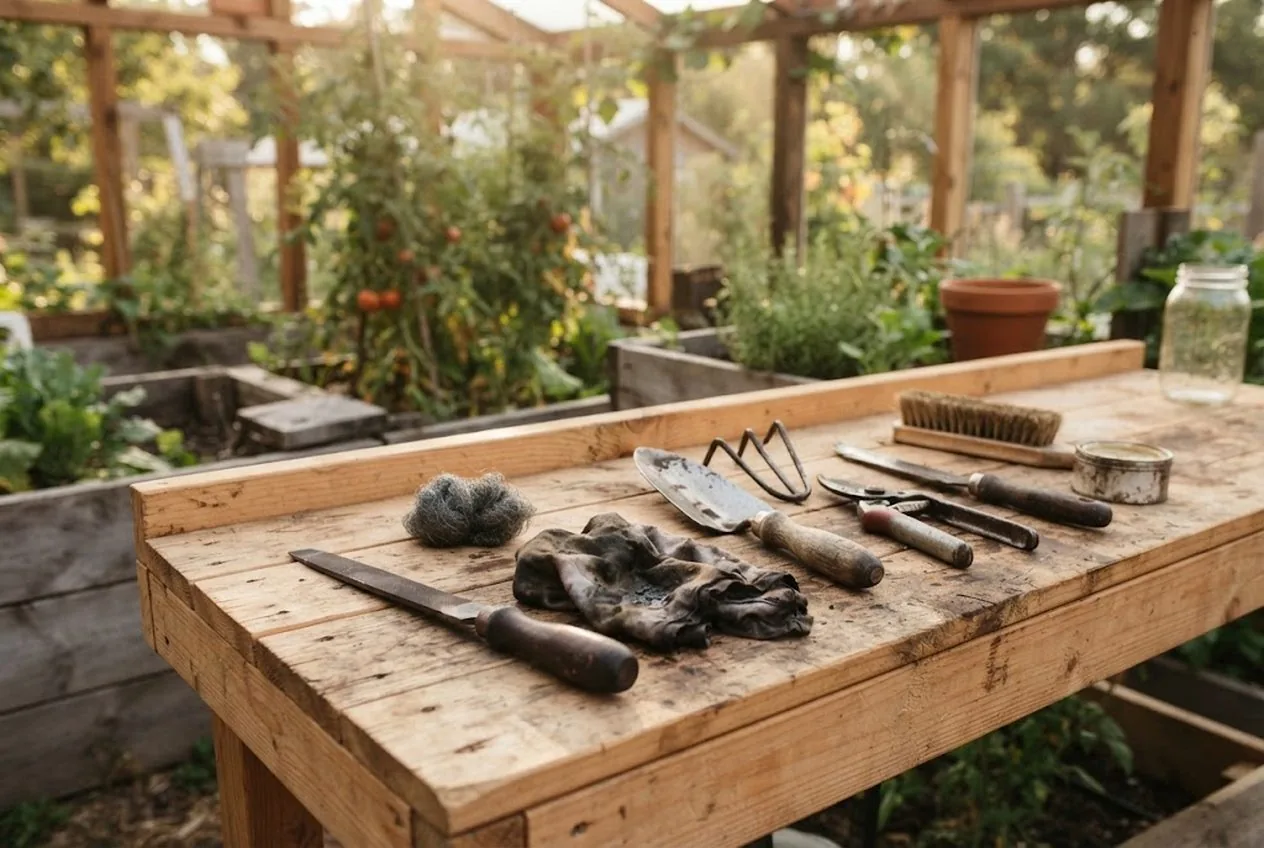
Clean, sharpen and oil your garden tools before winter storage: a routine to strip rust, restore edges, and protect the metal and handles for years.
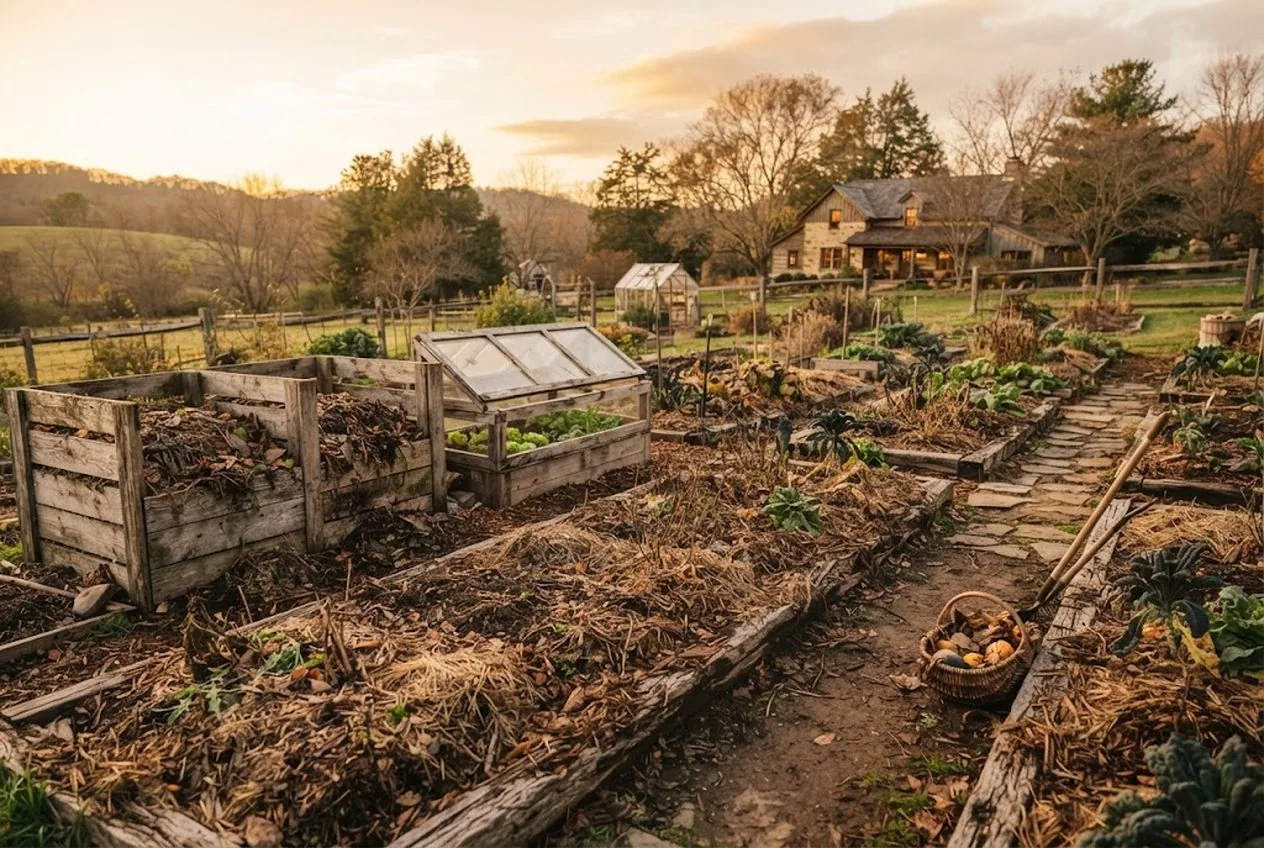
8 fall homestead projects to finish before the ground freezes: soil, compost, season extenders, tool care, and more — a checklist to beat the freeze.
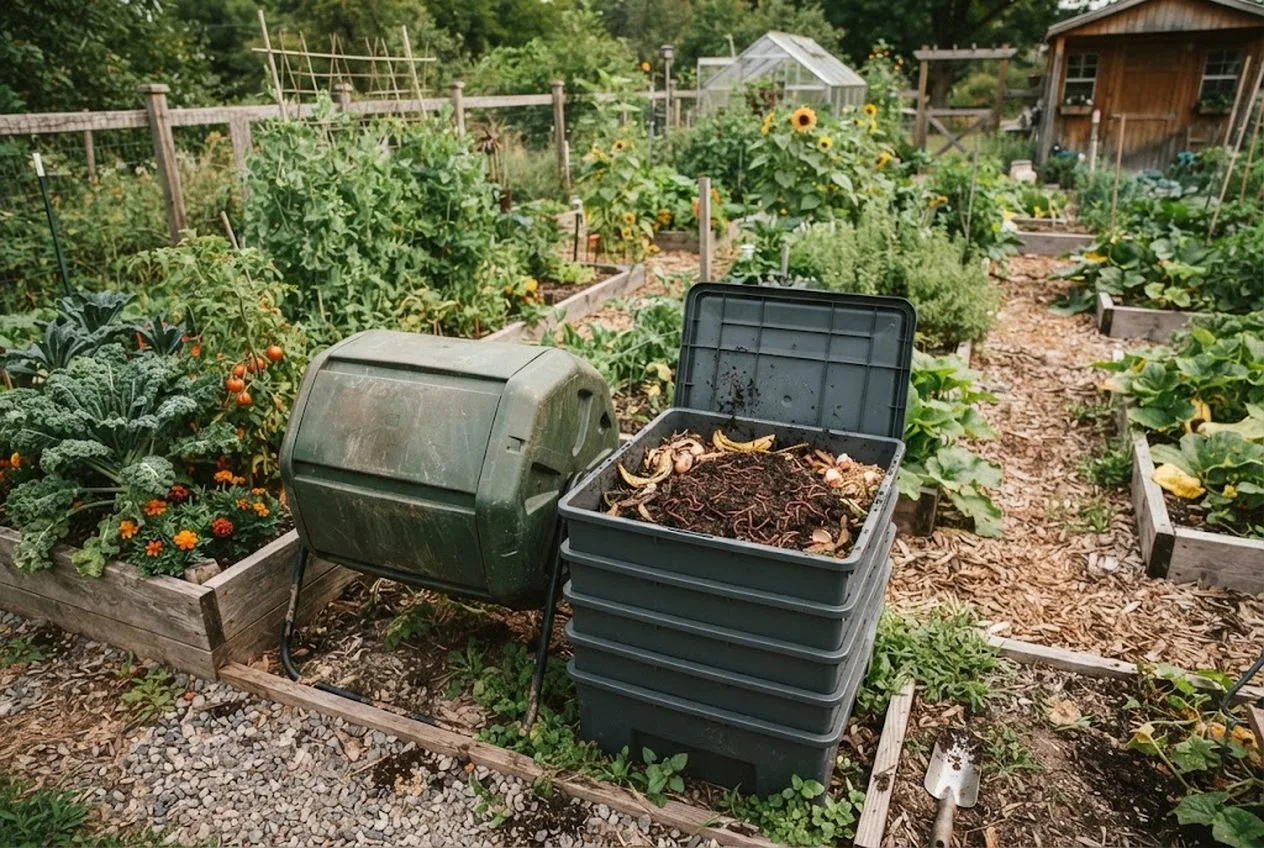
Compost tumbler vs worm factory compared: how fast each makes finished soil, what they cost and hold, which waste suits each, and how to choose one.
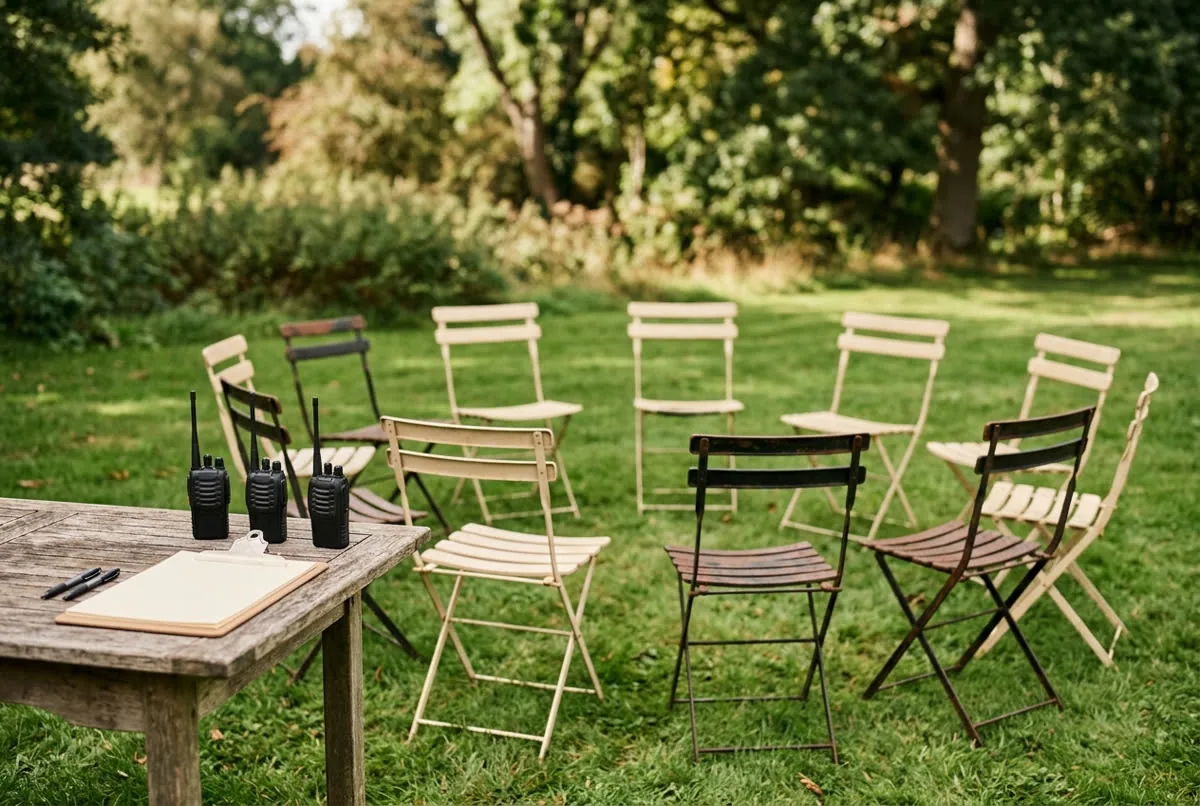
FEMA's CERT program, not a homemade club, is the real on-ramp for organizing neighbors. Here's how the training works and how to bring it up.
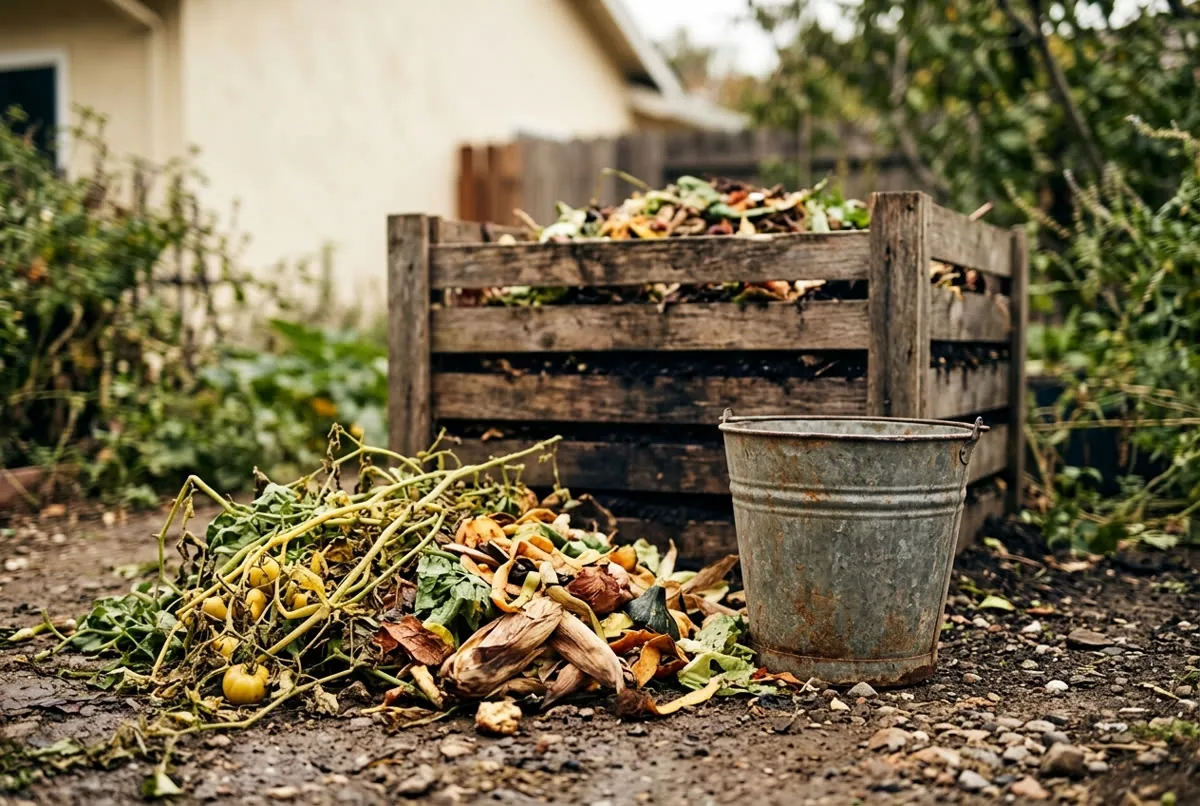
Should end-of-season garden scraps go to compost, the flock, or the trash? EPA and UF/IFAS guidance on what's safe to compost and what's toxic to chickens.
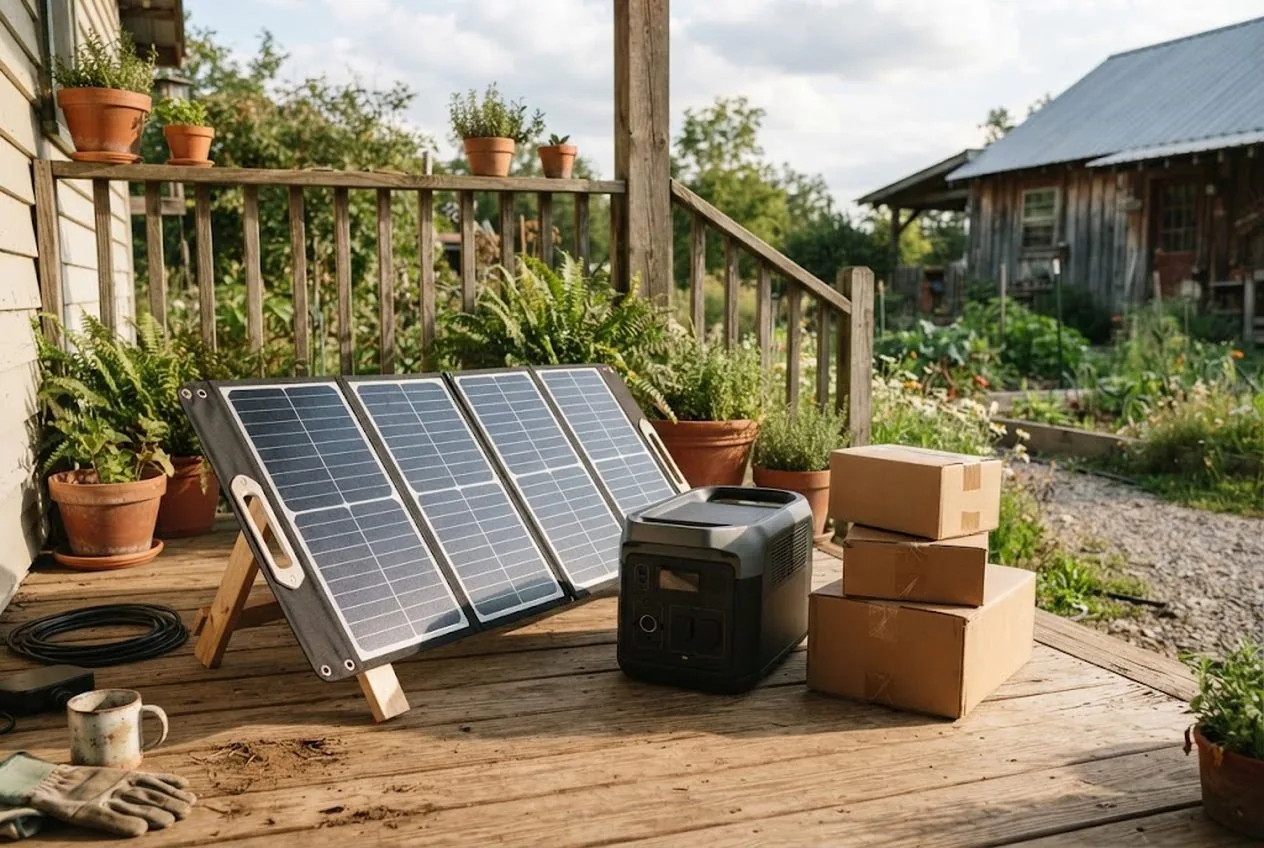
Solar generator deals to watch before Prime Big Deal Days 2026: which sizes are worth it, what discounts to expect, and what to skip.
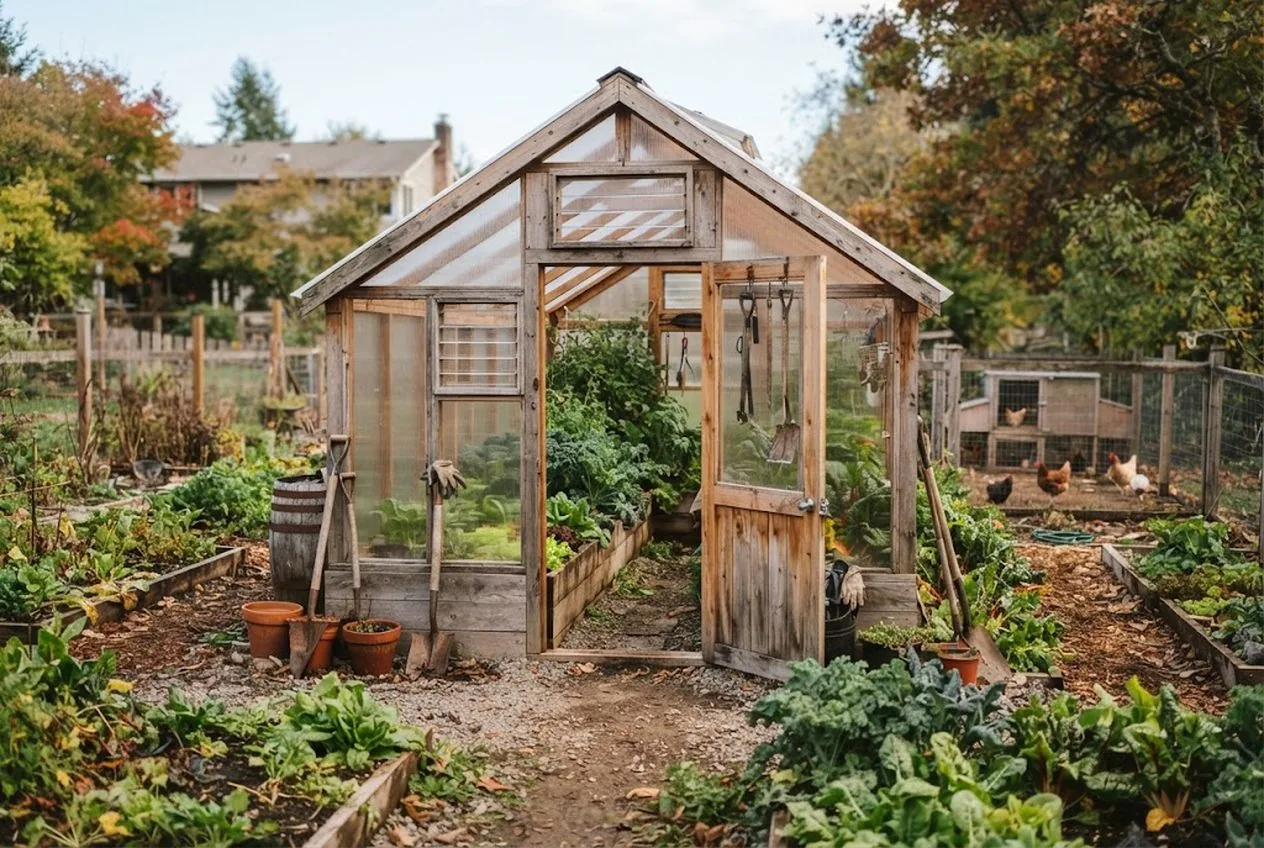
Build a backyard greenhouse from twin-wall polycarbonate panels: size it, frame it, glaze it, and vent it for a structure that grows through fall and winter.
FEMA's official checklist has 11 recommended core items, not vibes. Run this 10-point self-audit on your backyard emergency kit before the month is over.
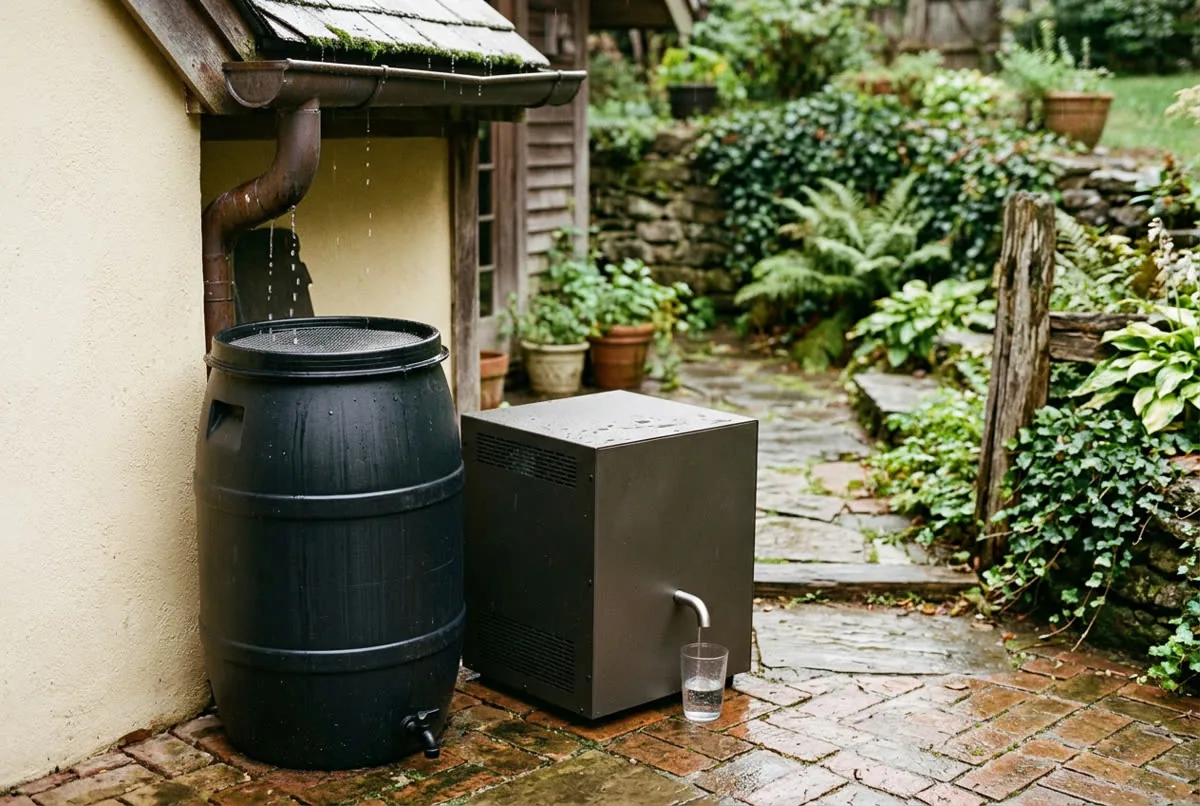
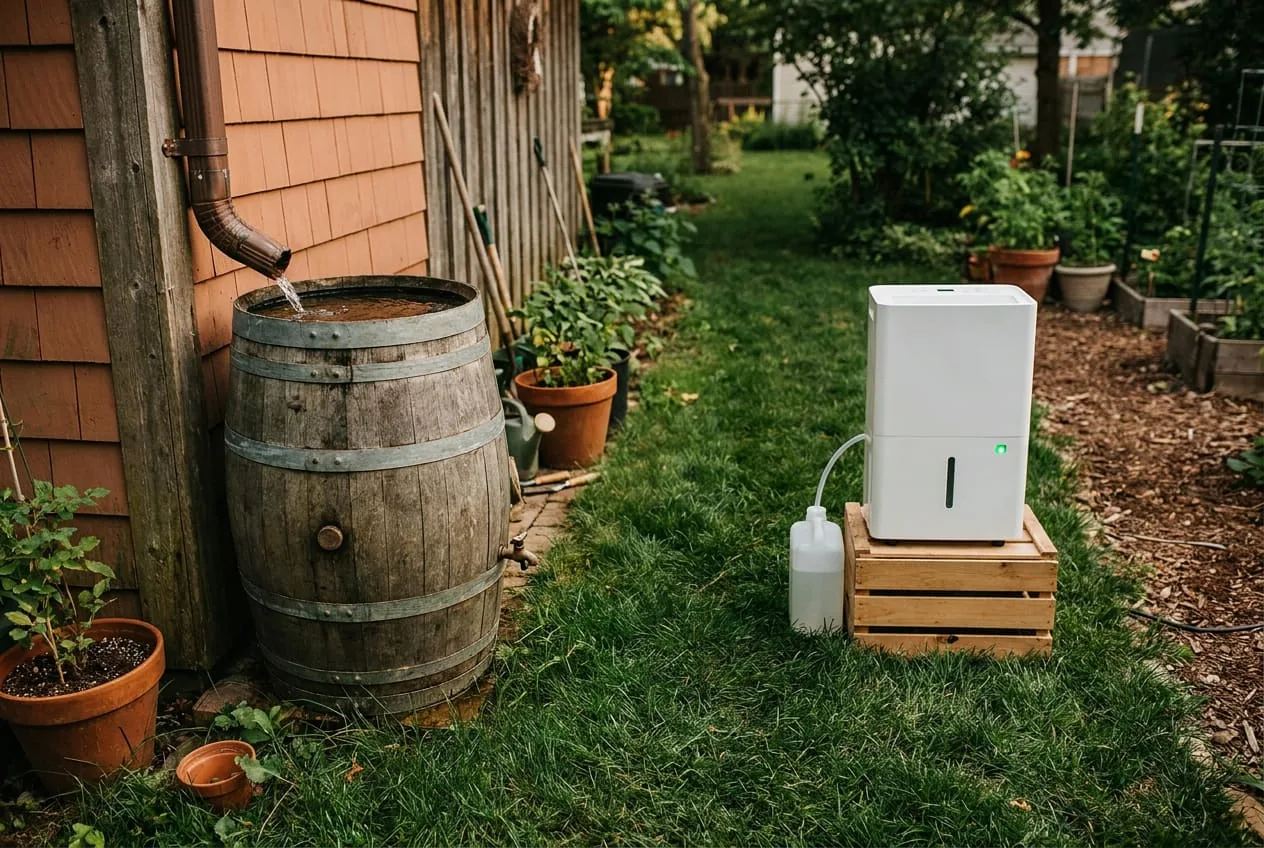
See the real cost per gallon: a DIY rain barrel with no operating cost against an atmospheric water generator guide's ongoing electricity bill.
Quarantine length, visual acclimation, and safe mixing steps for new hens, based on USDA APHIS and Penn State Extension biosecurity guidance.
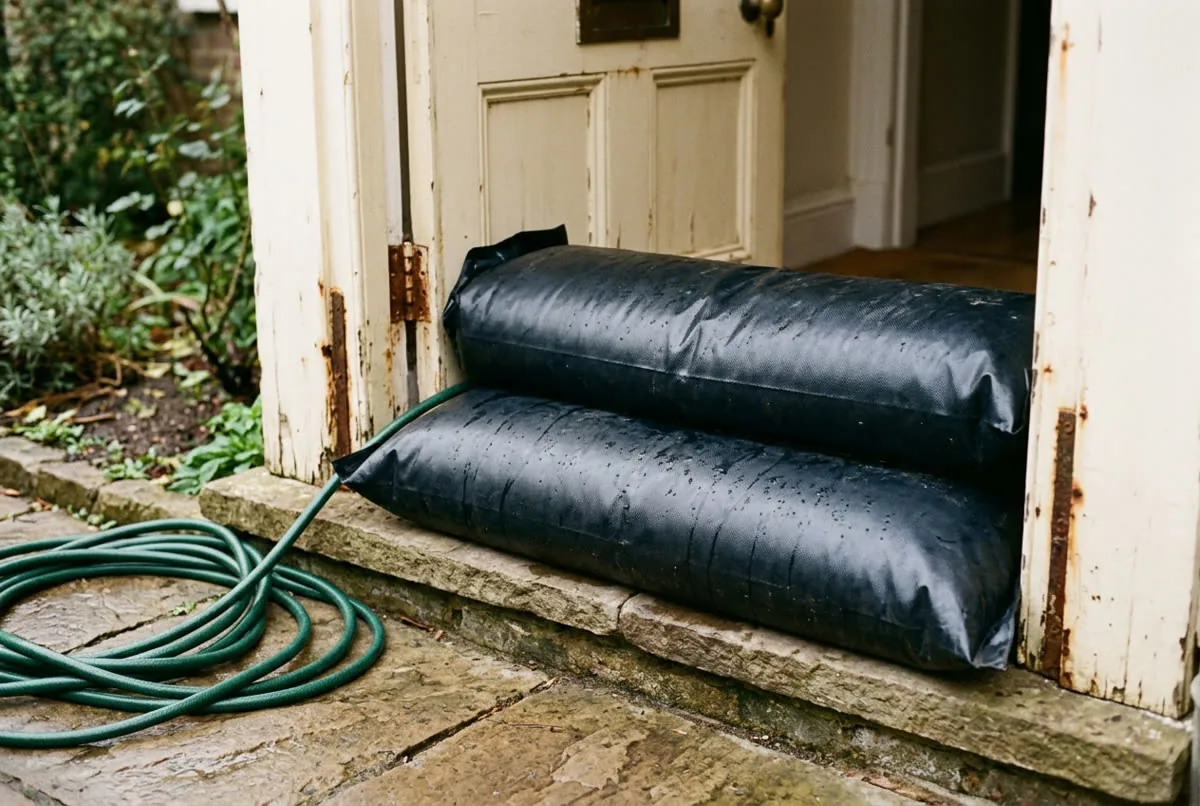
Sandless sandbags vs. USACE-spec sandbags: setup time, performance limits, and the FEMA-approval claim, checked against official flood-fighting guidance.
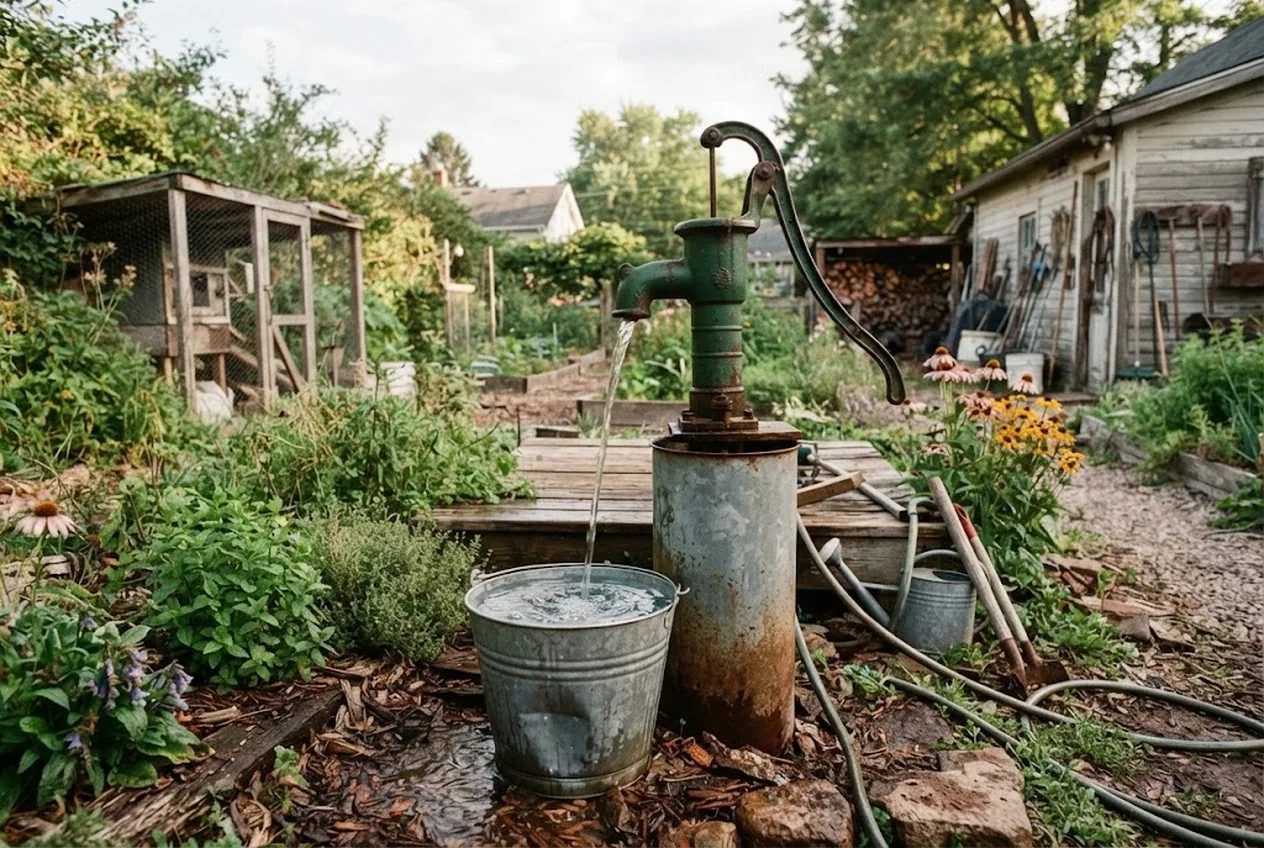
How to pump well water by hand when the grid goes down: types of manual well pumps, sizing to your well depth, install steps, and getting water without power.
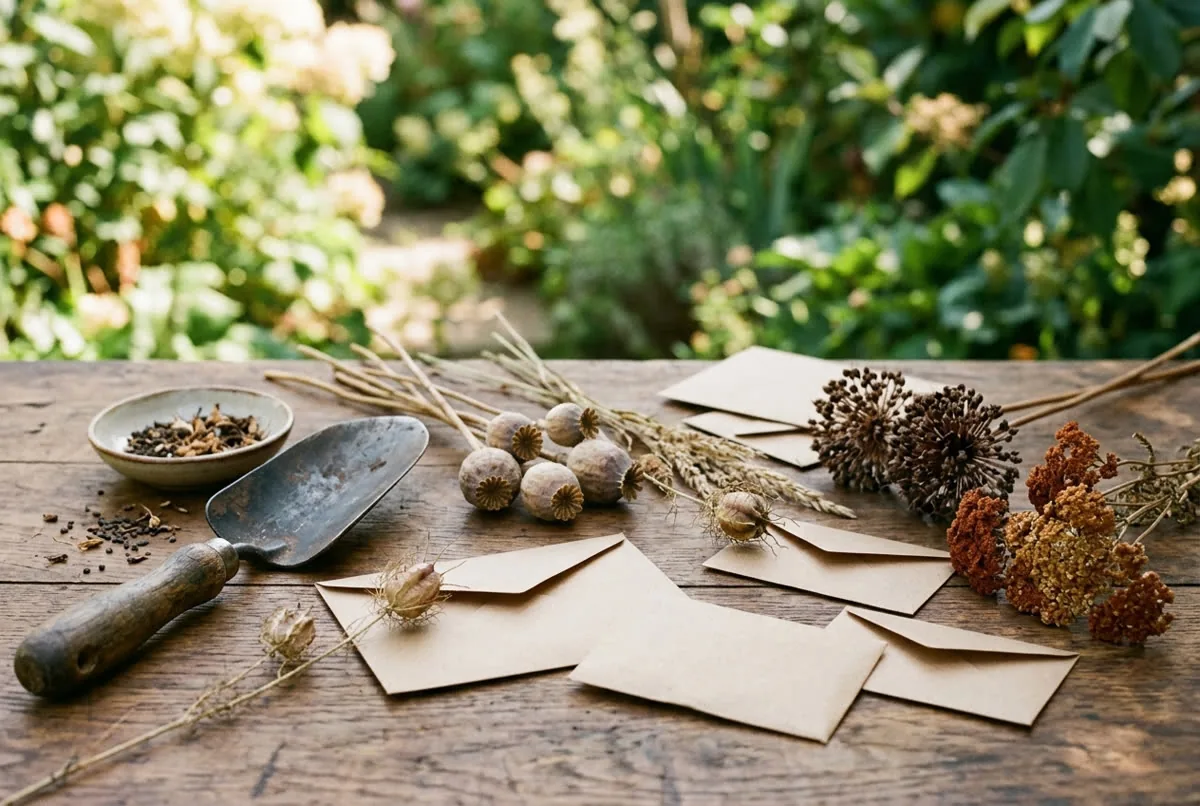
Not every seed from a fall garden is worth saving. Here is how to tell which crops grow true from saved seed next year, and which won't.
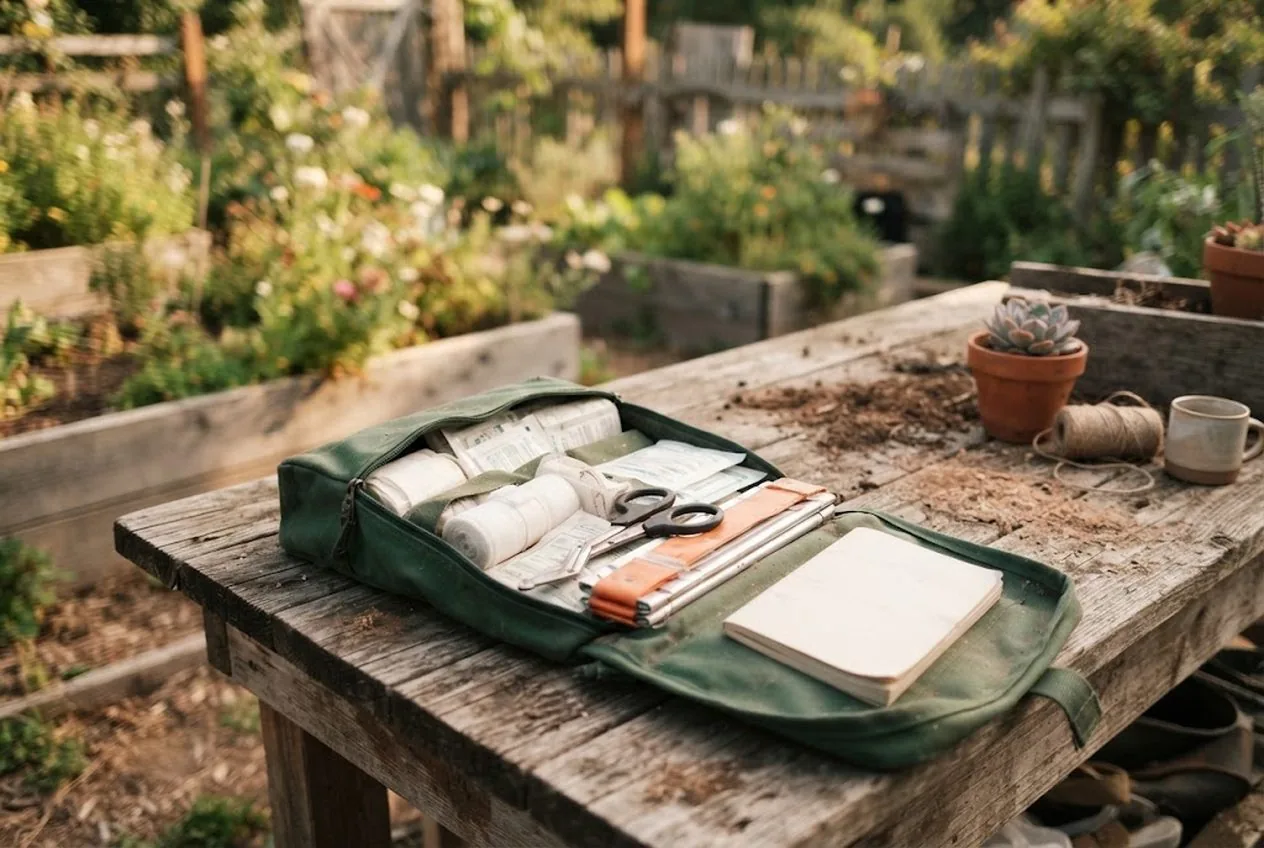
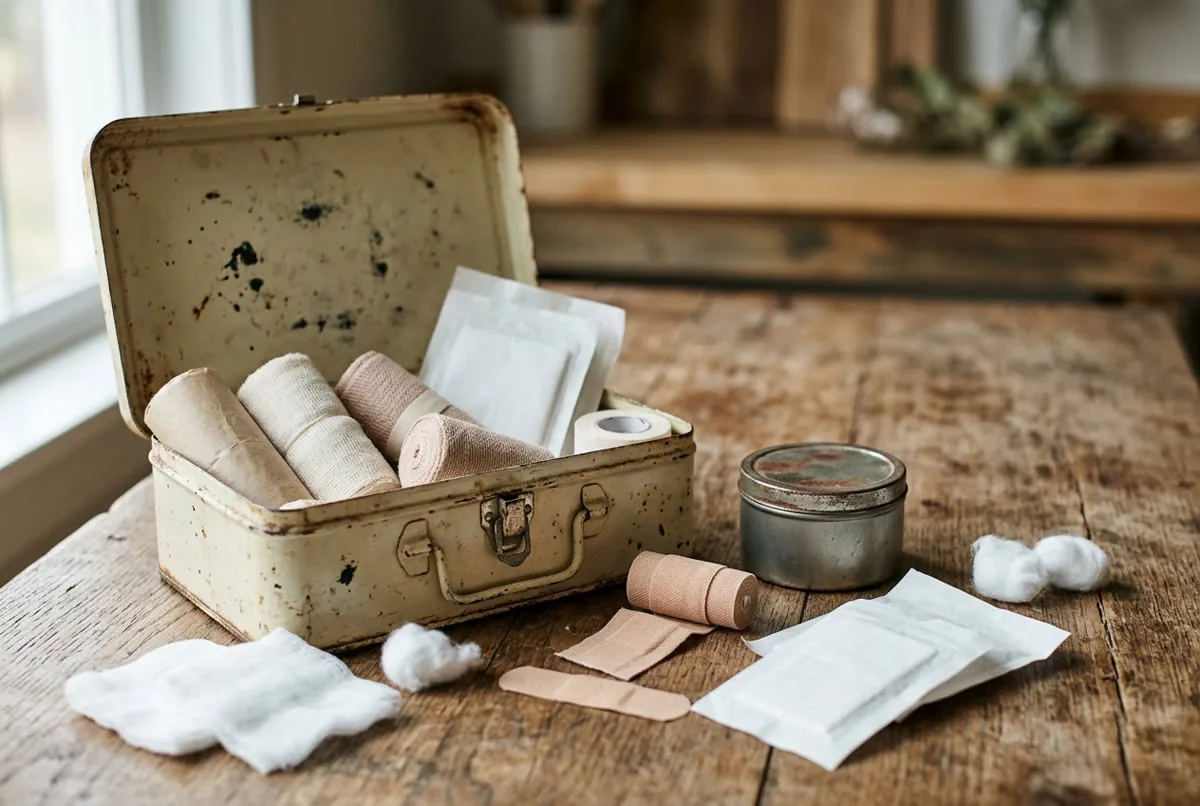
10 first-aid skills every prepper should practice before winter: bleeding control, wound care, hypothermia, CPR and more — the training that outlasts any kit.
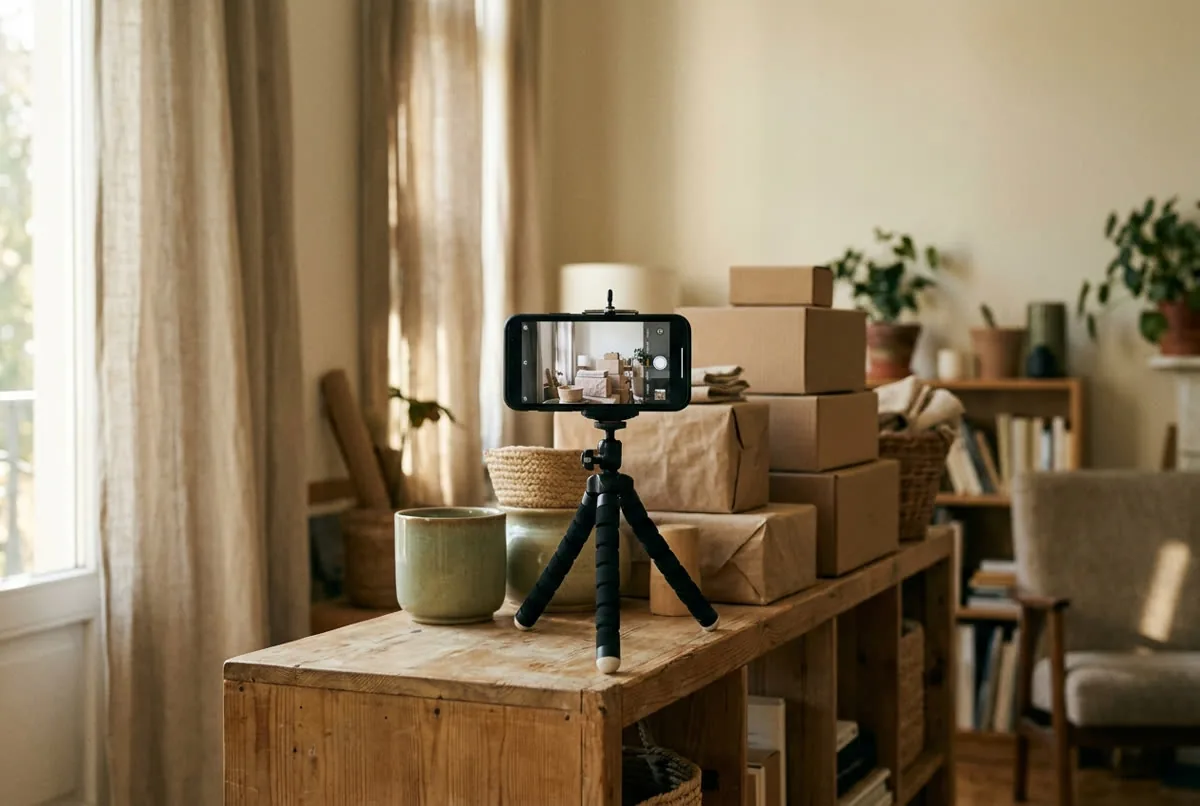
A 20-minute narrated video method to document your home for insurance during the season's mid-August to mid-October peak, using guidance from III and NAIC.
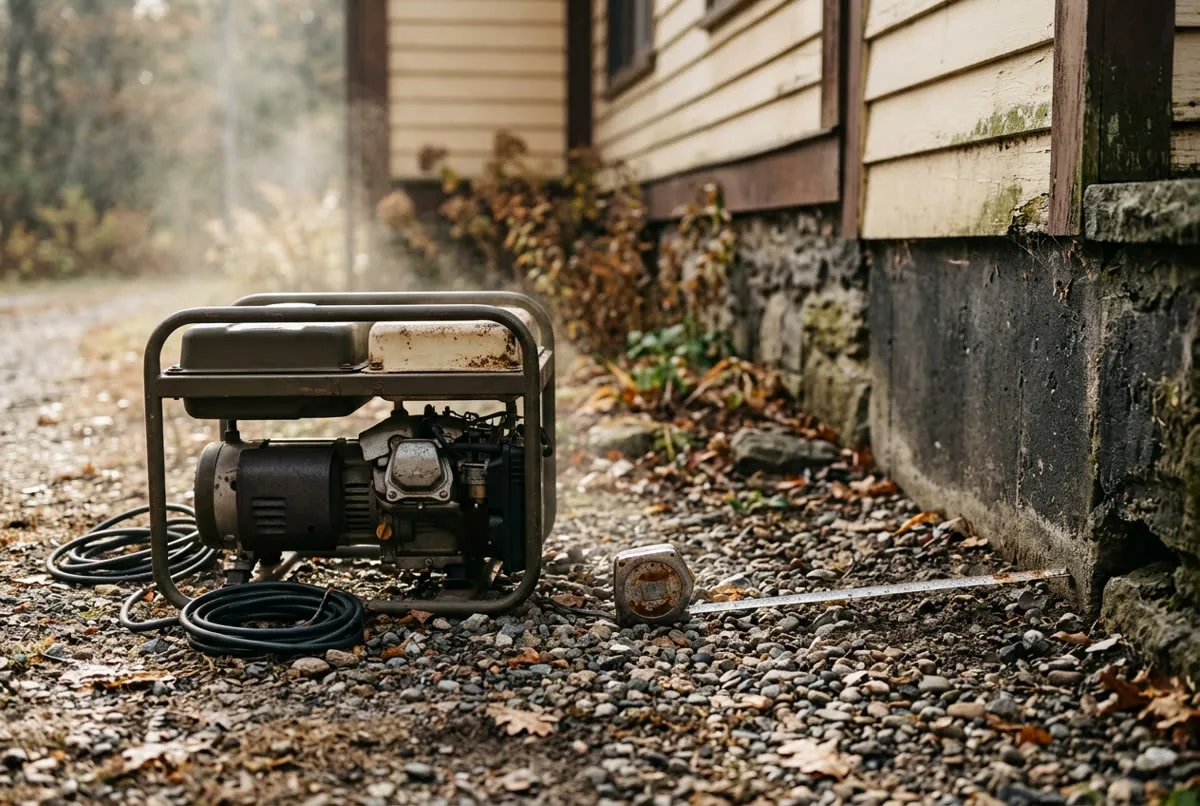
CDC and CPSC generator clearance rules: how far from your house, why an open garage door isn't safe, and how fast CO becomes deadly.
Storey's Country Skills vs The Backyard Homestead: which homesteading reference book earns the shelf? How they differ in scope, depth, and who each one is for.
Physical signs that separate a good layer from a poor one, how to tell molt from a real stop, and when the fall check pays off before winter feed bills hit.
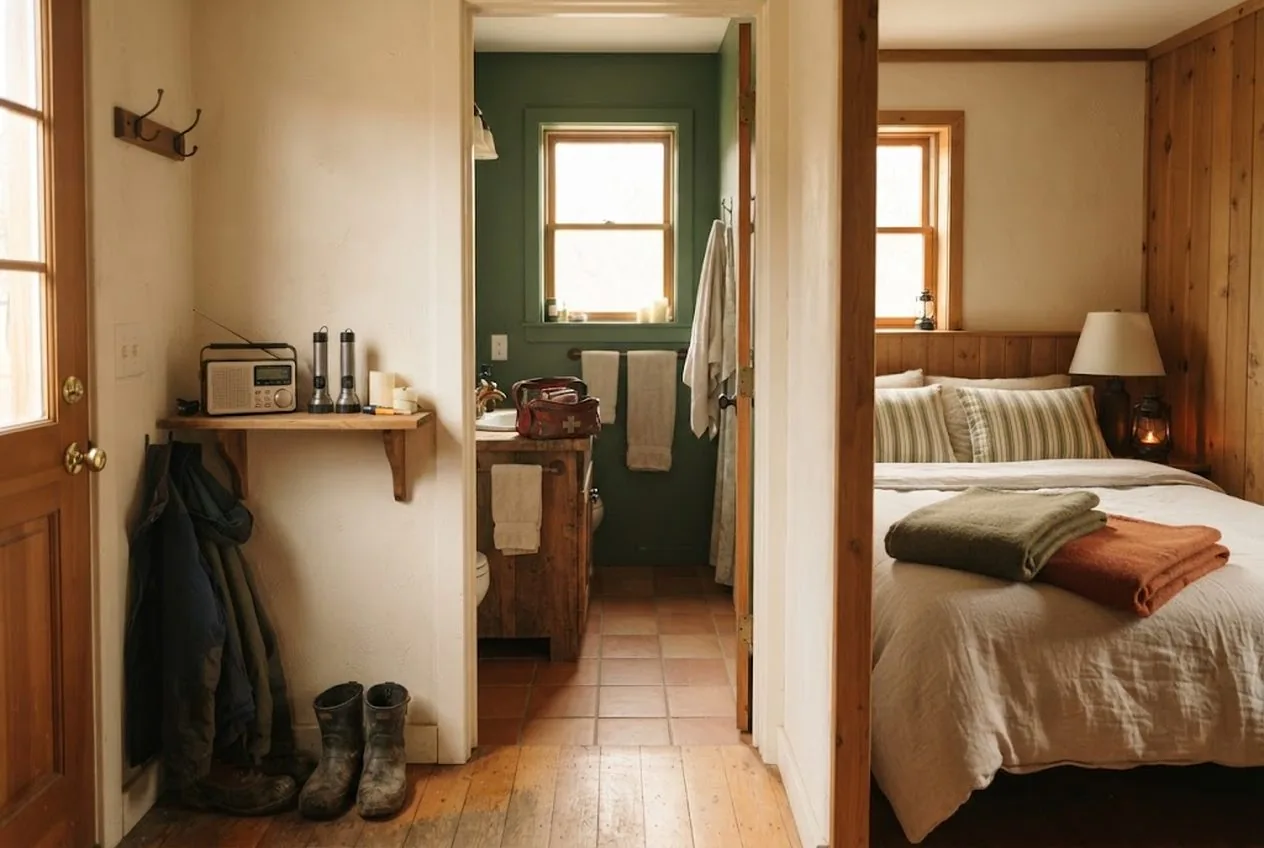
Build a blackout kit room by room: what to stage in the kitchen, bathroom, bedrooms and by the door so an outage stays an inconvenience, not a crisis.
Varroa treatment doesn't have a fall season — it has a deadline set by when your winter bees are raised. Here's how to find yours.
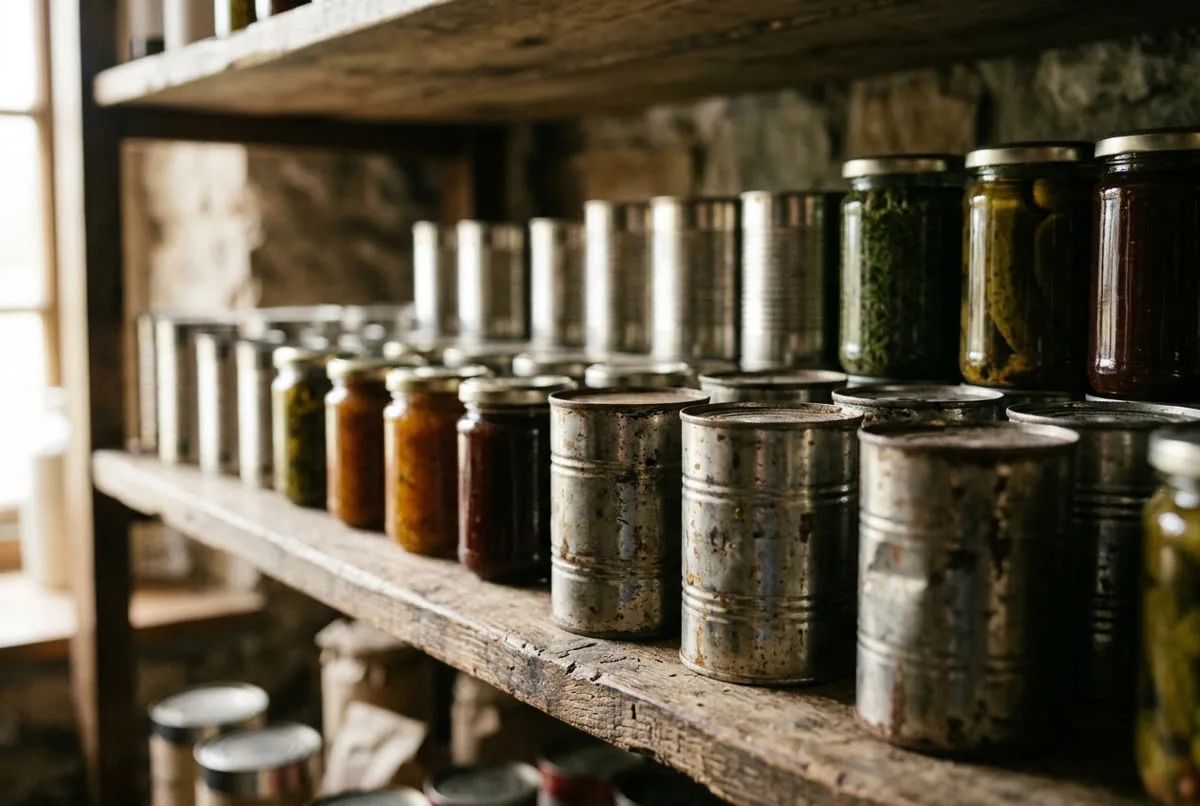
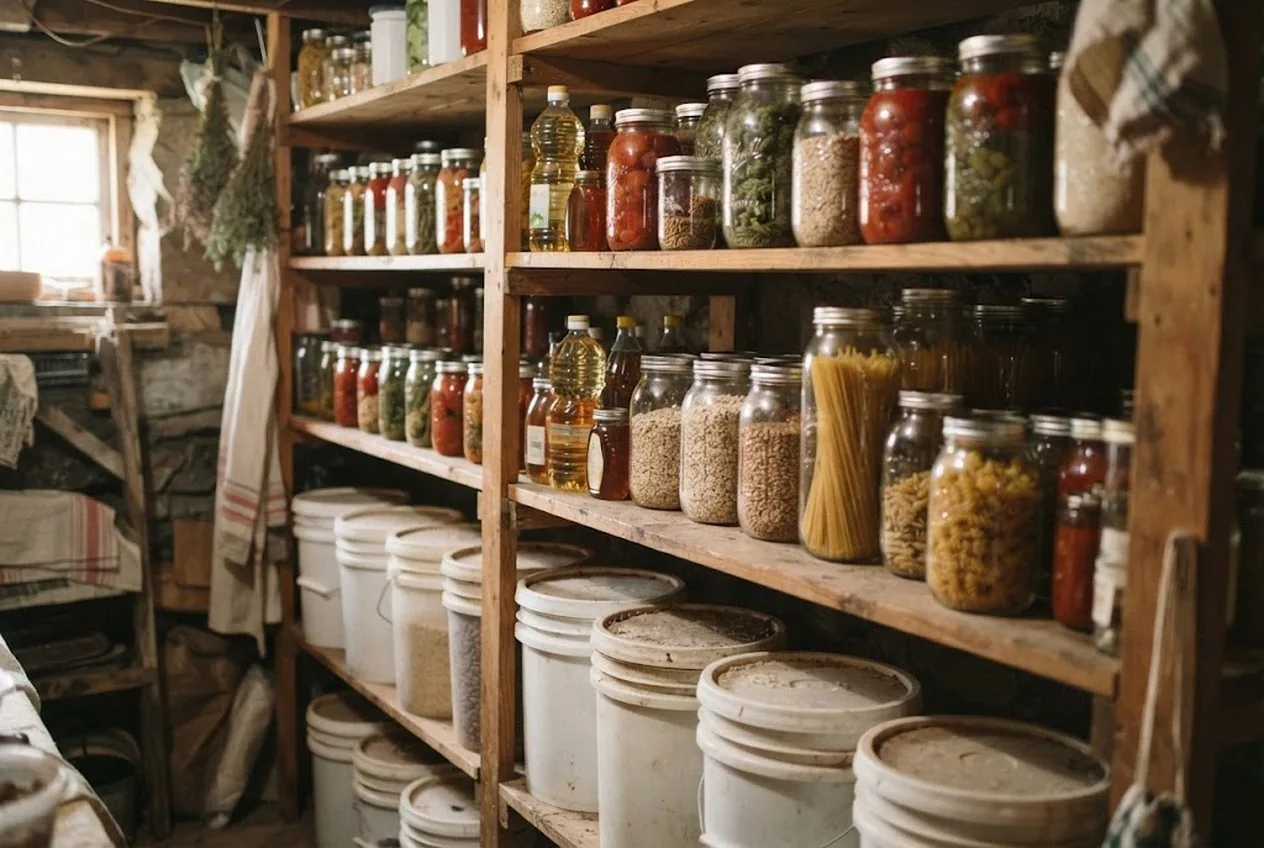
Set up FIFO pantry rotation using USDA's shelf-stable storage chart, so canned goods and dry staples get used before they age past their best quality.
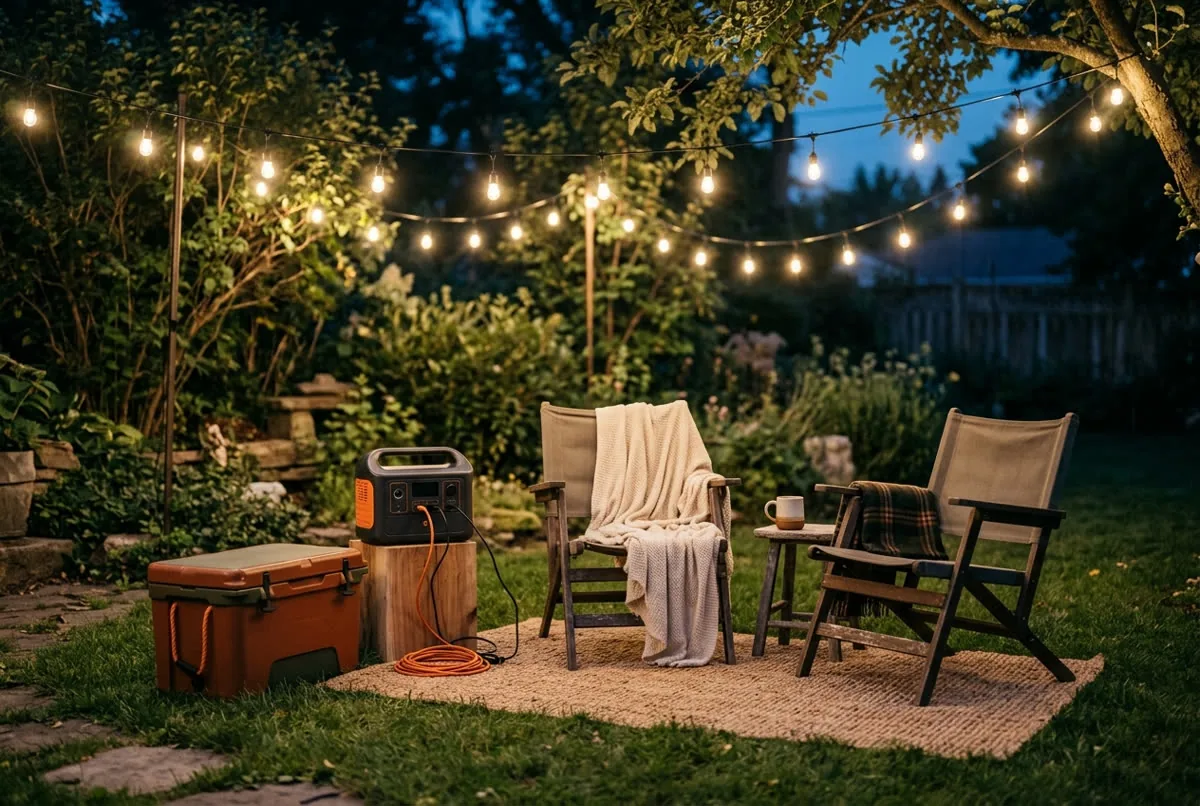
What a 300W power station can and can't run at a backyard watch party or tailgate, and how it compares to a gas generator for safety.
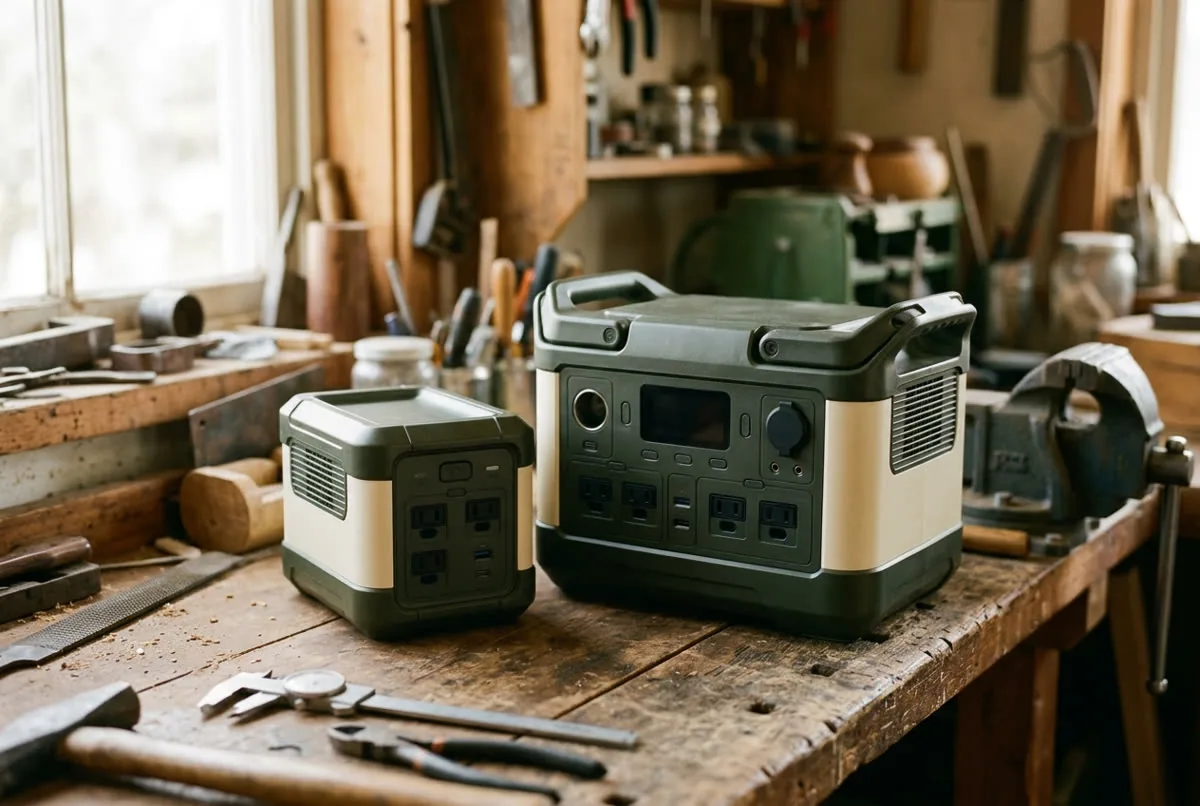
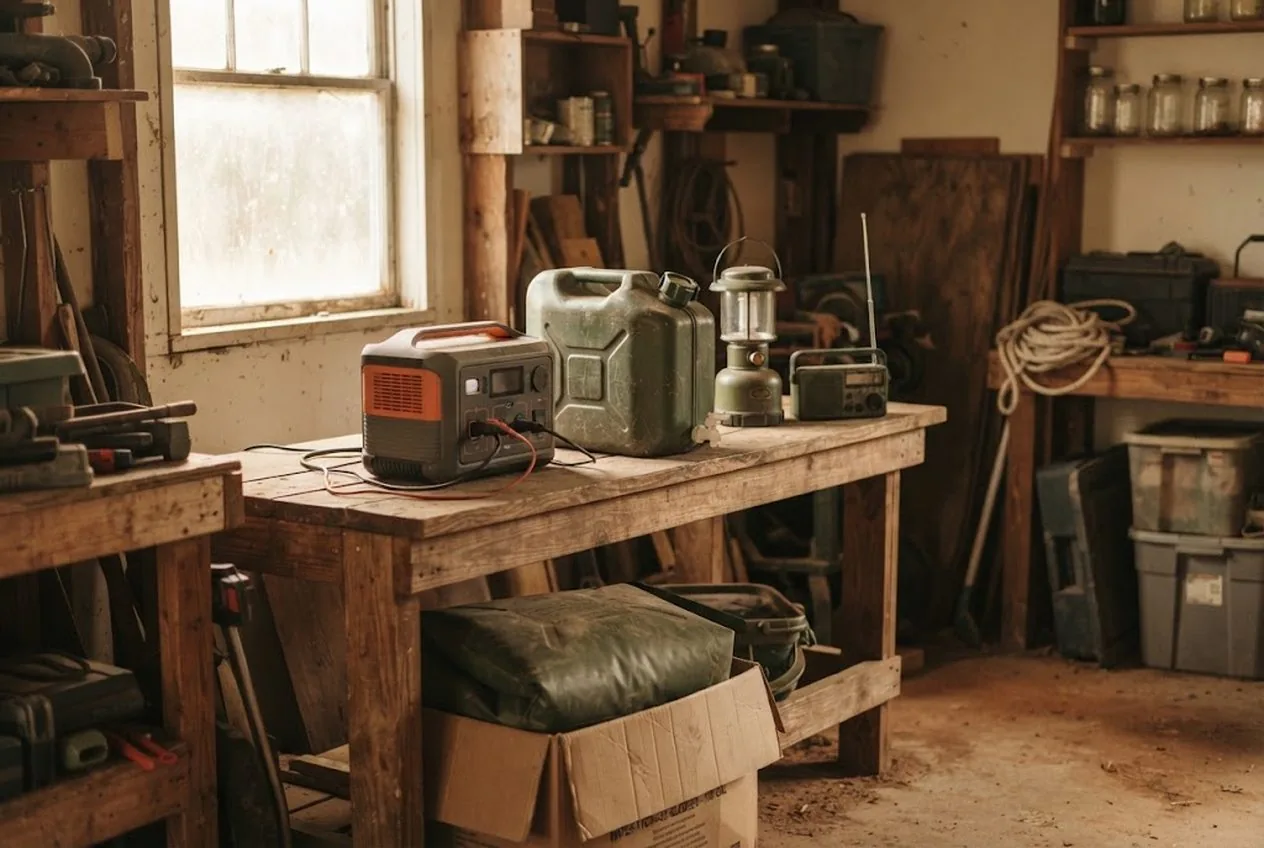
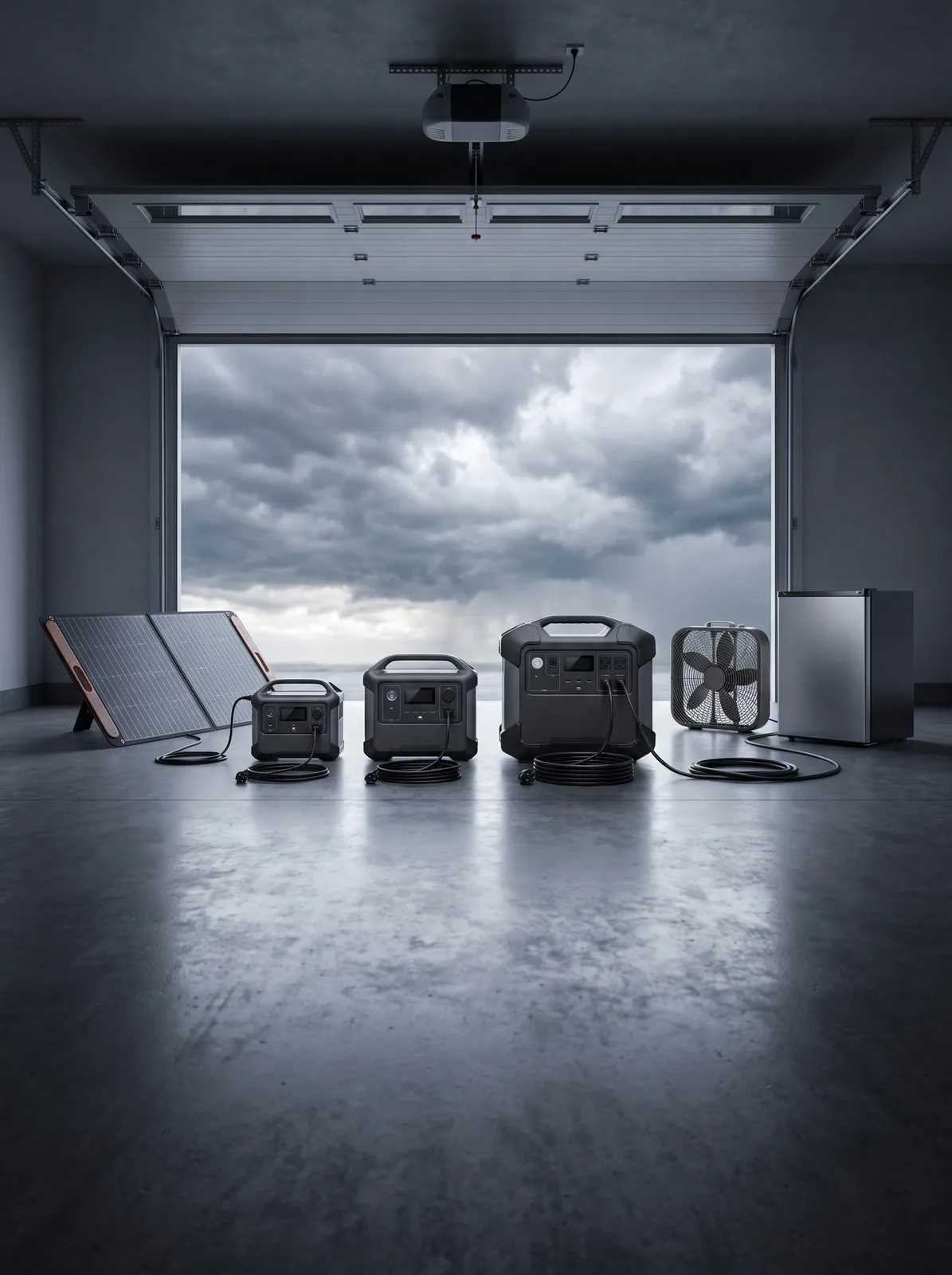
300W and 1000W power stations output very different wattage. See what each can run in your yard or shed, from phones to a fridge, before you buy.
Compare a pre-made kit against the Red Cross minimum-contents list and a build-your-own approach, so you know what you're actually paying for.
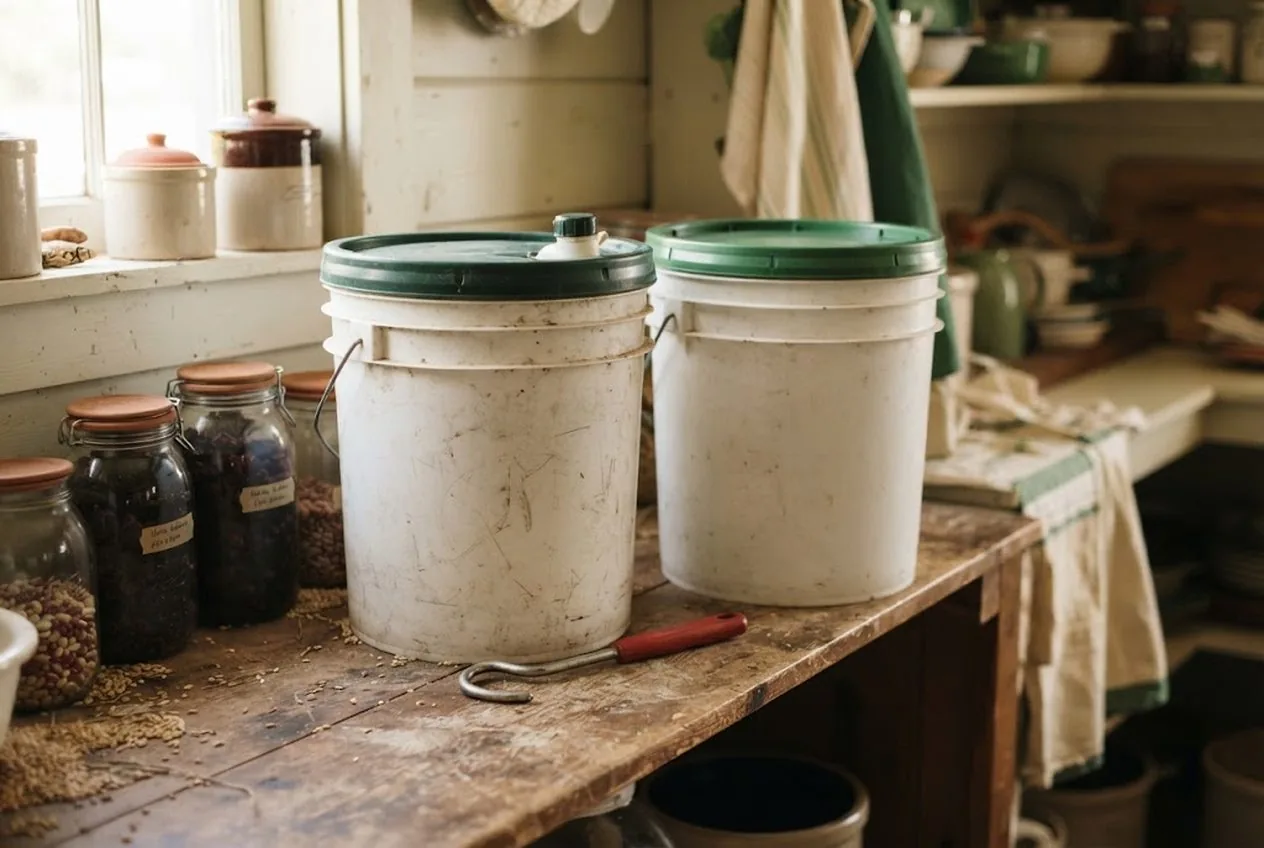
Gamma Seal lids vs standard bucket lids: airtight resealing, ease of access, cost, and which lid to use for deep storage versus everyday staples.
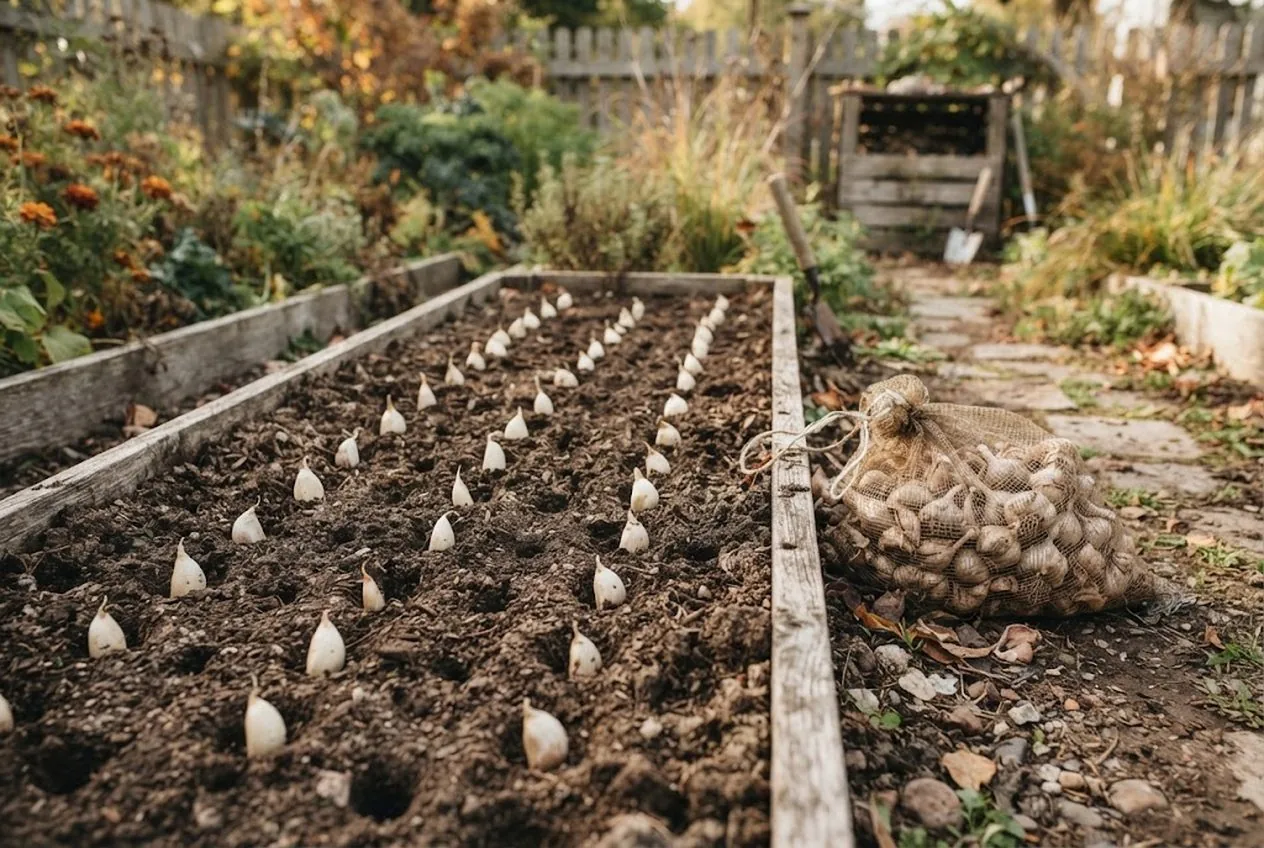
Find your USDA zone's fall garlic planting window, why timing beats variety, and a zone-by-zone calendar to check against your own frost date.
15 foods to stockpile for a one-year pantry: calorie-dense staples, protein, fats, and morale foods that store for years, plus how to store each so it lasts.
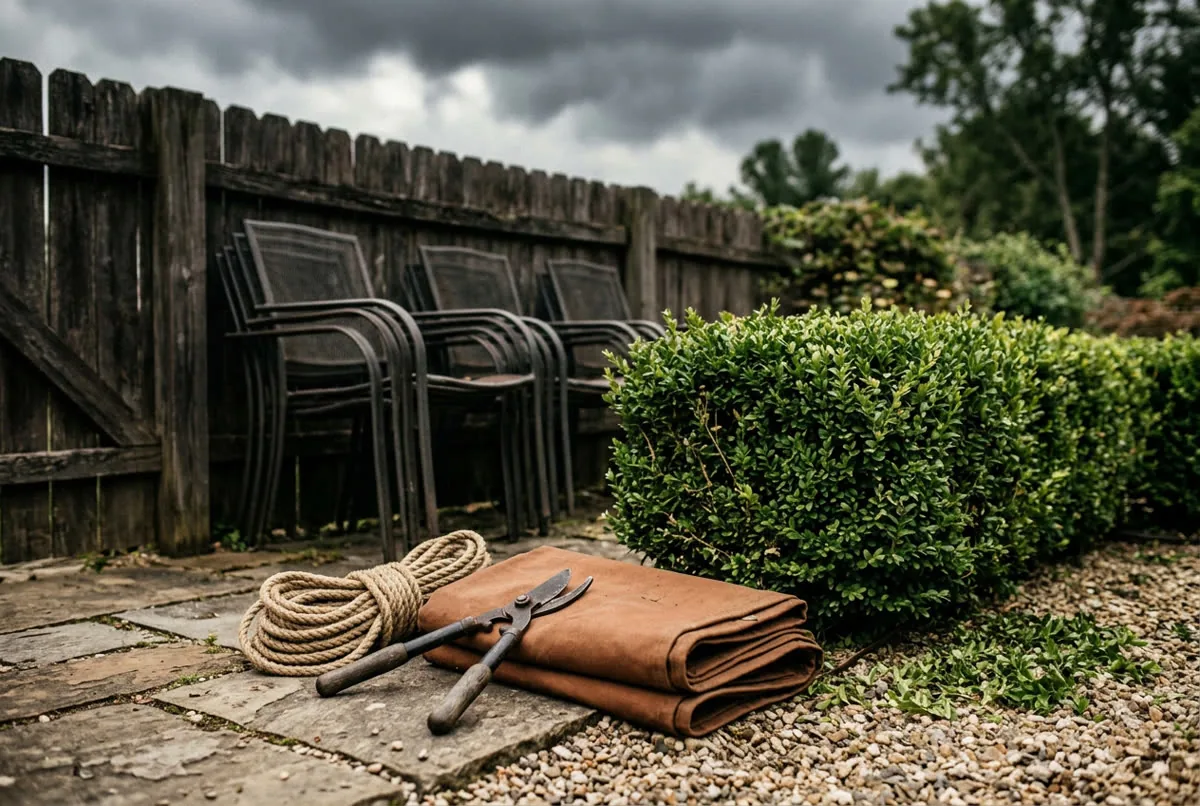
A pre-storm yard checklist: what to trim now, what to tie down or bring inside, and how to spot wind-fall risk trees before a storm hits.
The IRS advises keeping tax records and IDs in waterproof and fireproof containers before hurricane season peaks. Here is what to protect and how.
Neither term is an official FEMA category, but the split still helps. What actually belongs in each kit, sourced from Ready.gov and the Red Cross.
Mylar bags vs vacuum sealing for food storage: the oxygen barrier, real shelf life, cost, and which method to use for decades-long staples versus everyday food.
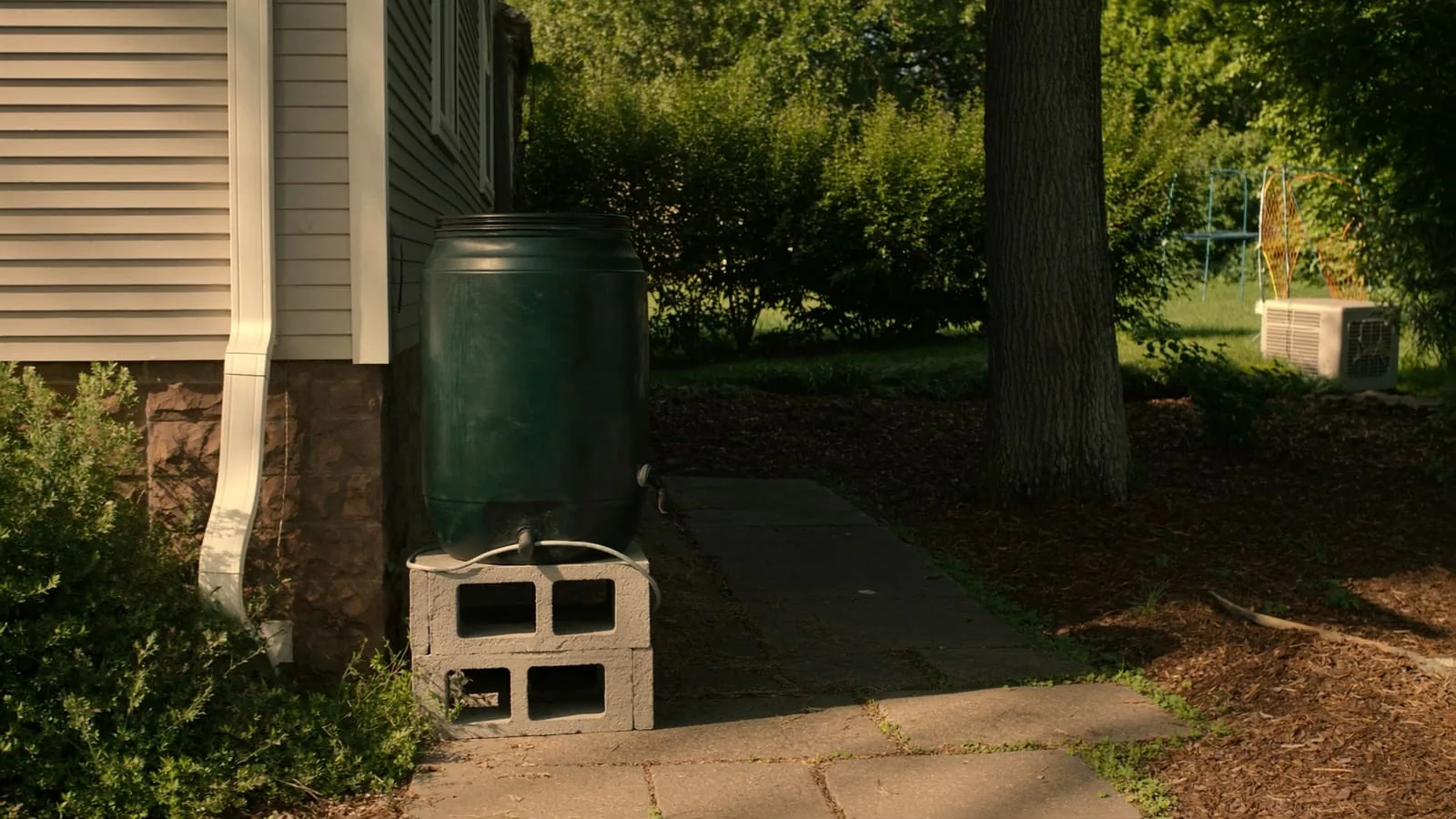
Drain, disconnect, and protect your rain barrel before the first freeze — the steps that keep the barrel and its diverter from cracking over winter.
Solar generators sell out fast once a storm gets a name. The pre-season checklist for testing, charging, and load-planning yours before landfall.
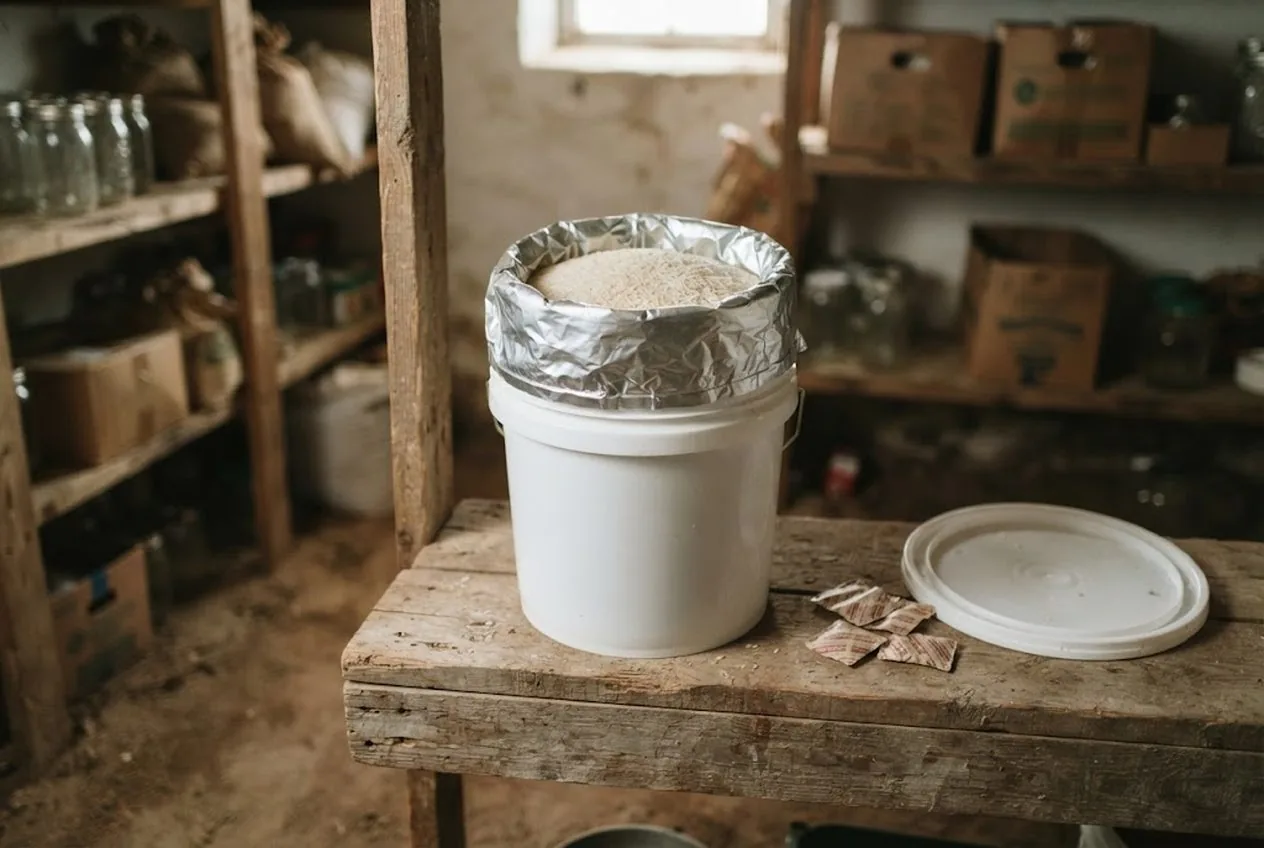
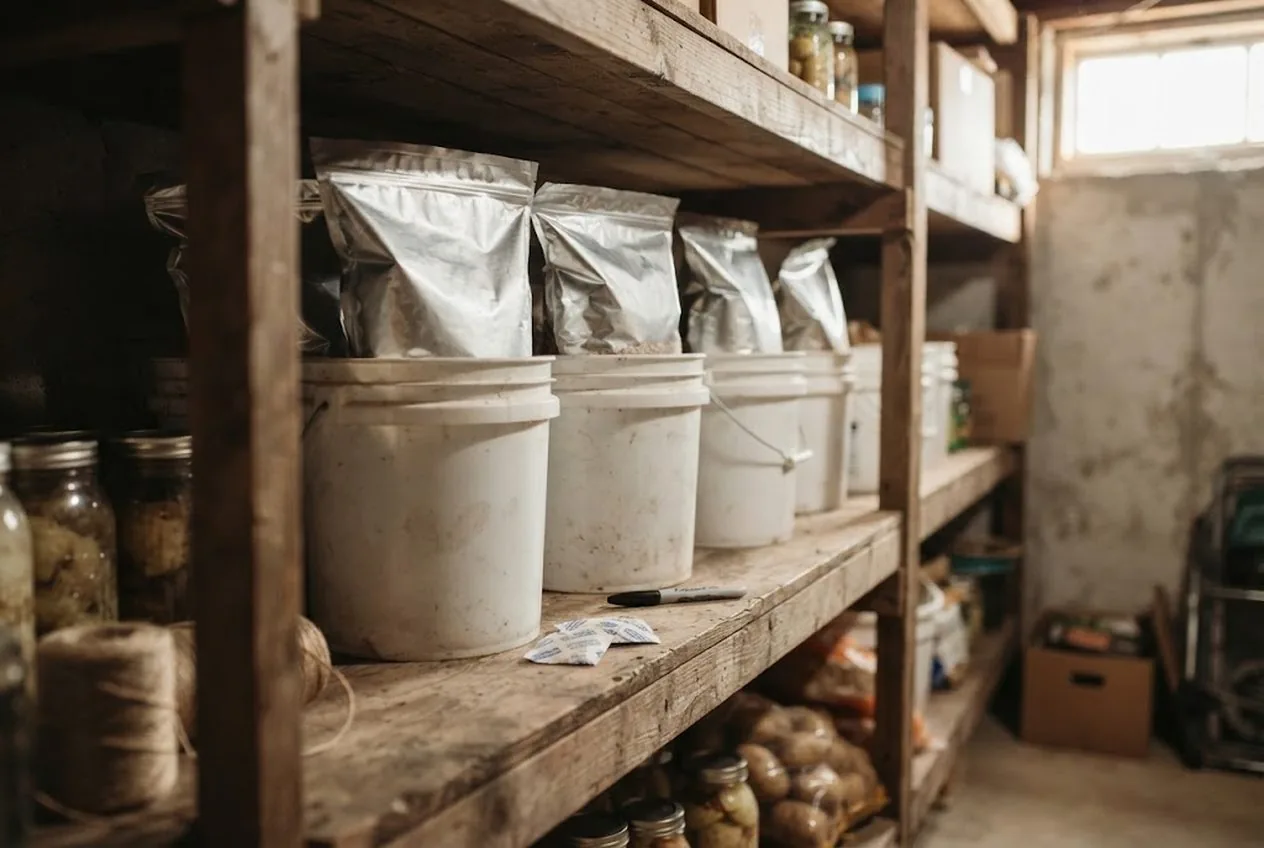
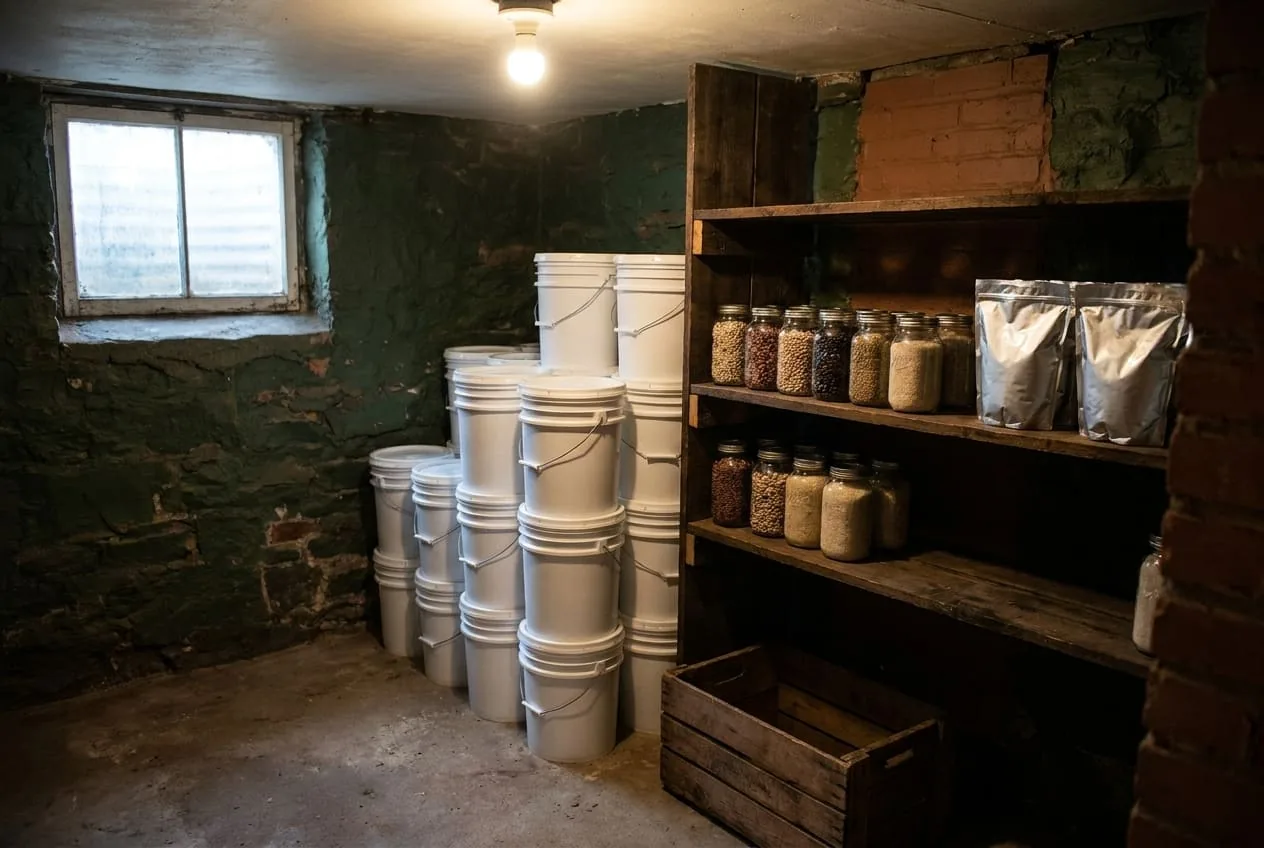
How to pack a 5-gallon bucket for 25-year food storage: food-grade buckets, a Mylar liner, correctly sized oxygen absorbers, sealing, labeling, and storage.
FEMA's free one-page family emergency communication plan: what to fill in, why an out-of-town contact matters, and where to get the printable card.
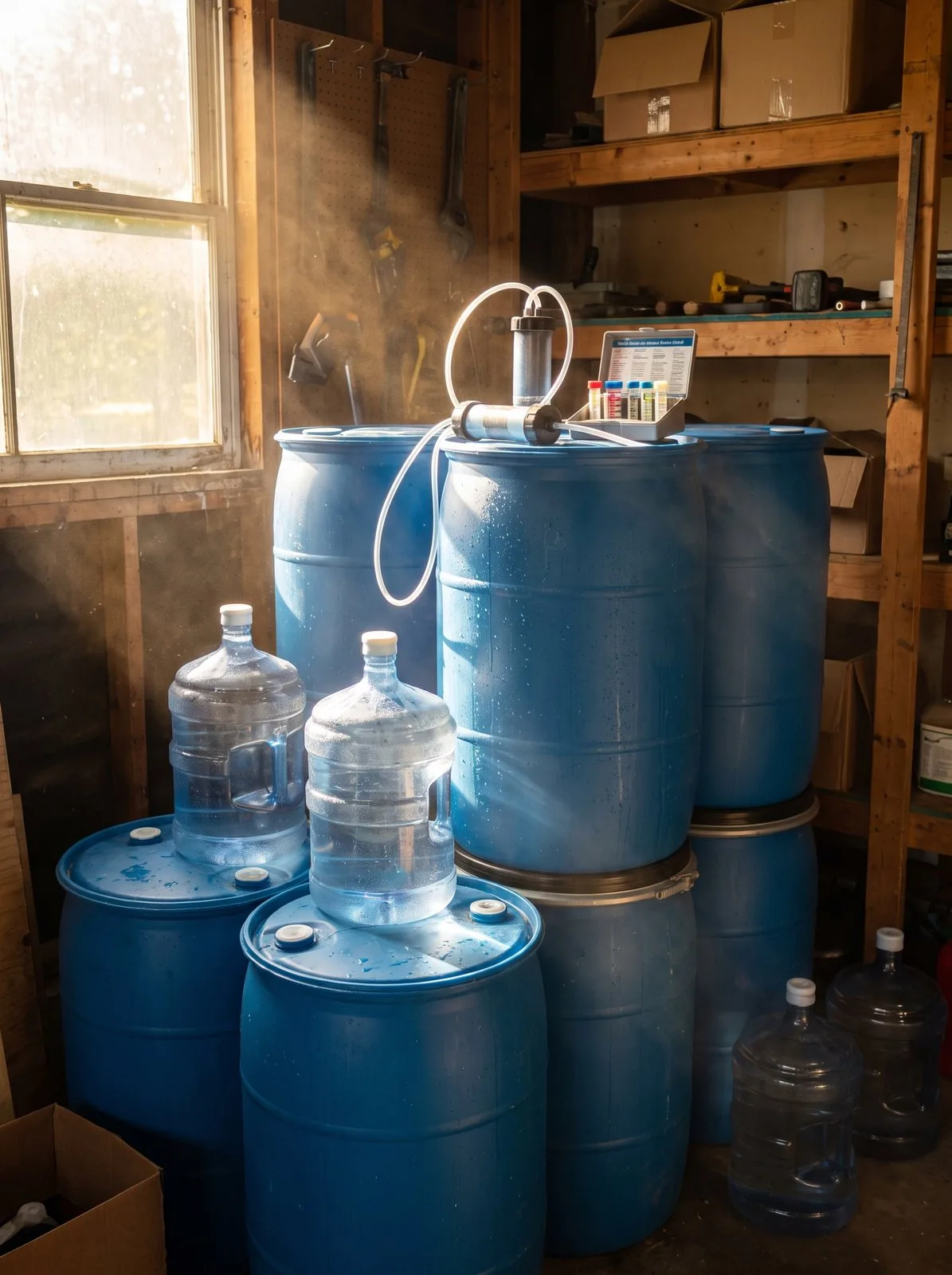
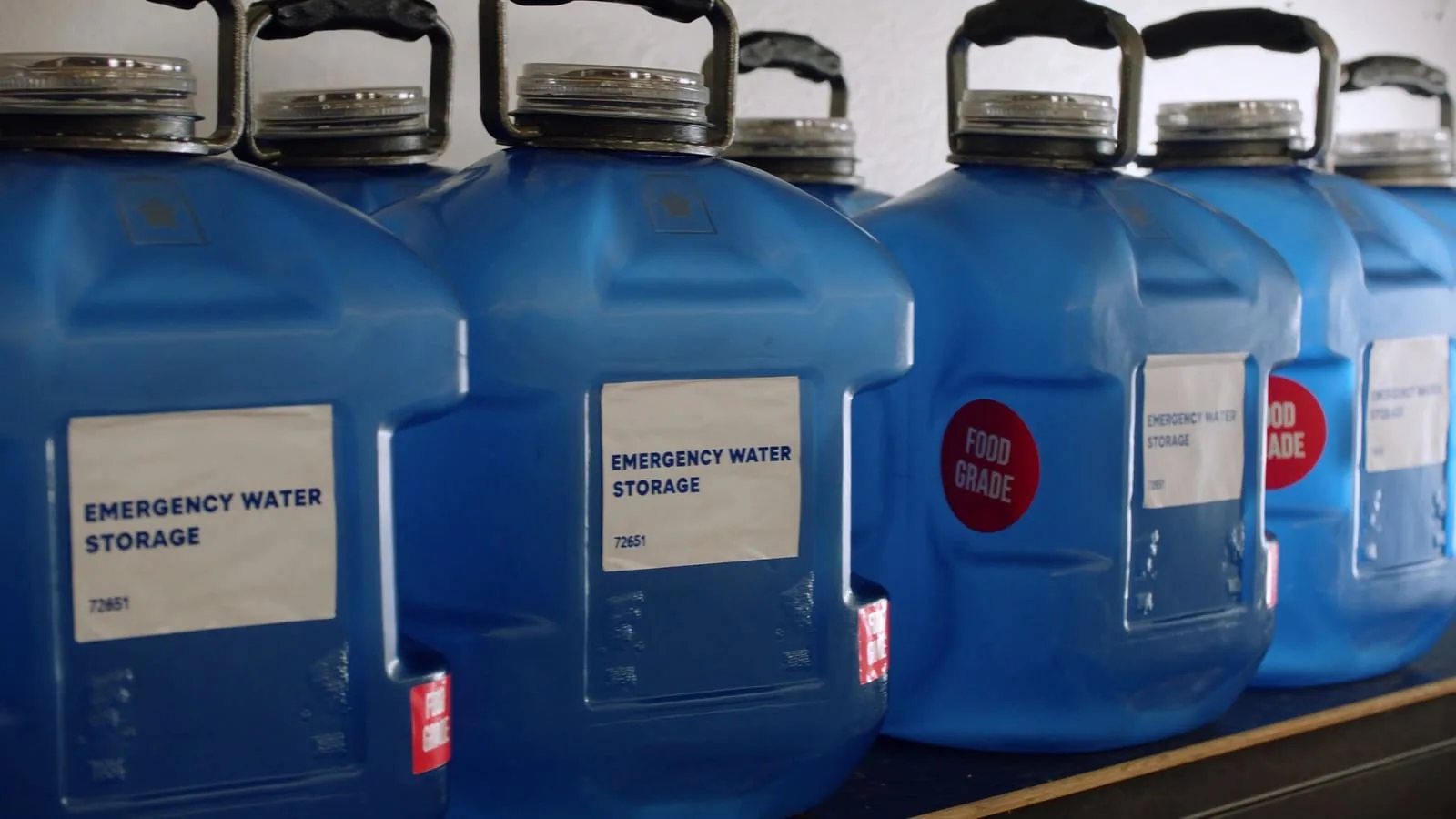
CDC's per-person, per-day water storage numbers, safe containers, rotation timing, and treatment guidance for a real emergency water supply.
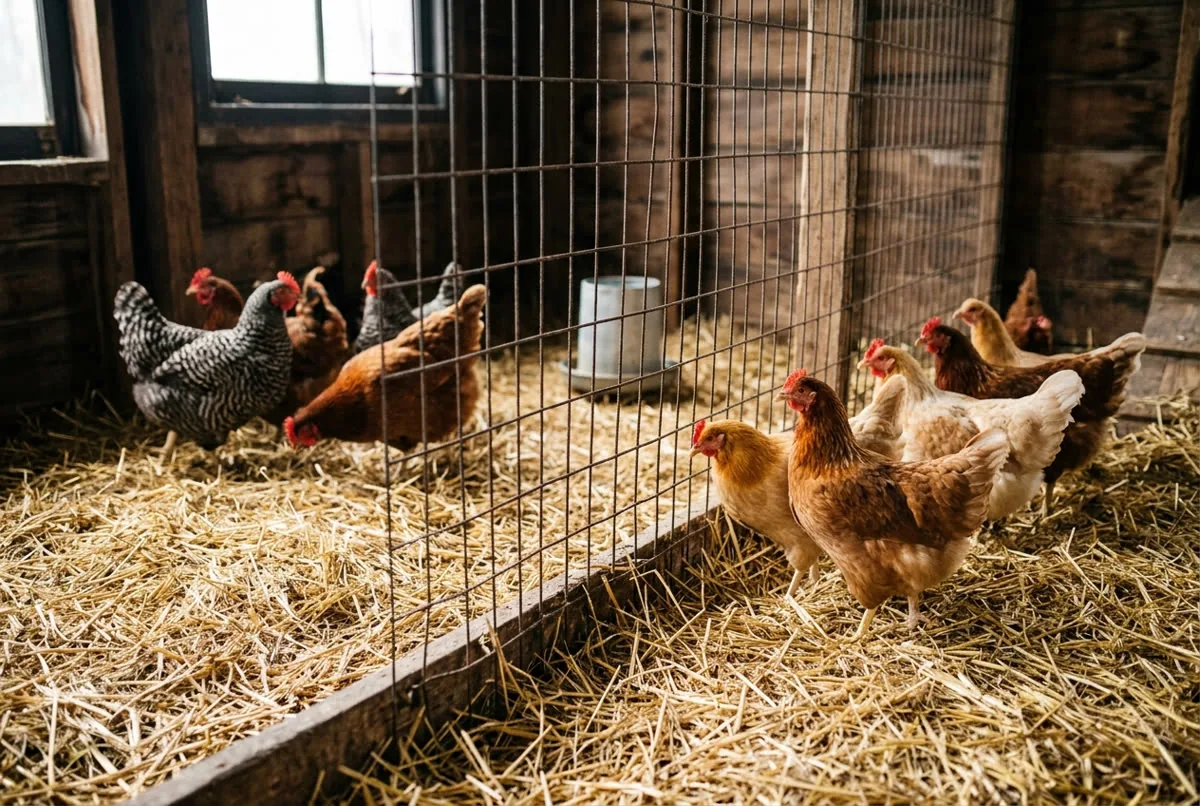
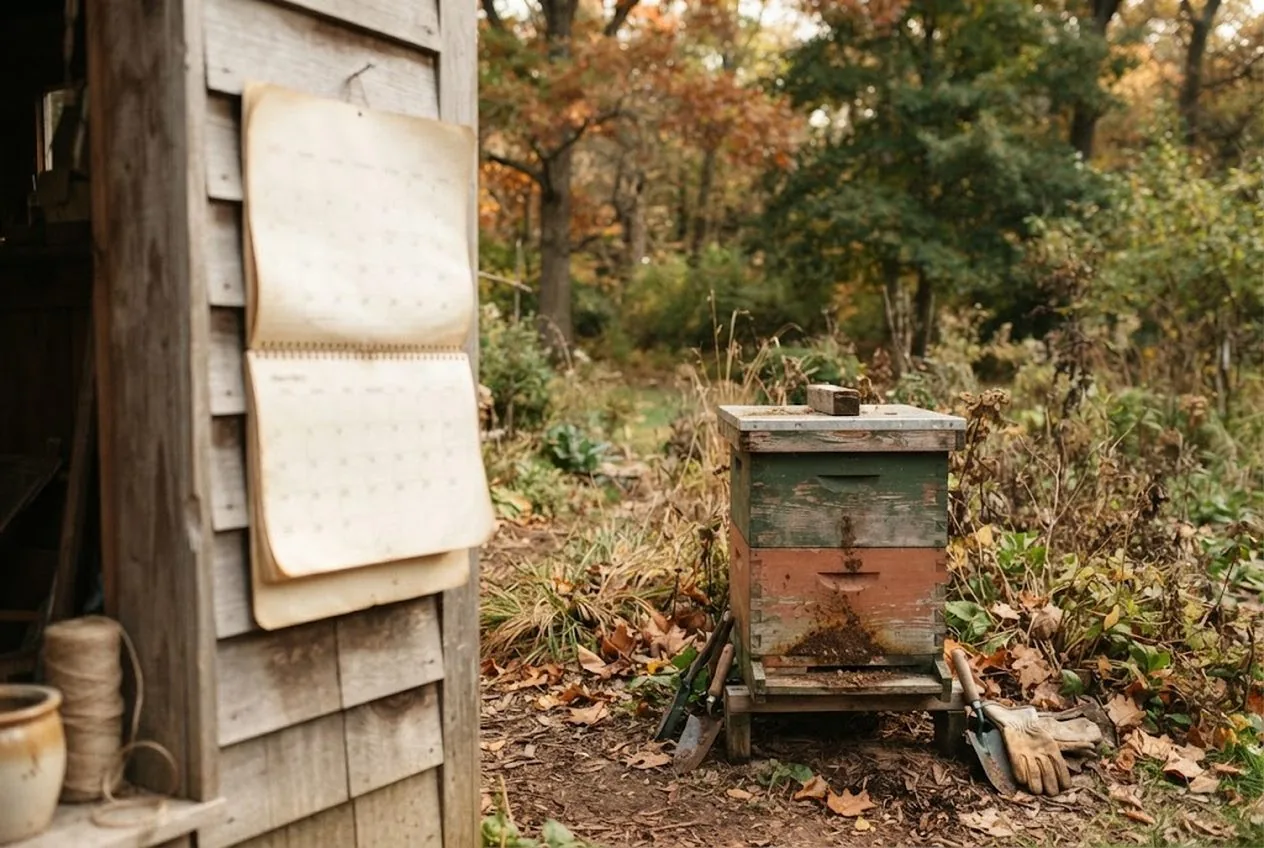
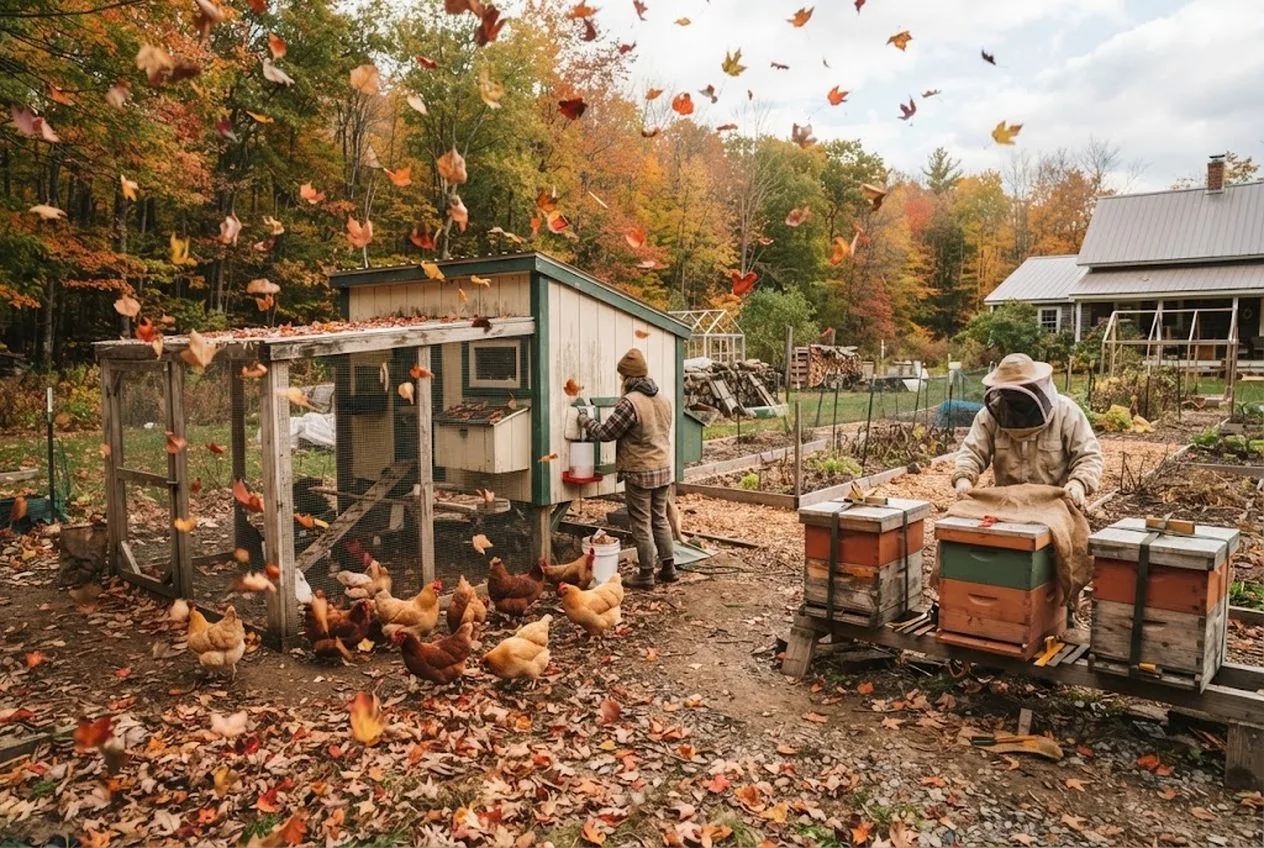
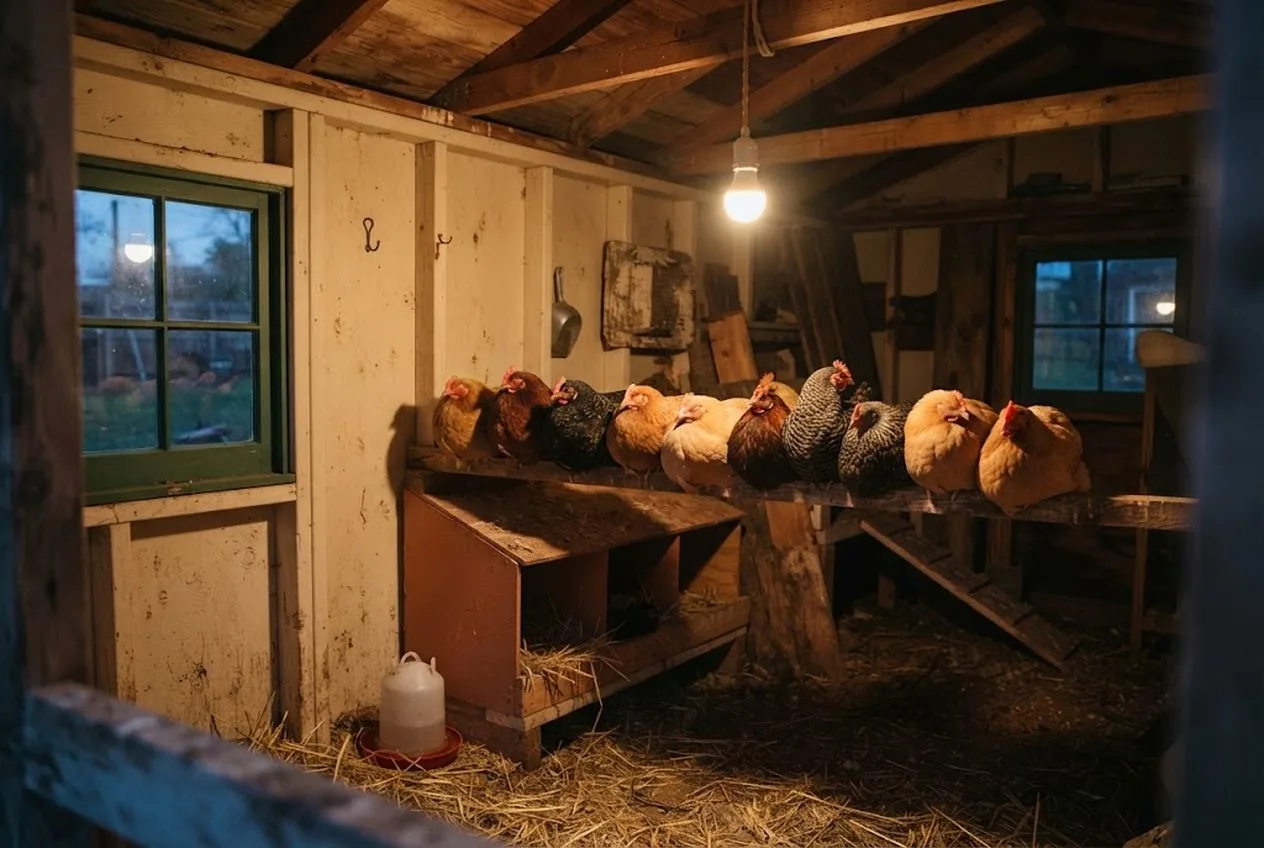
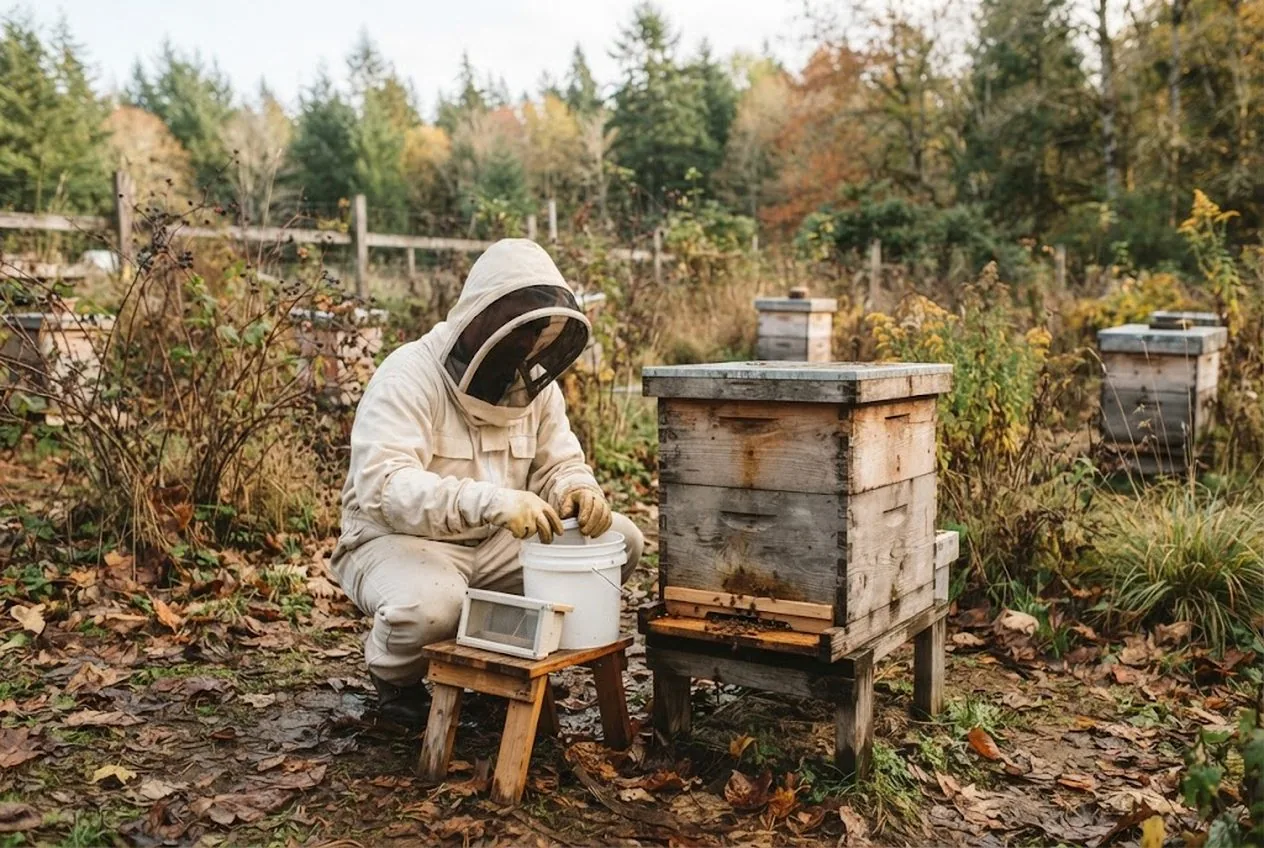
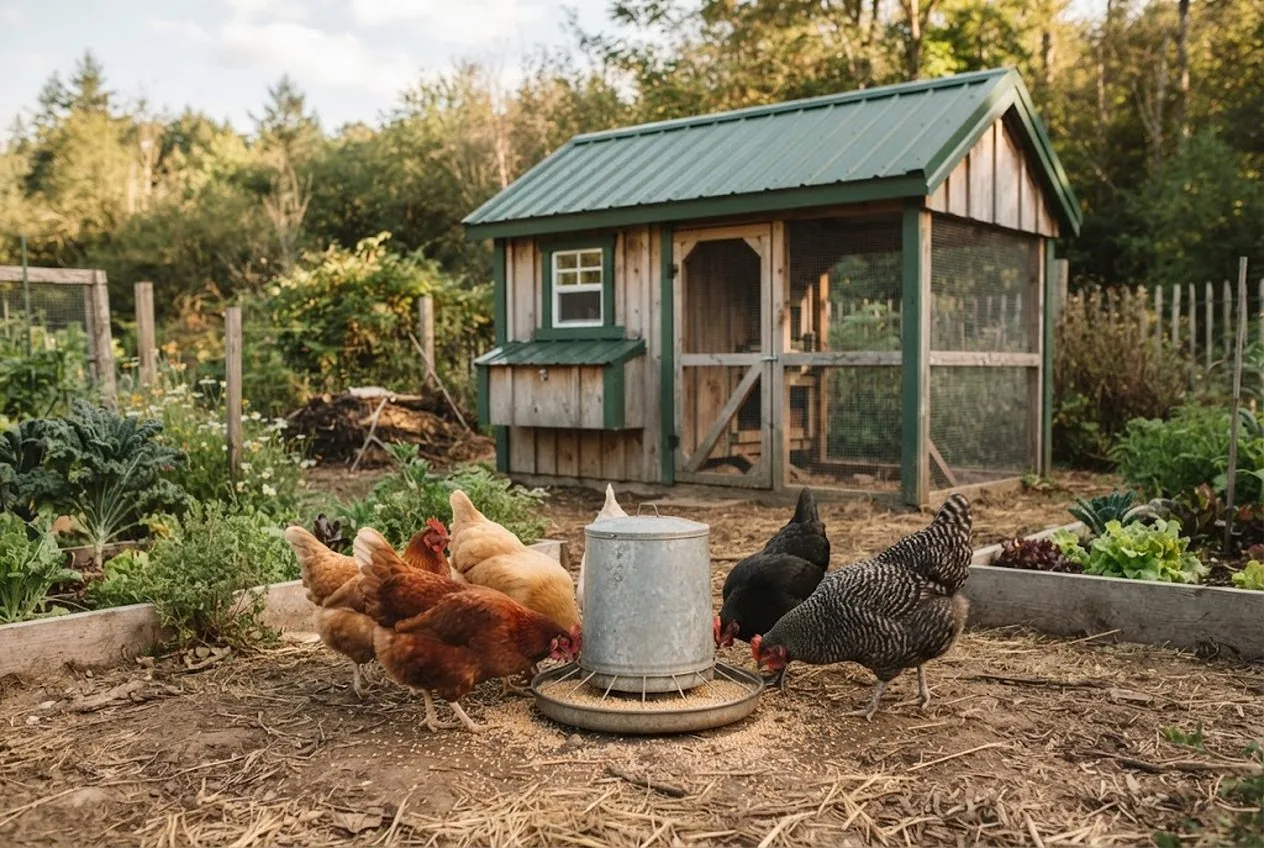
7 fall chores to get chickens and bees ready for winter: freeze-proof water, deep litter, predator-proofing, a varroa mite check, winter feed, and gear checks.
Egg counts drop every fall from molt and shrinking daylight. What's actually driving it, whether supplemental light is worth running, and how to prep the coop.
How to treat varroa mites and winterize your hive: monitor with an alcohol wash, treat, feed to winter weight, reduce the entrance, and insulate before frost.
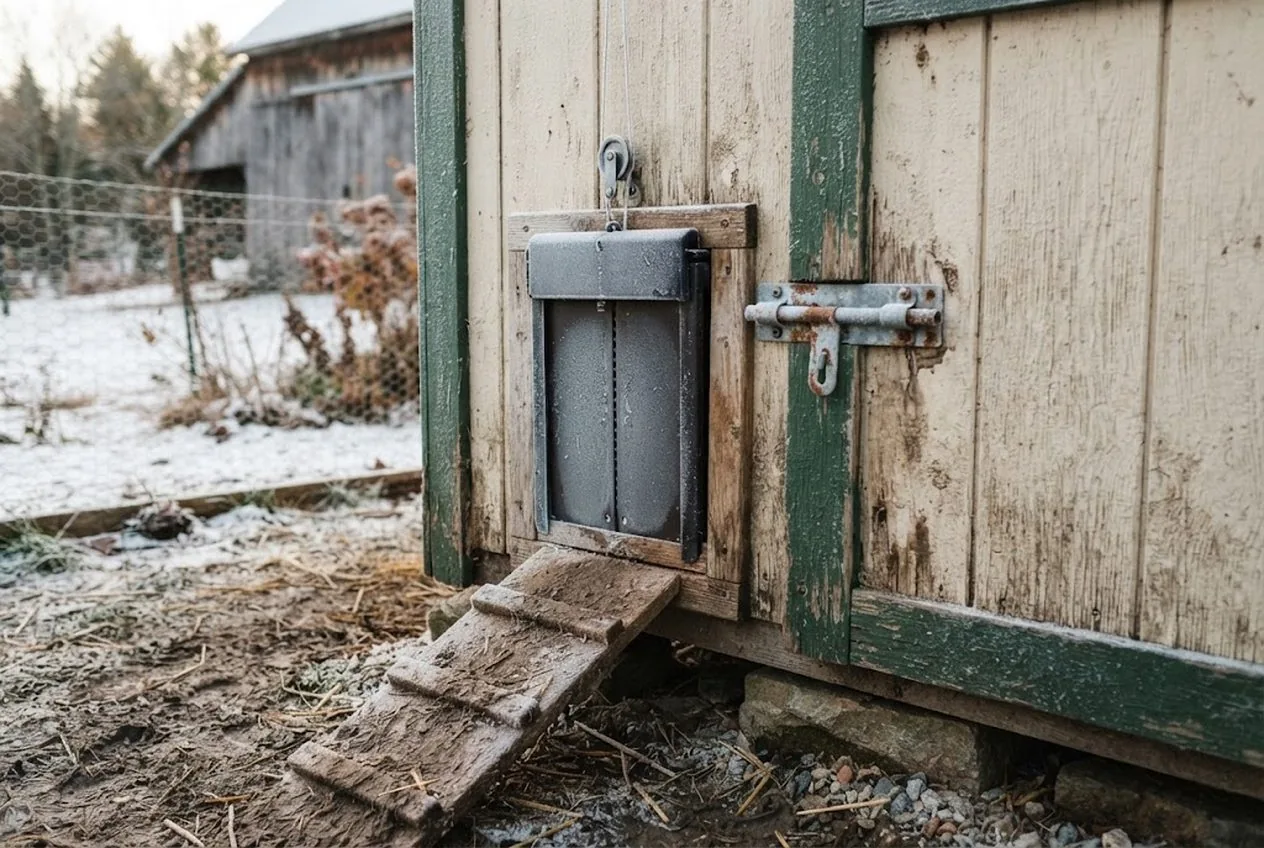
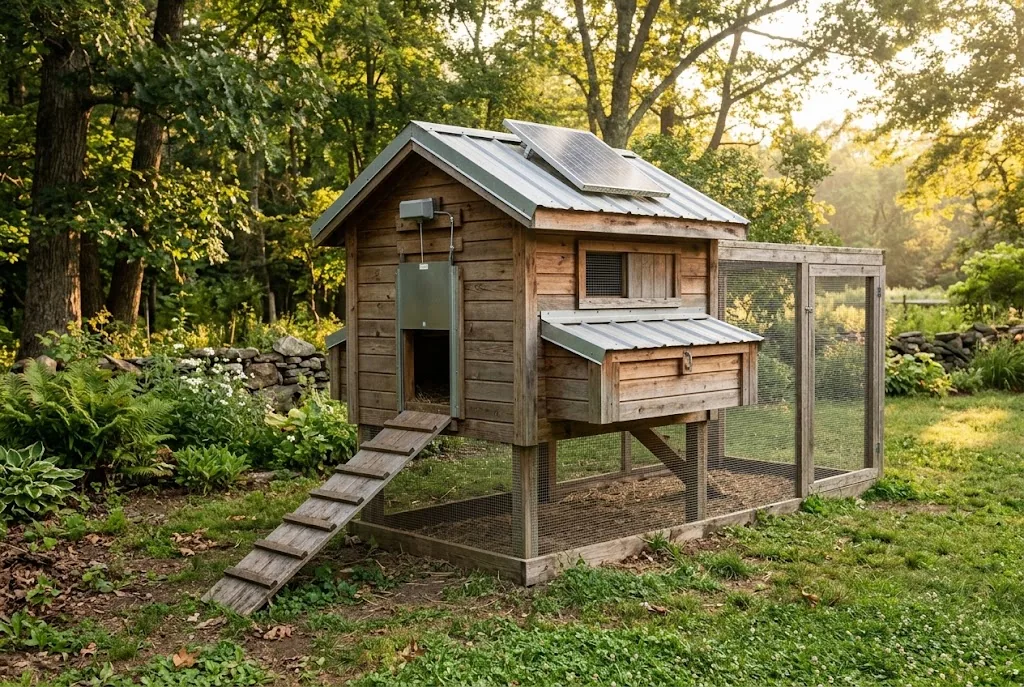
Automatic coop door vs manual for winter: which protects your flock in the cold and dark, what each costs, the reliability trade-offs, and which is worth it.
Bird flu headlines and egg-price swings have more people eyeing backyard flocks. The real math on whether a flock is worth it, and what it costs to start one.
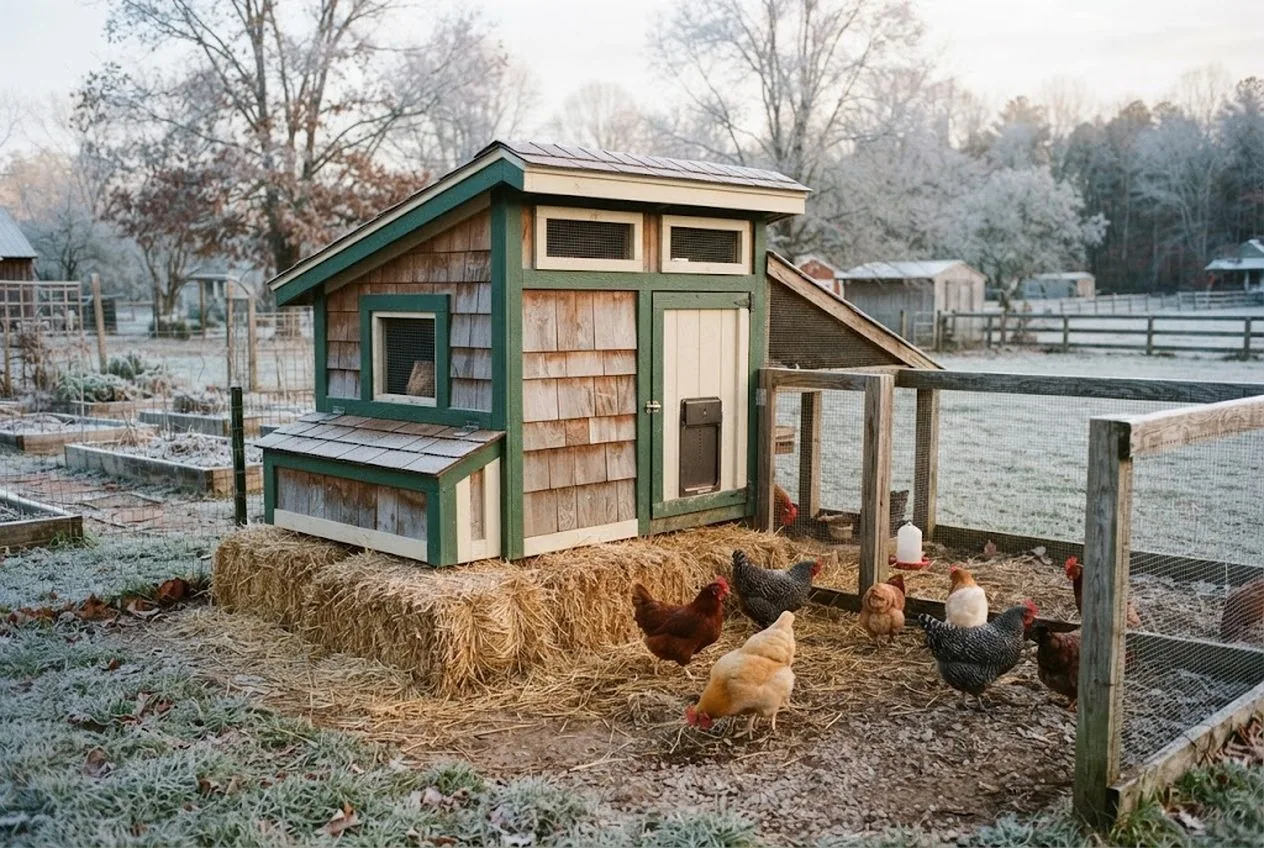
How to winterize a chicken coop before the first frost: ventilation without drafts, deep-litter bedding, a heated waterer, and predator-proofing for winter.
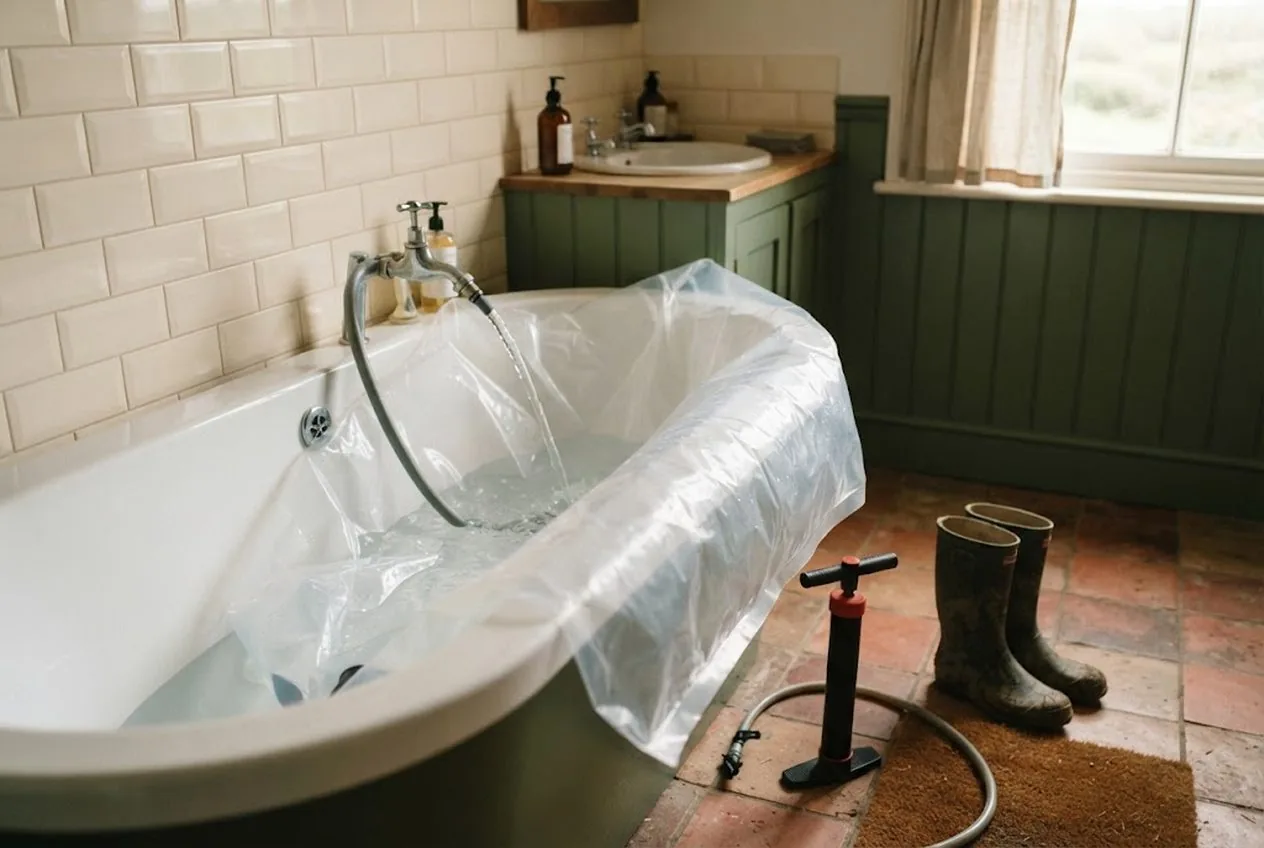
How to fill a WaterBOB before a storm hits: tub setup, filling and sealing the bladder, using the pump, and storing up to 100 gallons of clean water.
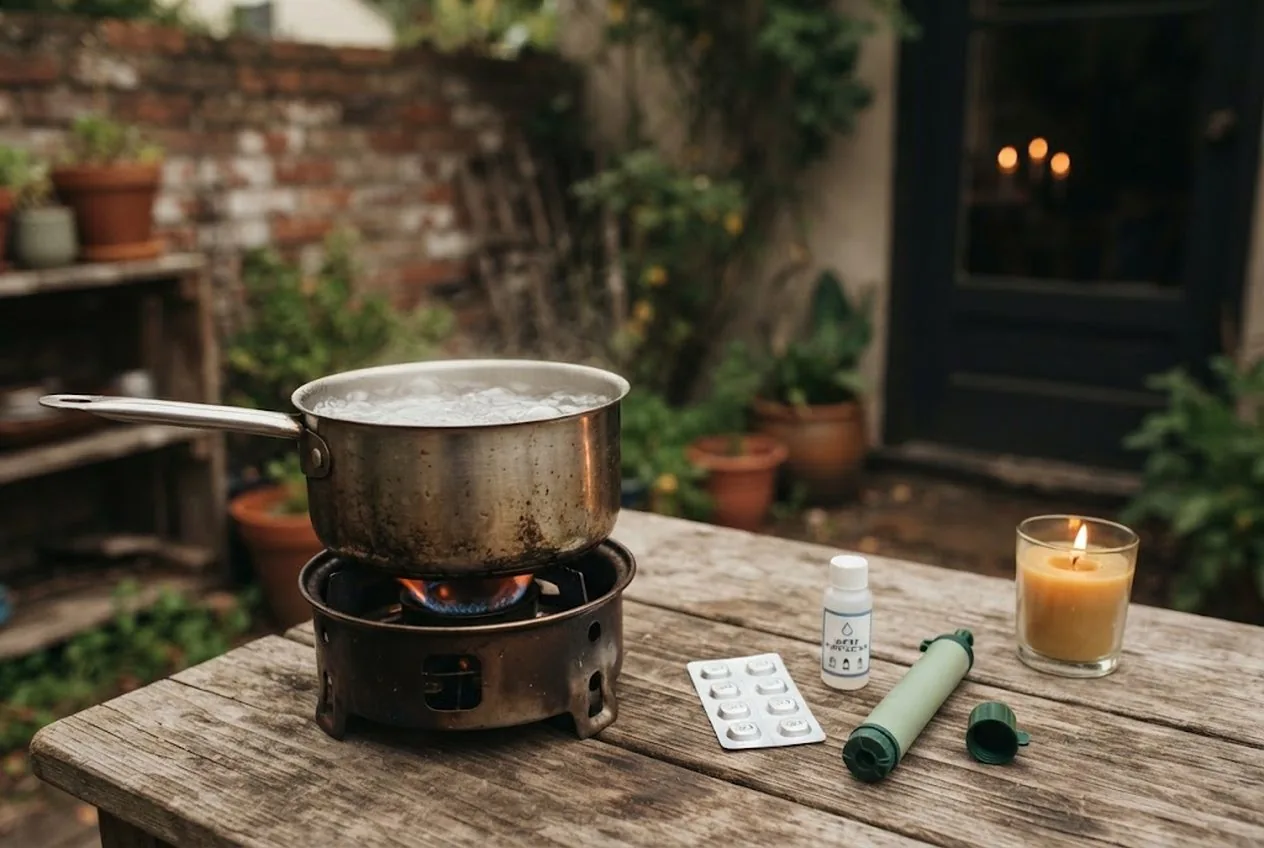
5 ranked ways to purify water when the power's out — boiling, chemical tablets, gravity and personal filters, plus what each kills and when to reach for it.
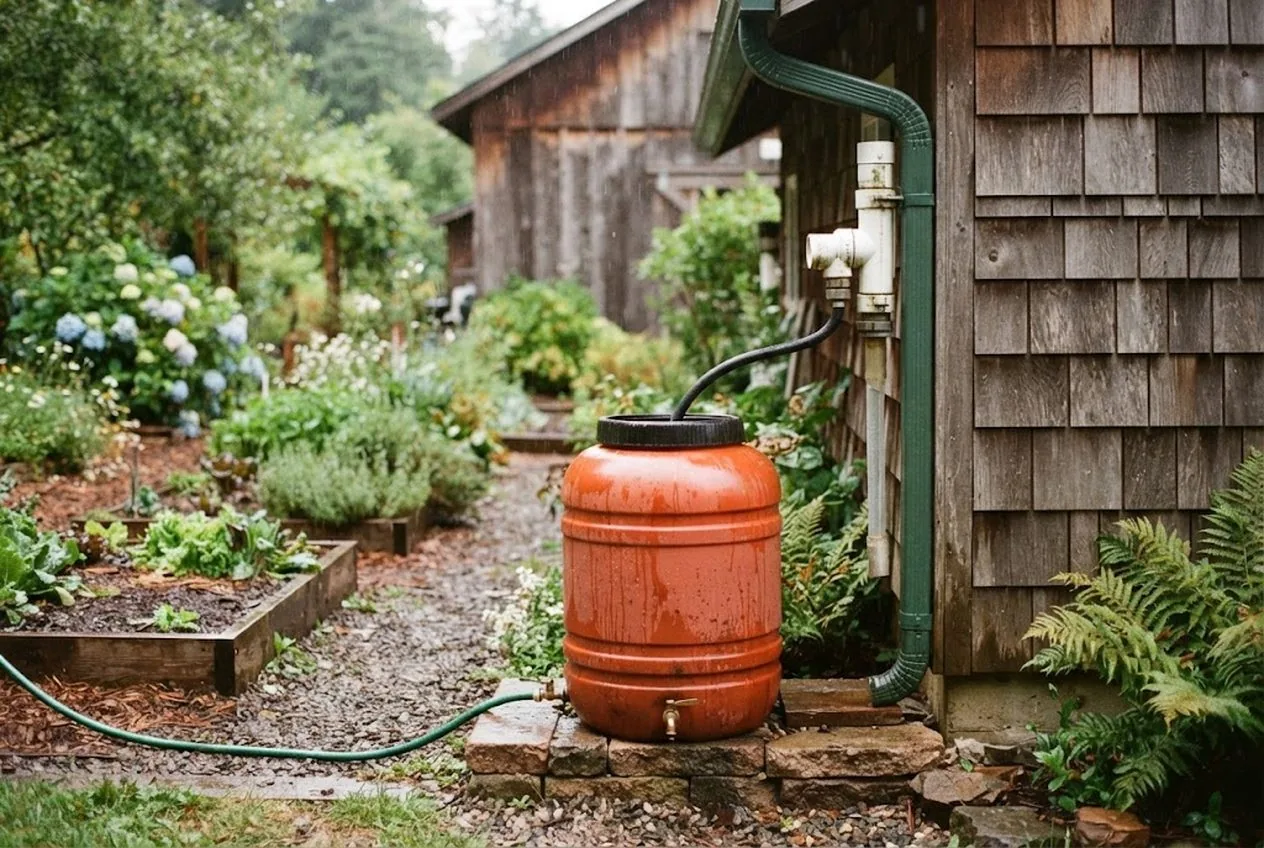
How to add a first-flush diverter to a rain barrel: what it does, sizing the chamber, step-by-step install on your downspout, and the cleaner water it delivers.
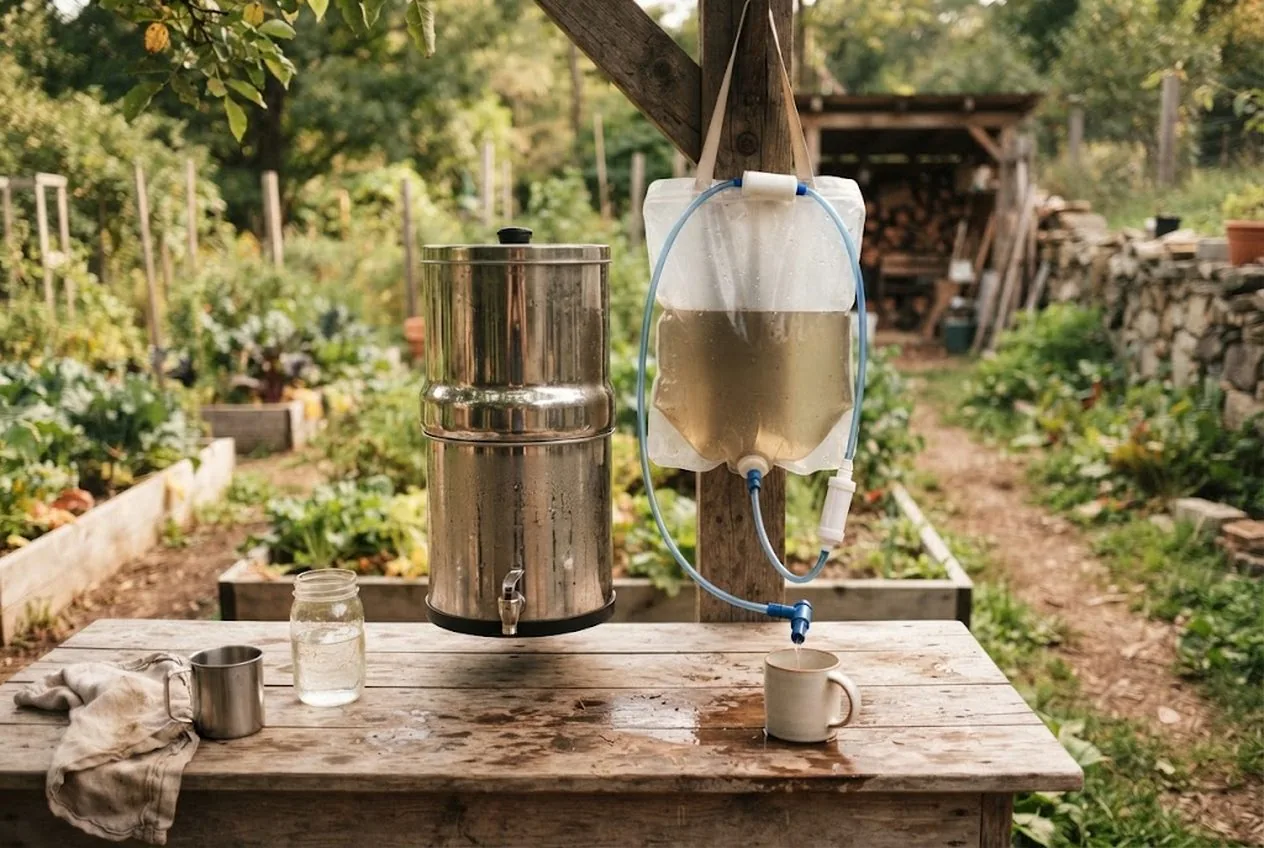
Big Berkey vs Platypus GravityWorks, updated for Berkey's EPA stop sale order and court fight — what each removes, capacity, portability, cost, and what to buy.
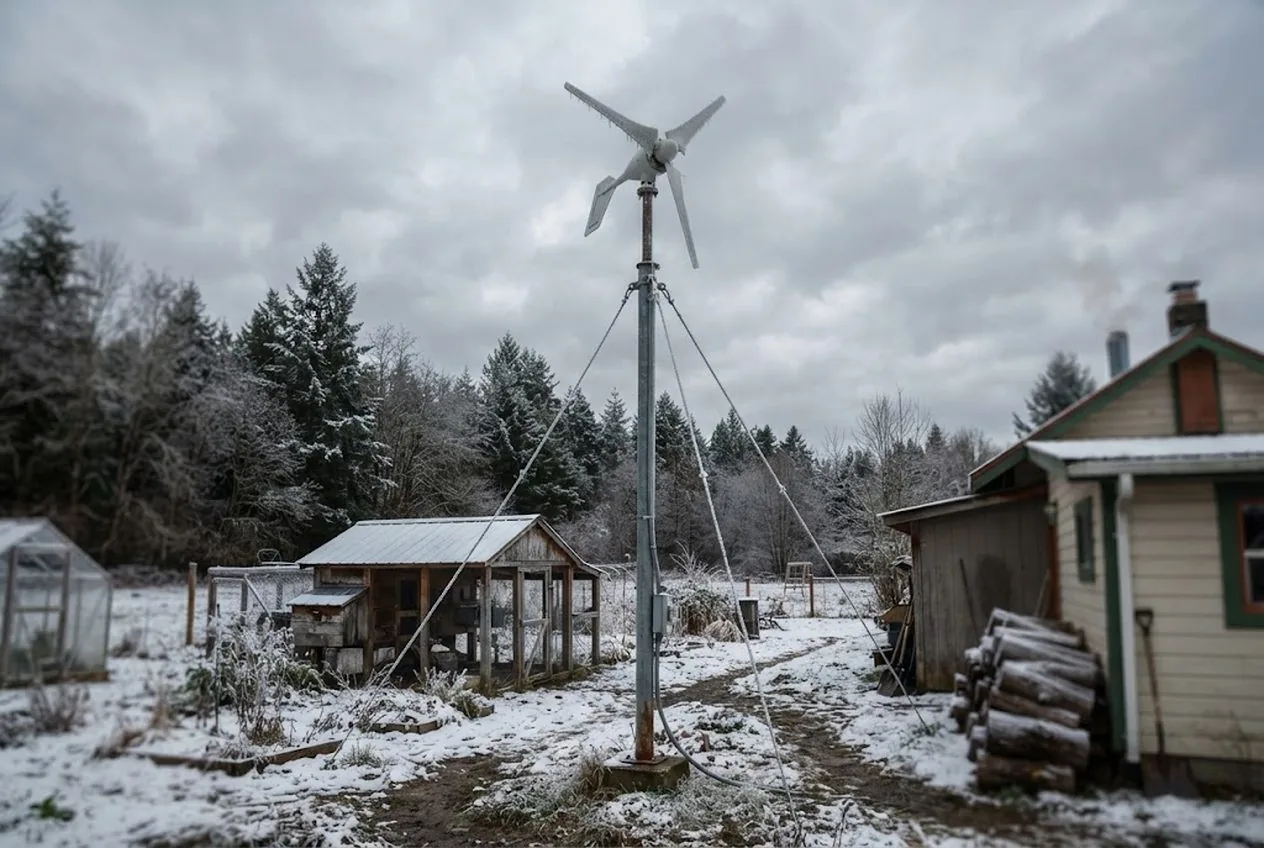
The honest reality of backyard wind turbines in winter: how much power a small turbine really makes, where wind fails, icing, and how it fits a solar system.
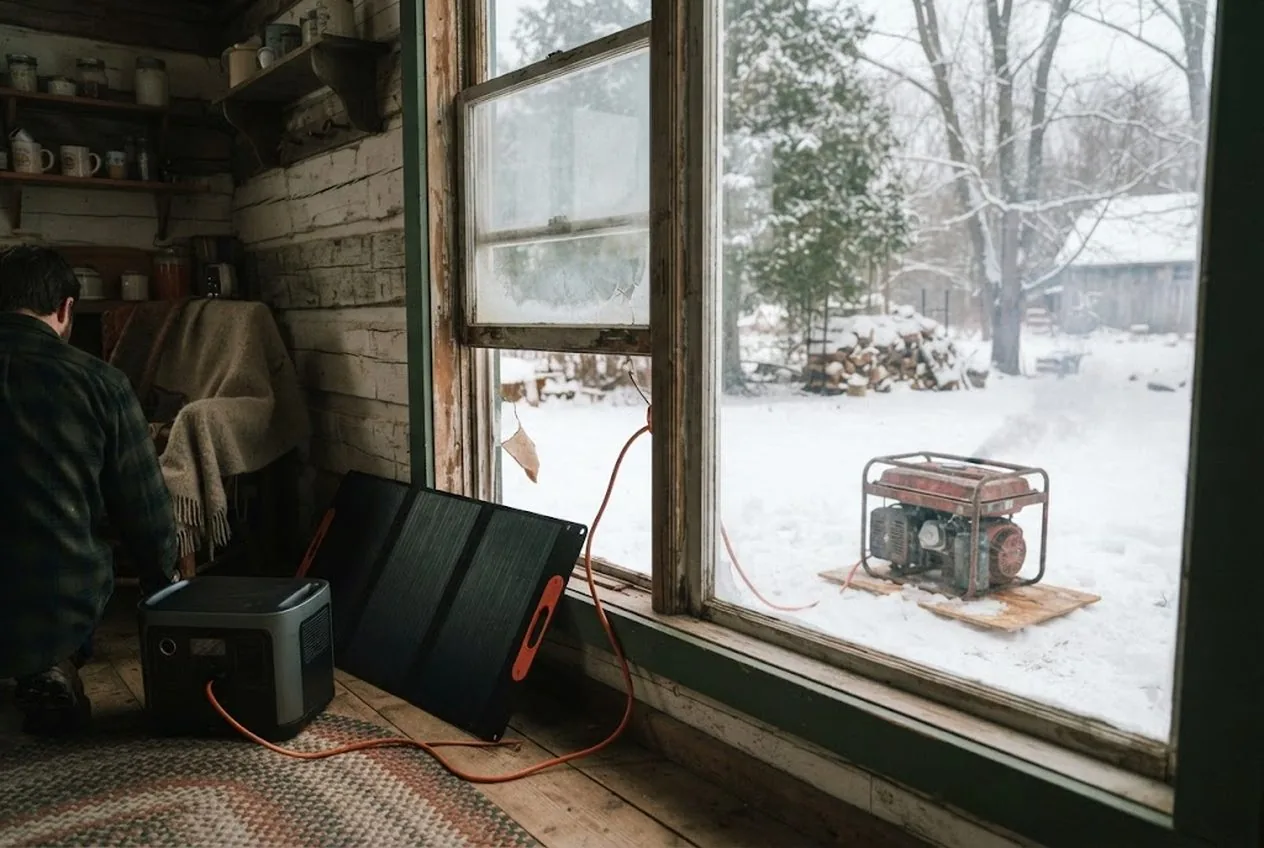
Solar generator vs gas generator for winter backup: cold-weather reliability, runtime, fuel and noise, safety, and which one belongs in your outage plan.
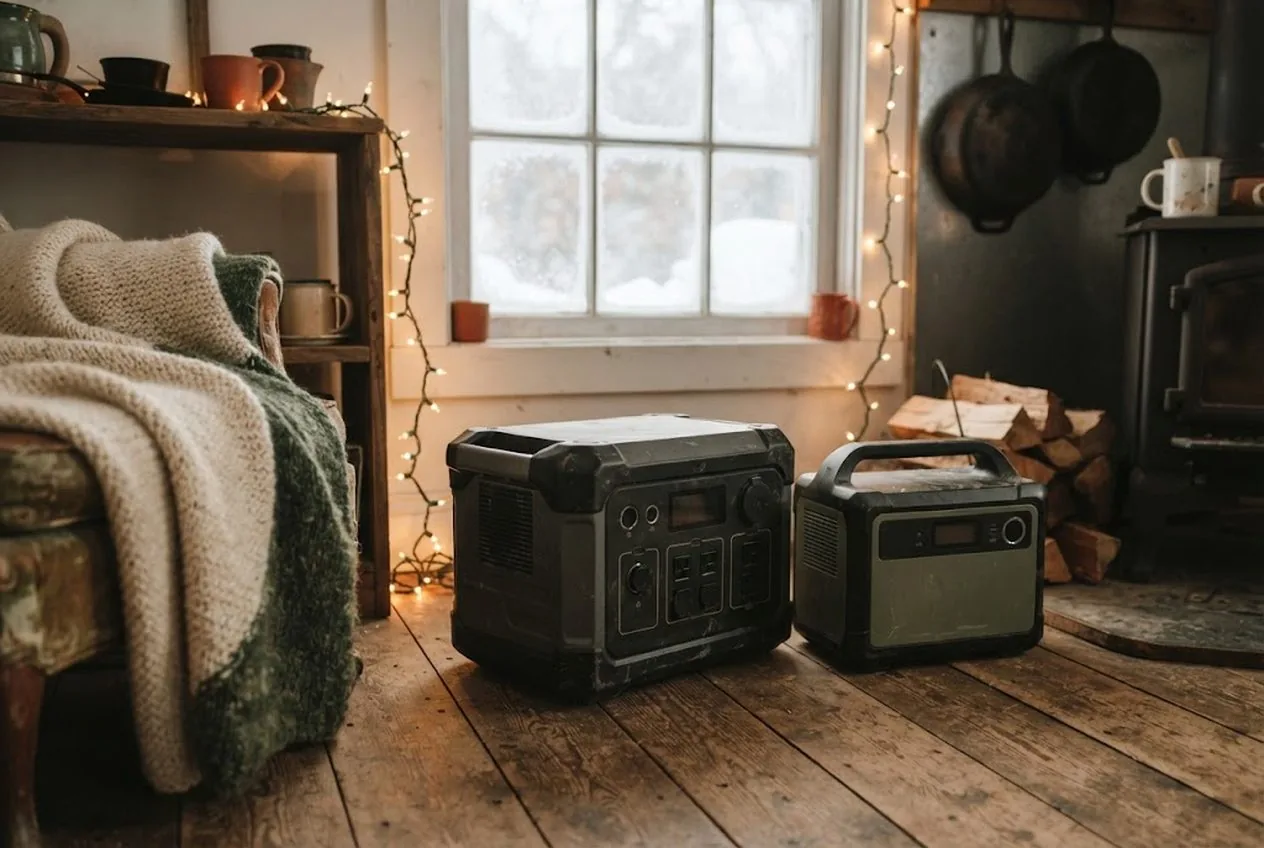
Bluetti AC180 vs EcoFlow for a winter blackout: cold-weather battery performance, running a furnace blower and fridge, recharge in low sun, and which to buy.
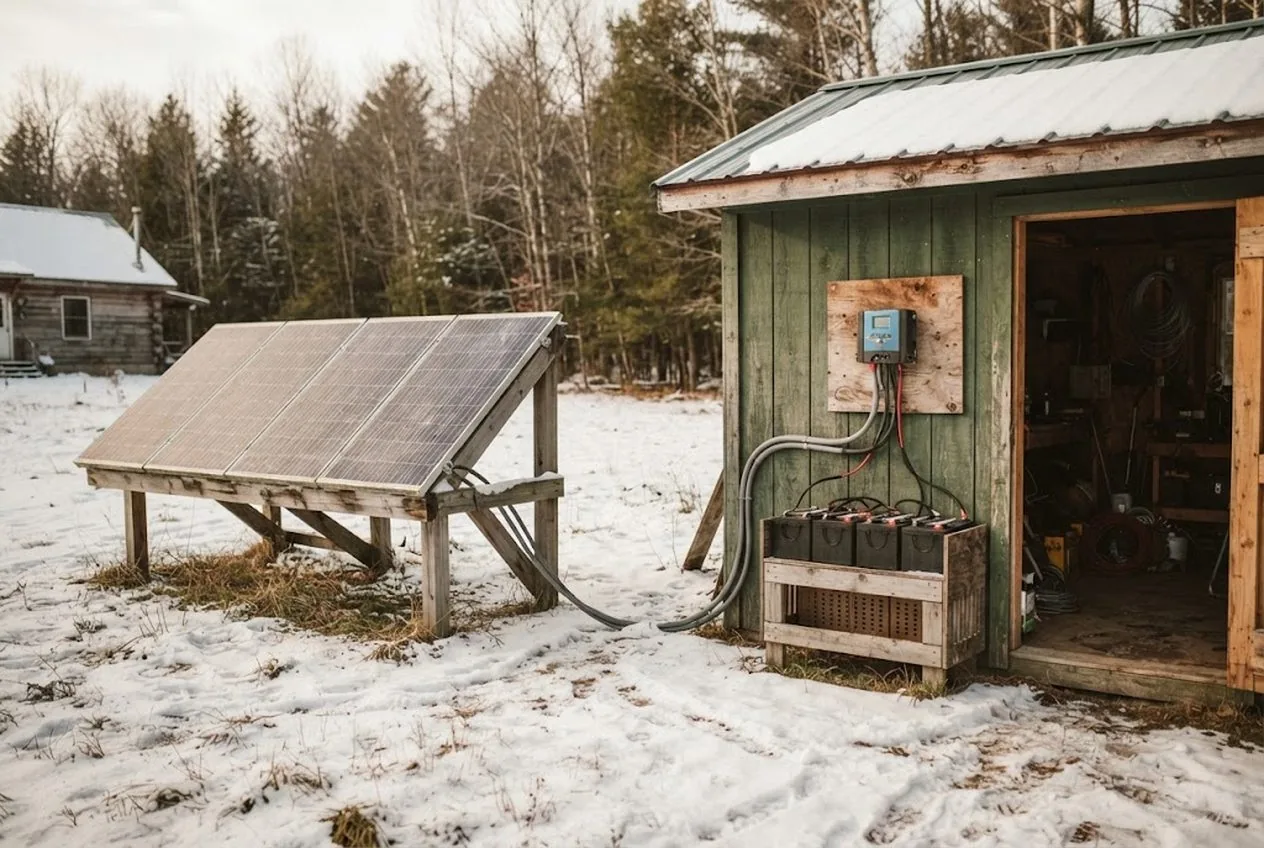
How to size a solar setup for fall and winter: add up your daily loads, derate for short cloudy days, and match panels, batteries, and a charge controller.
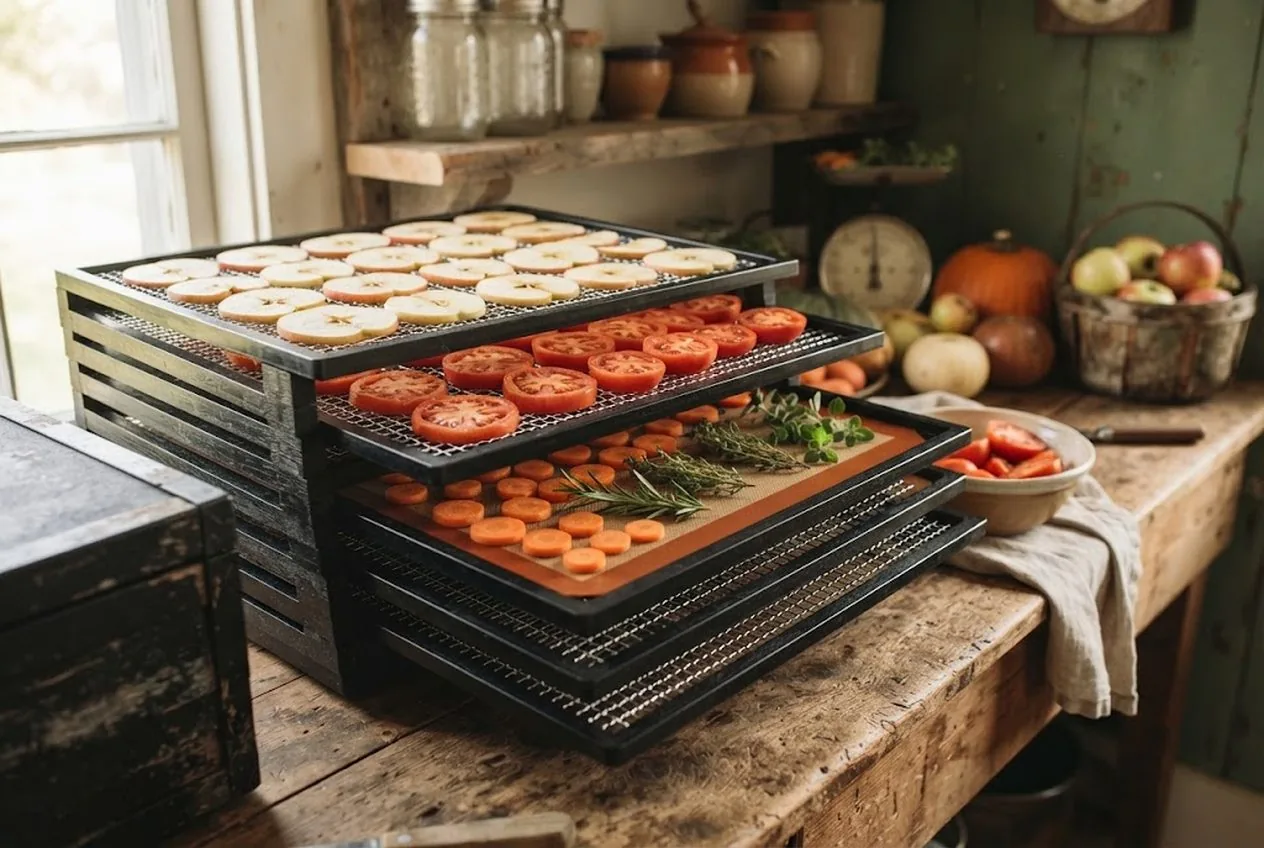
How to dehydrate your fall harvest step by step: prep and blanching, the right temperature for each crop, how to tell when it's done, conditioning, and storage.
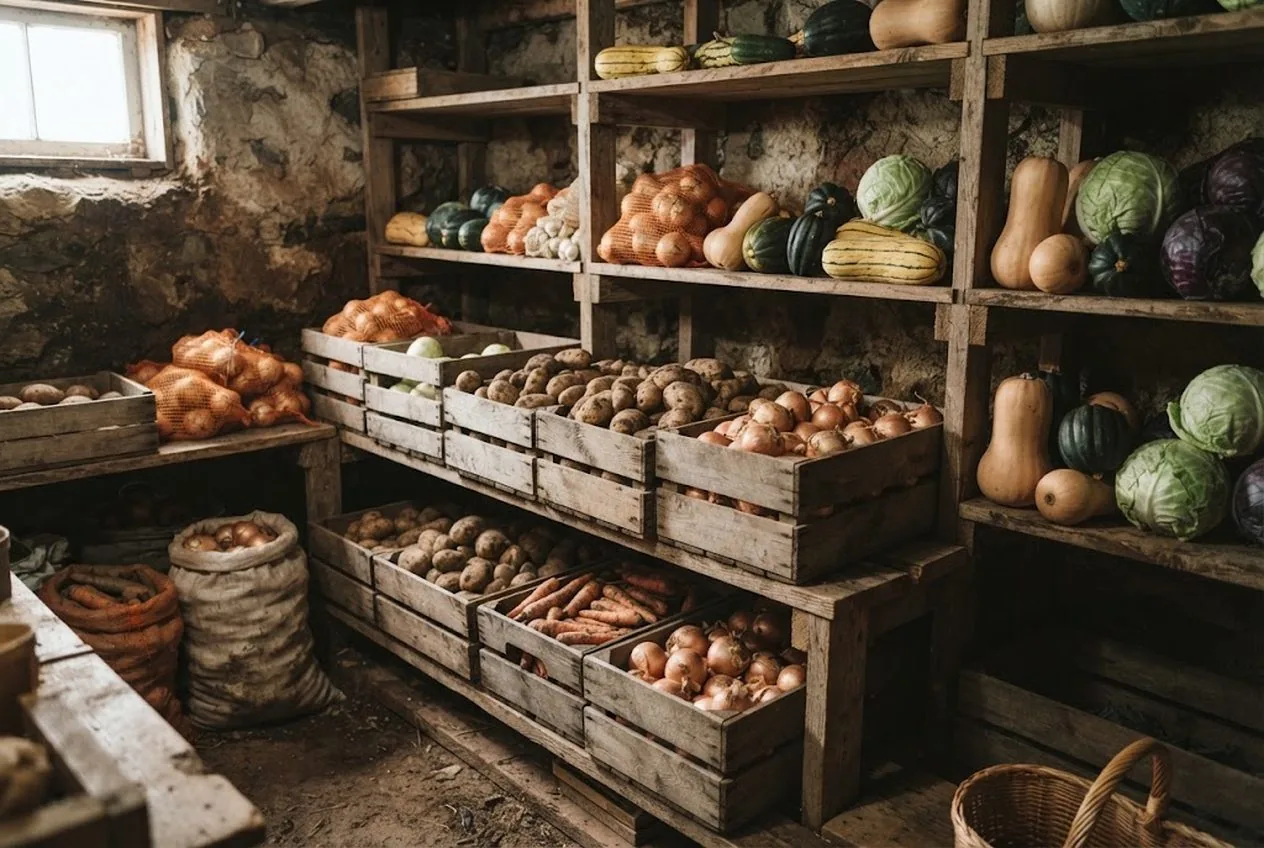
A fall vegetable root cellar storage list: which crops keep for months, the ideal temperature and humidity for each, and how to store them so they last.
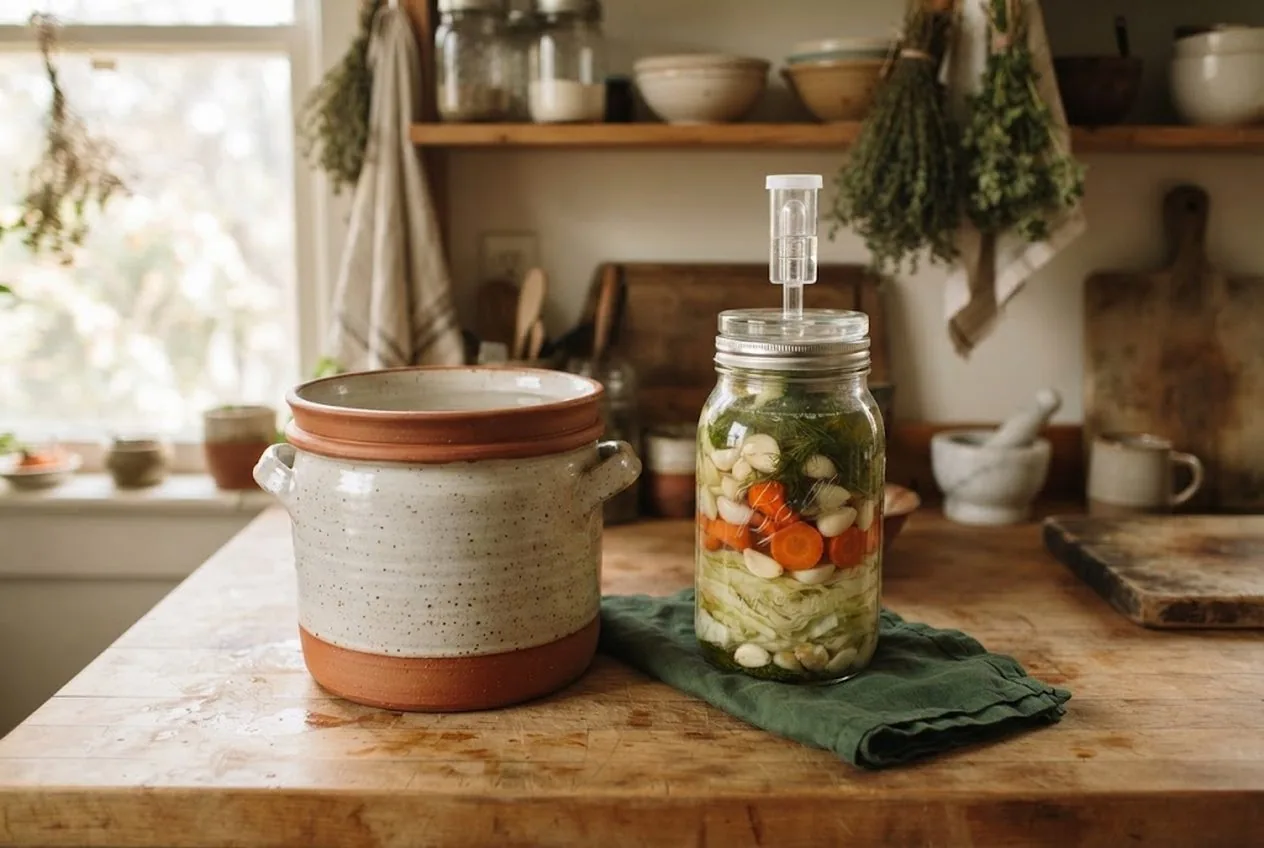
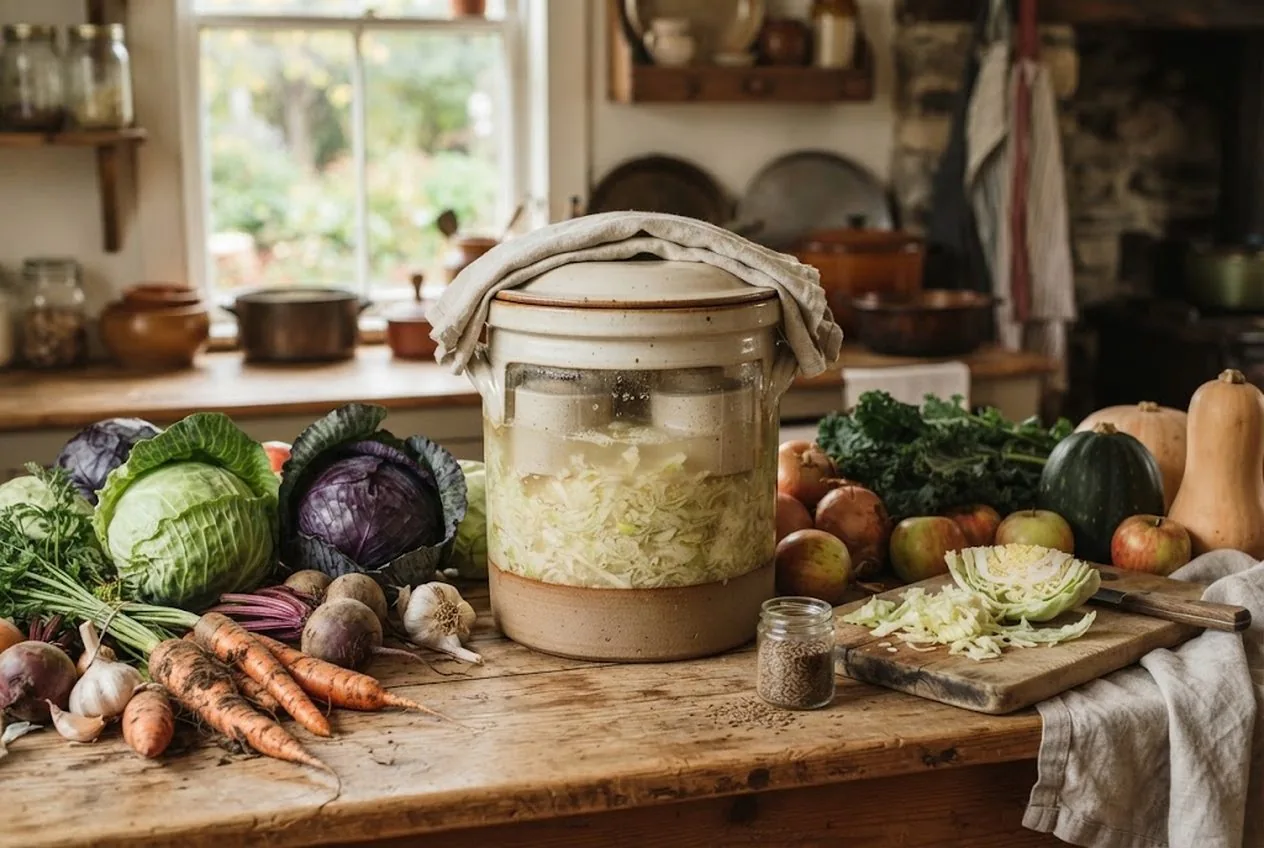
Fermentation crock vs mason jar compared: the water-seal vs airlock, batch size, mold risk, cost, and which one to buy first for sauerkraut, kimchi and pickles.
How to ferment vegetables in a crock, step by step: the 2% salt brine, keeping everything submerged, the right temperature, timing, and how to fix problems.
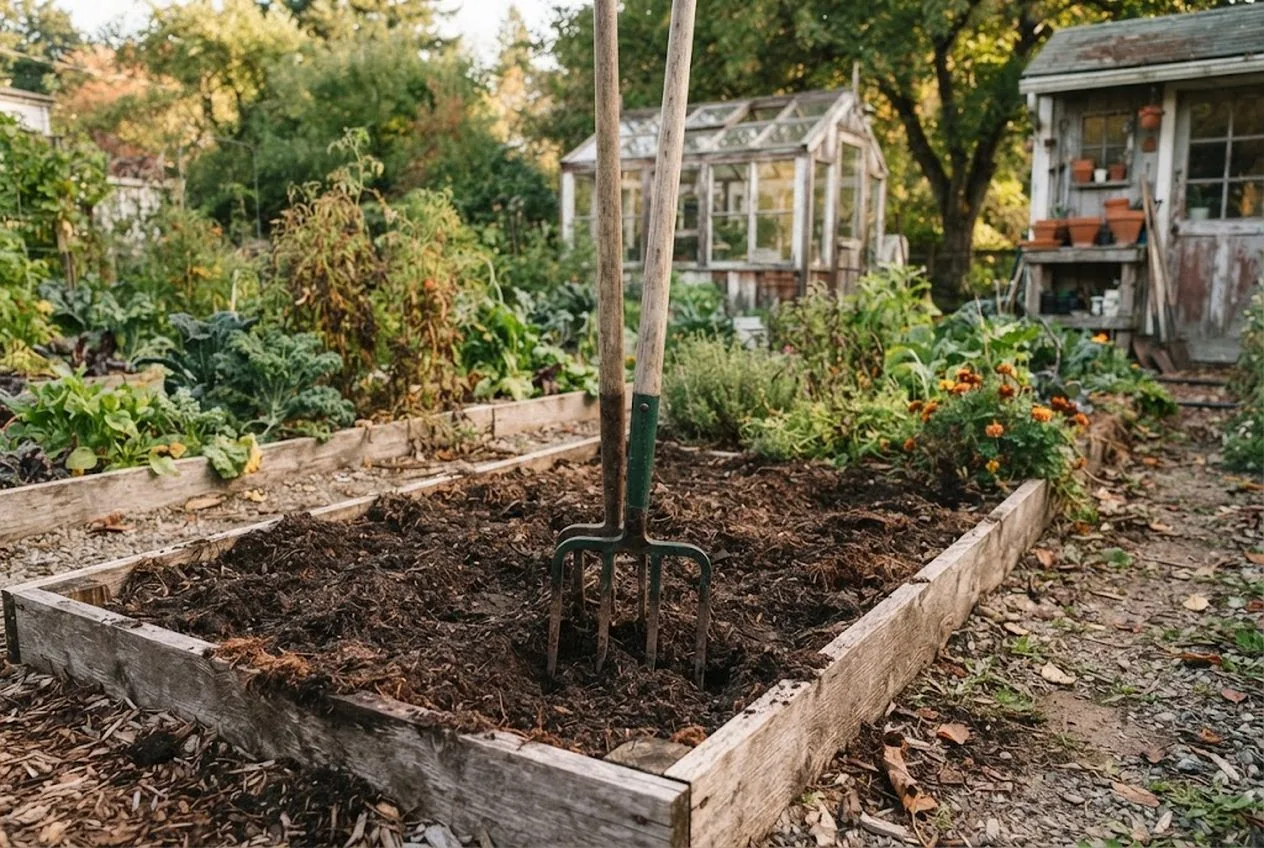
Build fall garden soil the no-till way: aerate with a broadfork, amend with compost and coco coir, and start transplants in soil blocks for a strong fall crop.
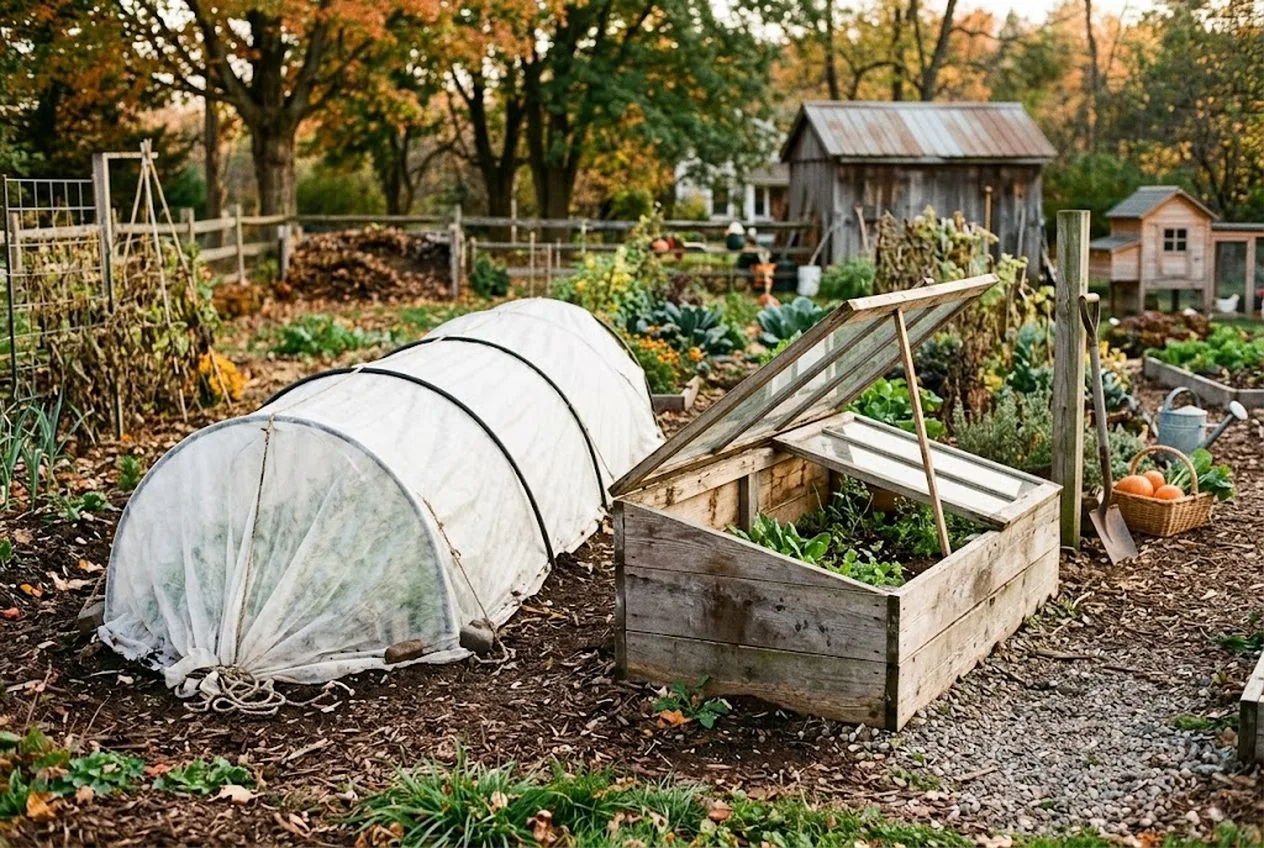
Row covers vs cold frames compared: how much frost protection each gives, what they cost, which crops suit each, and how to choose the right season extender.
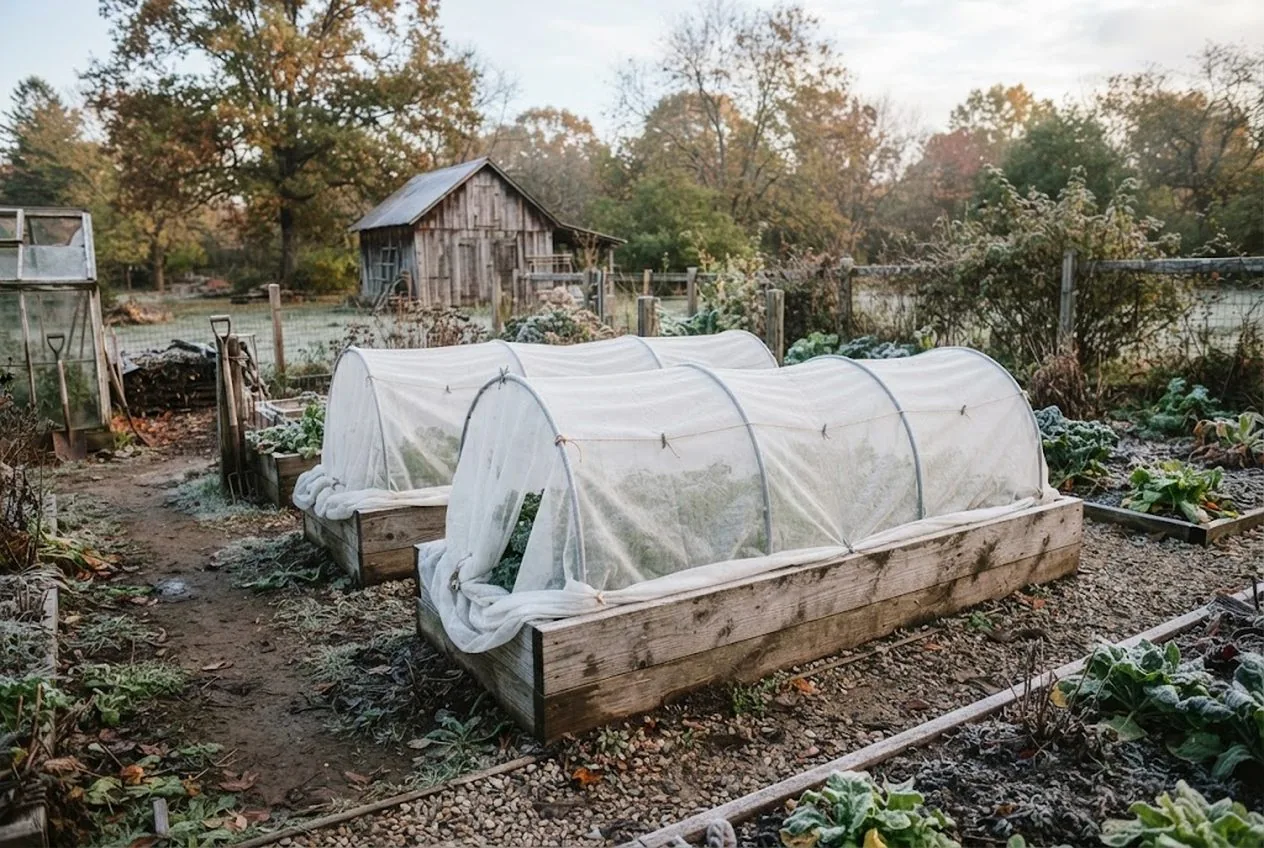
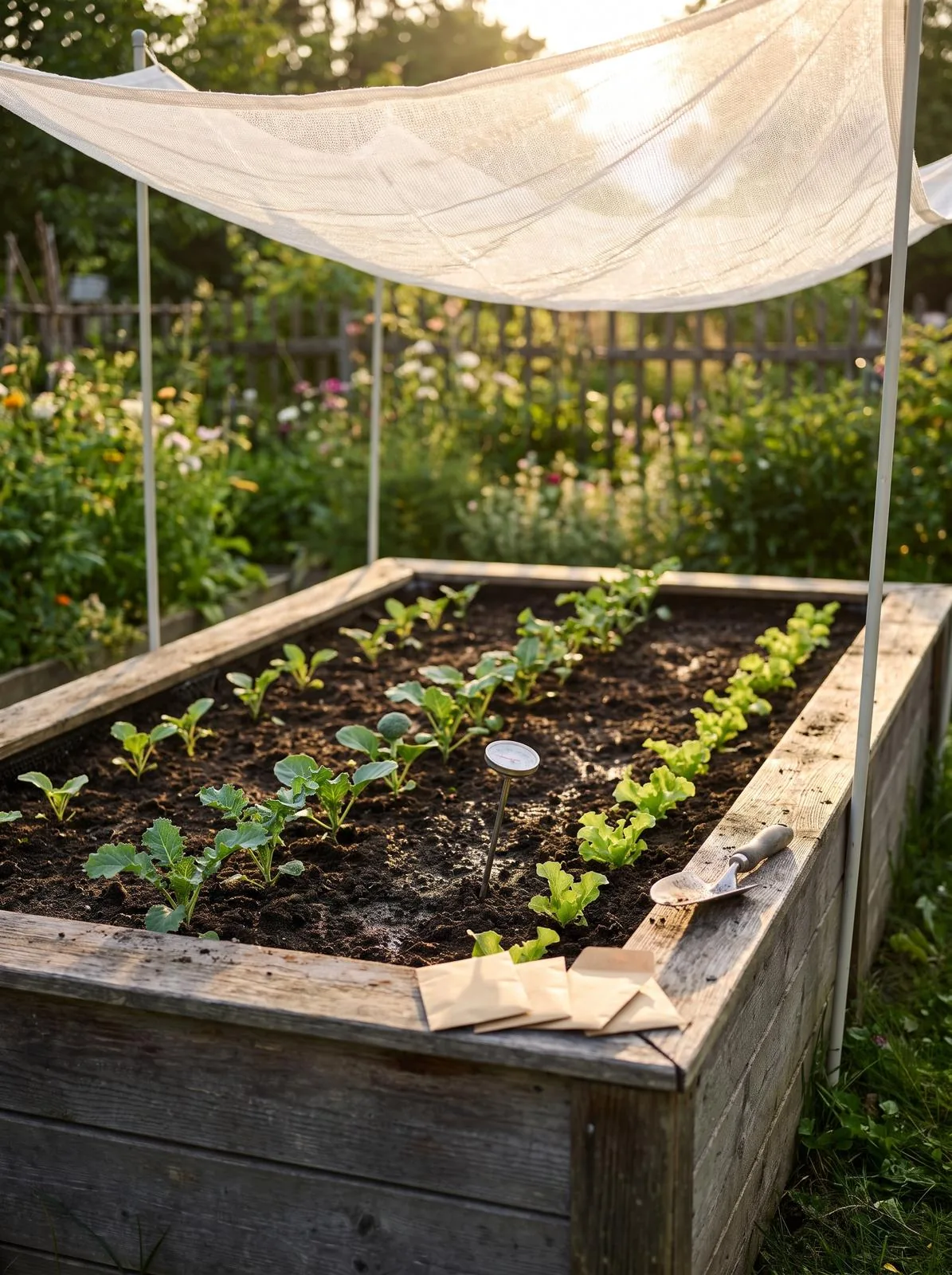
How to use floating row cover to protect fall crops from frost: choosing the right weight, hoops vs floating, securing the edges, and day-to-day management.
9 cold-hardy crops to sow in late summer for a fall harvest, with days-to-maturity math, frost-tolerance notes, and how to get seeds up in warm August soil.
Long-term food storage with Mylar bags and oxygen absorbers, step by step: which foods qualify, absorber sizing, sealing, buckets, and the real shelf life.
A hurricane-season blackout kit for peak Atlantic season: portable power, stored and emergency water, and the food and comms to ride out a multi-day outage.
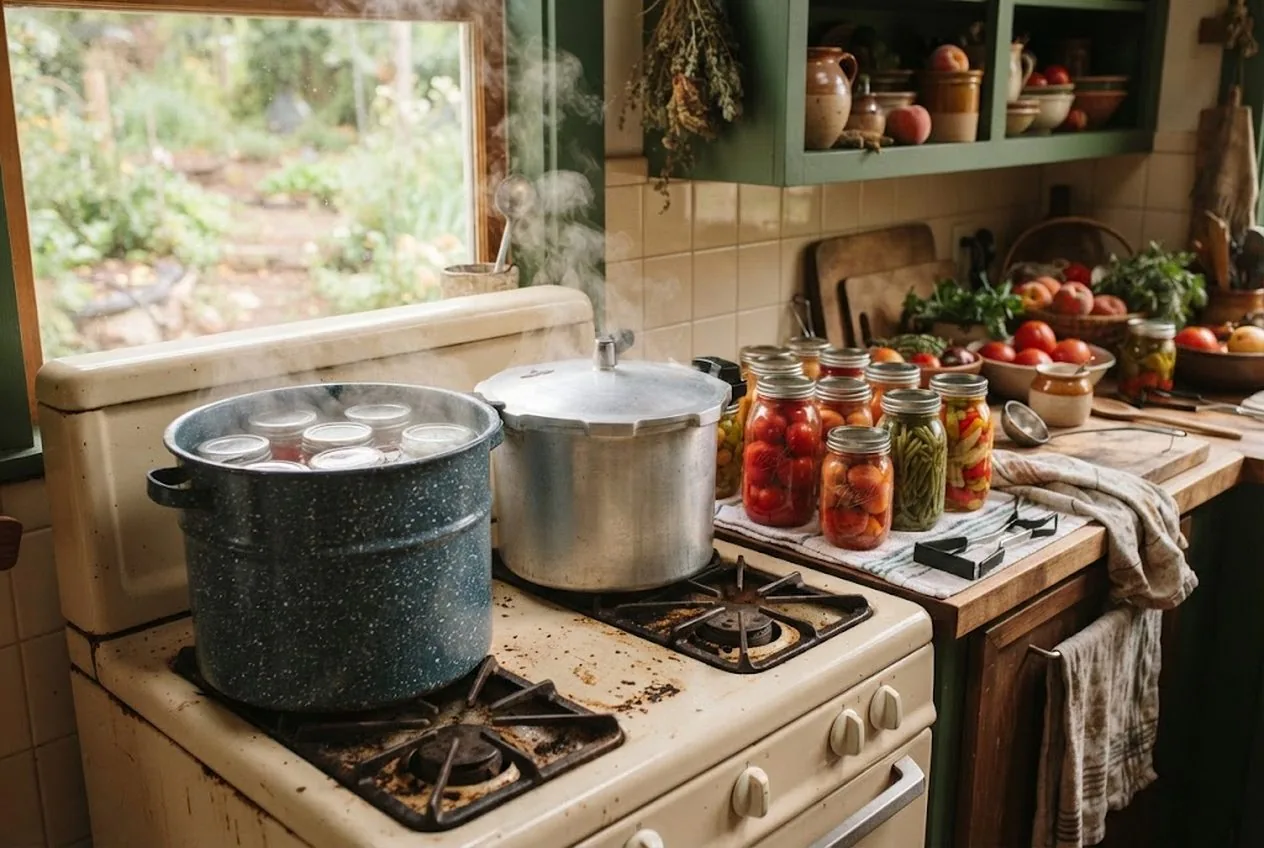
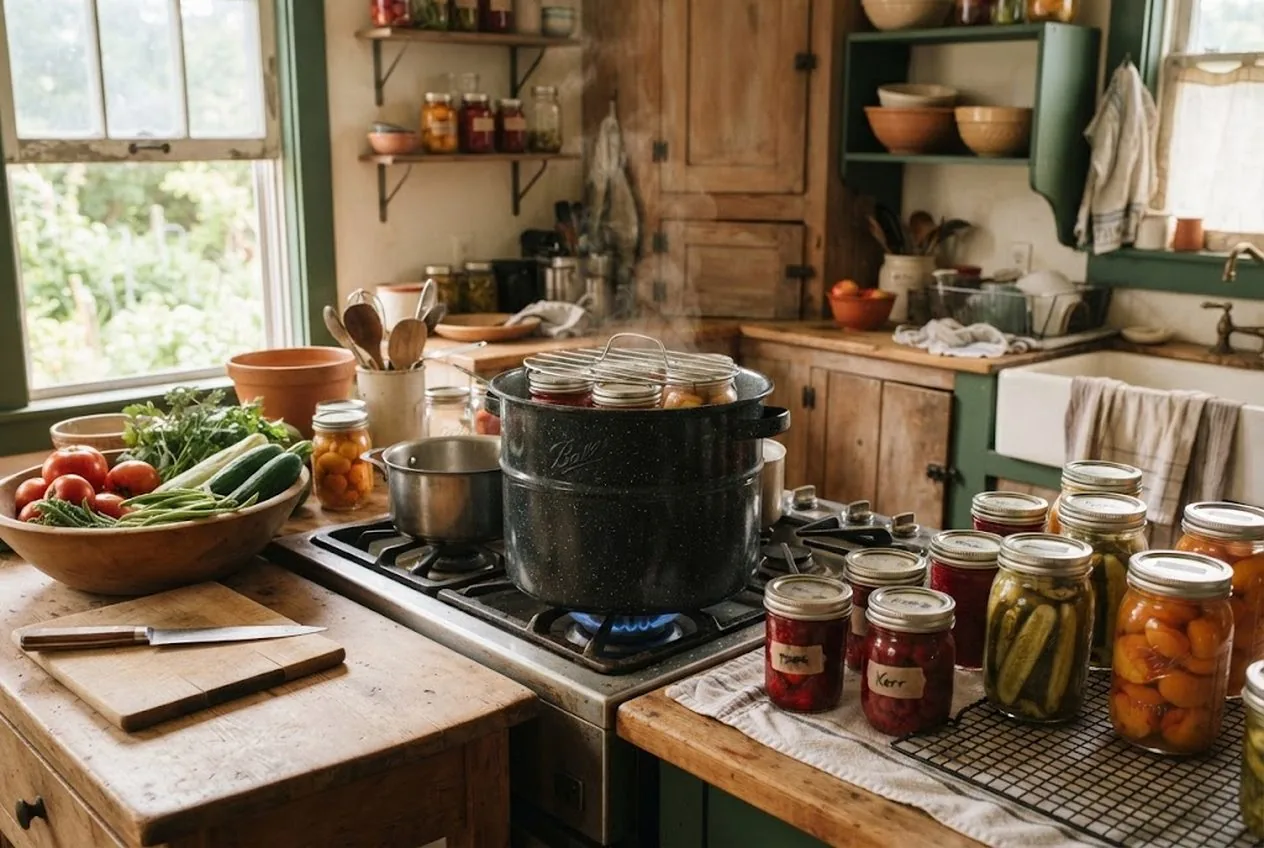
Water-bath vs pressure canning explained: which method is safe for each food, the pH 4.6 acid line, the gear and cost, and how to choose for your harvest.
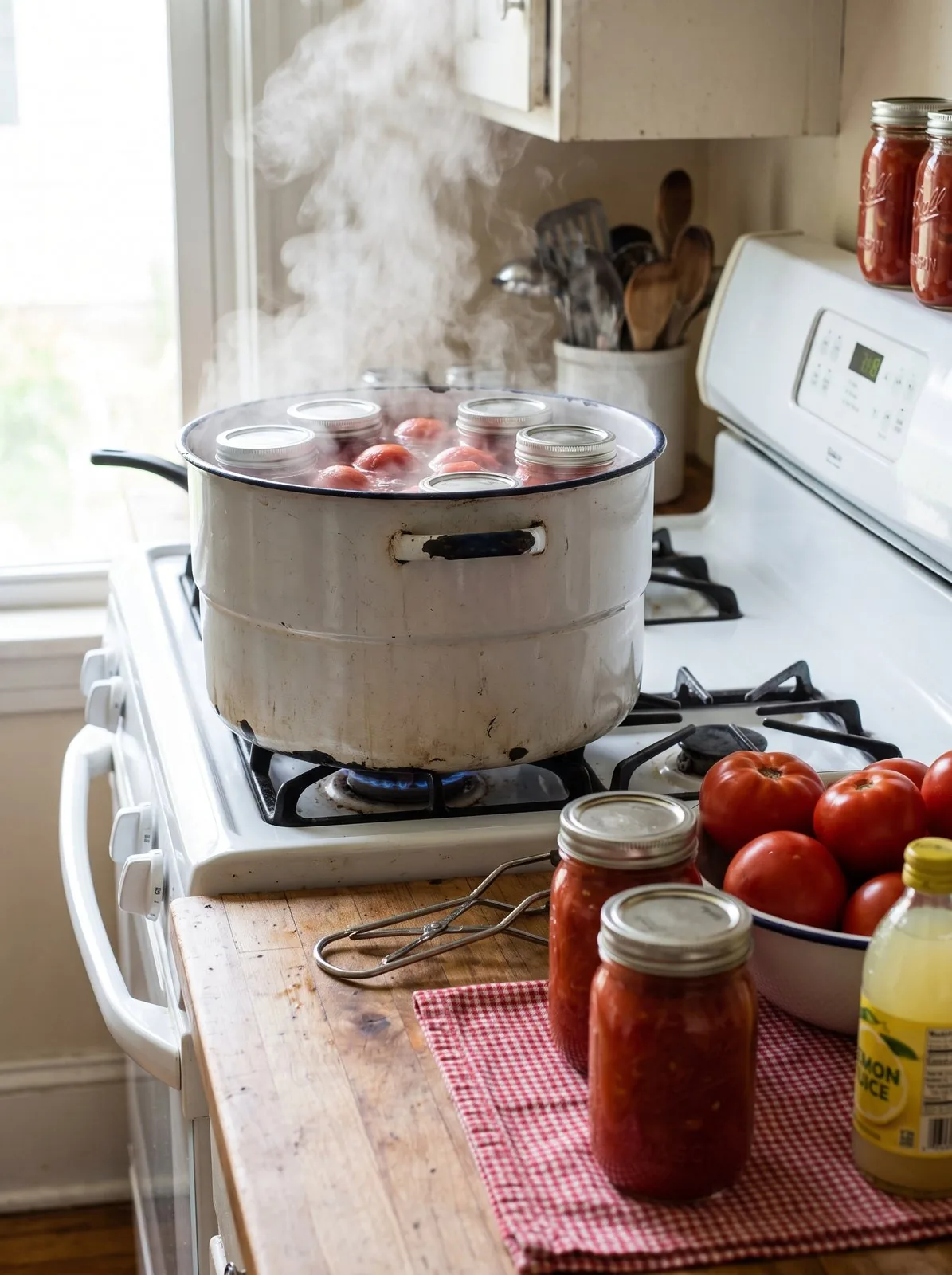
Water-bath canning basics for beginners: which summer-harvest foods are safe, the acid rule, the step-by-step method, headspace and how to check your seals.
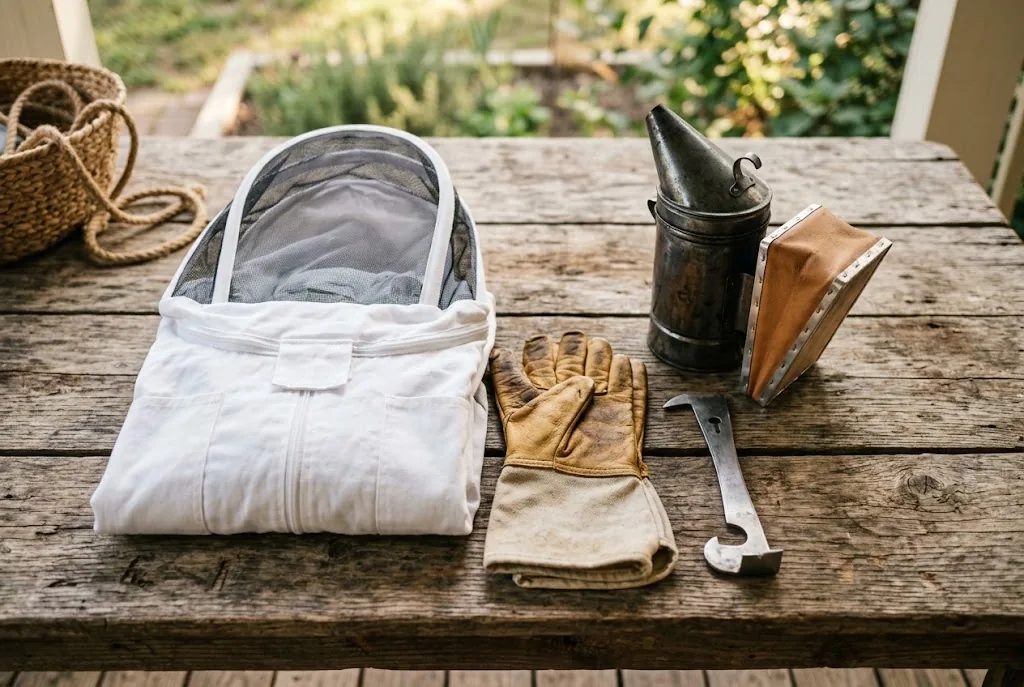
A backyard beekeeping starter checklist for 2026: the hive, safety gear, tools and first-year tasks every new beekeeper needs, in order.
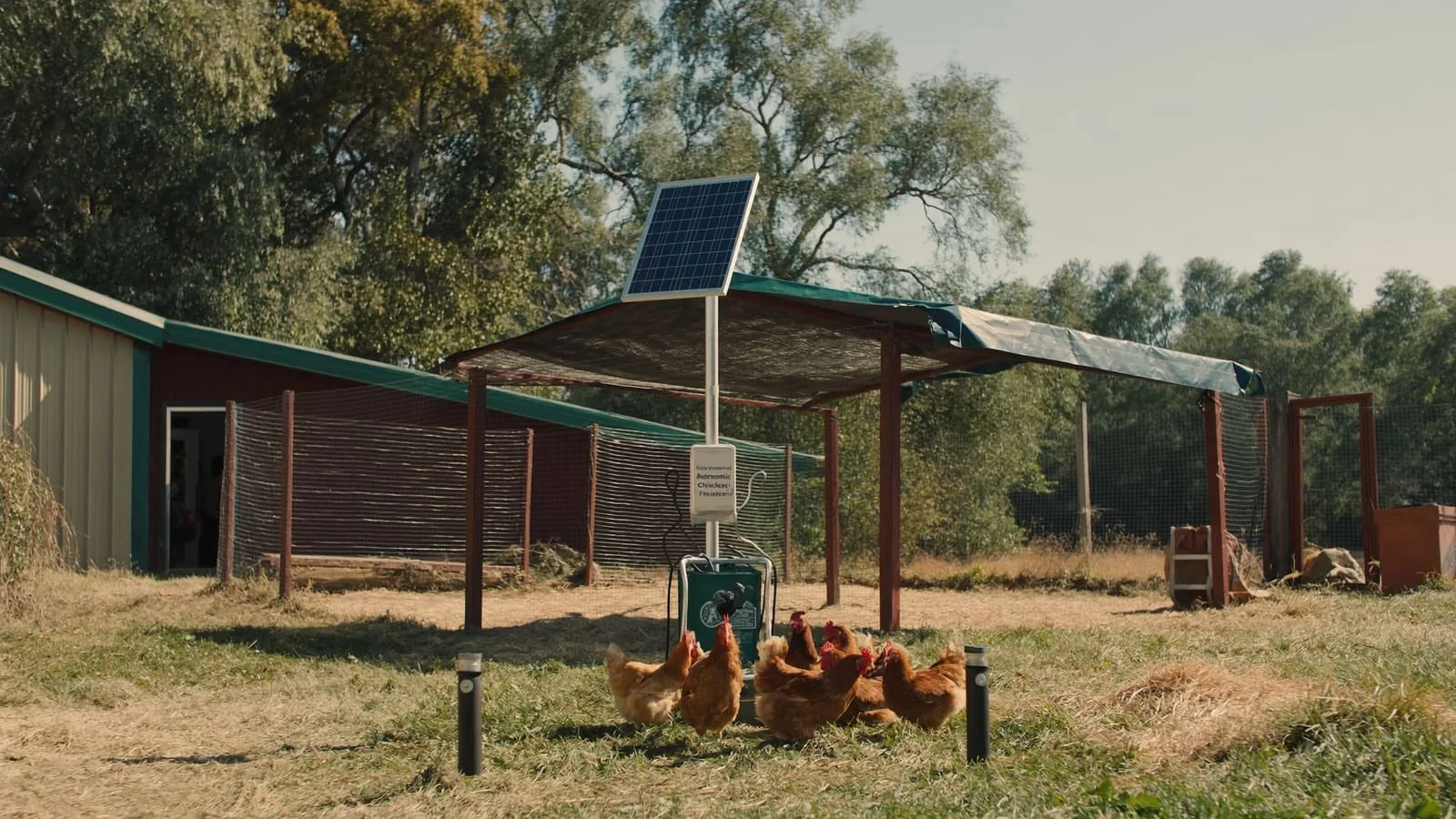
Automate a backyard coop for under $150: a solar panel, automatic pop-door and heated waterer that run off-grid and cut daily chores.
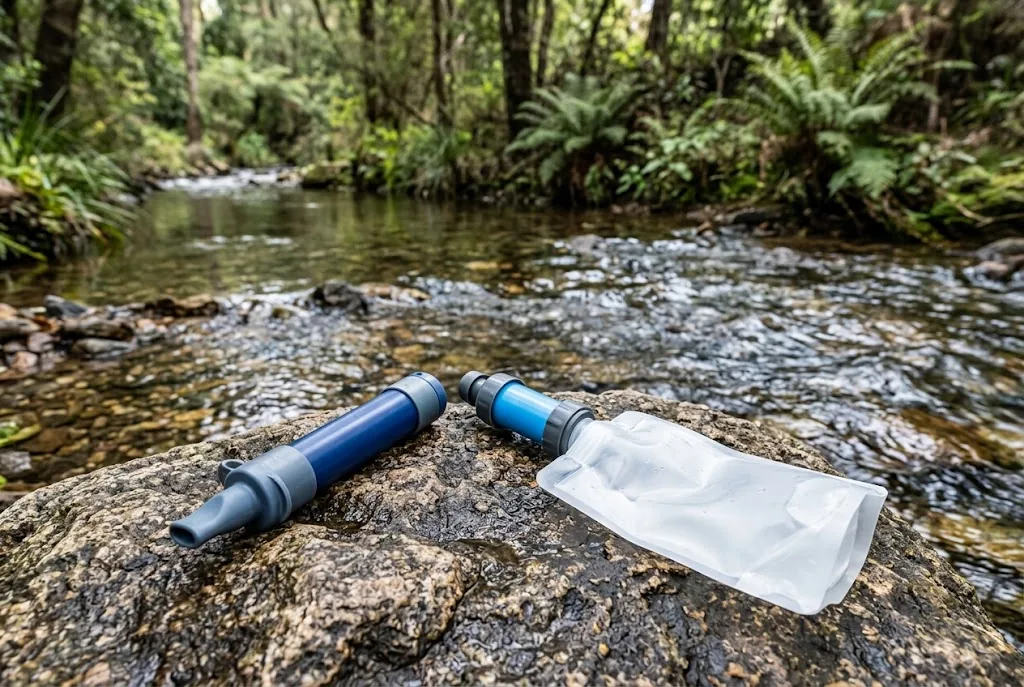
LifeStraw vs Sawyer Squeeze for backyard and emergency water filtration, compared on flow, lifespan, what they remove, and when to size up.
Keep food safe off-grid without a fridge or generator — dehydrating, pressure canning and vacuum sealing plus low-tech cold storage that works.
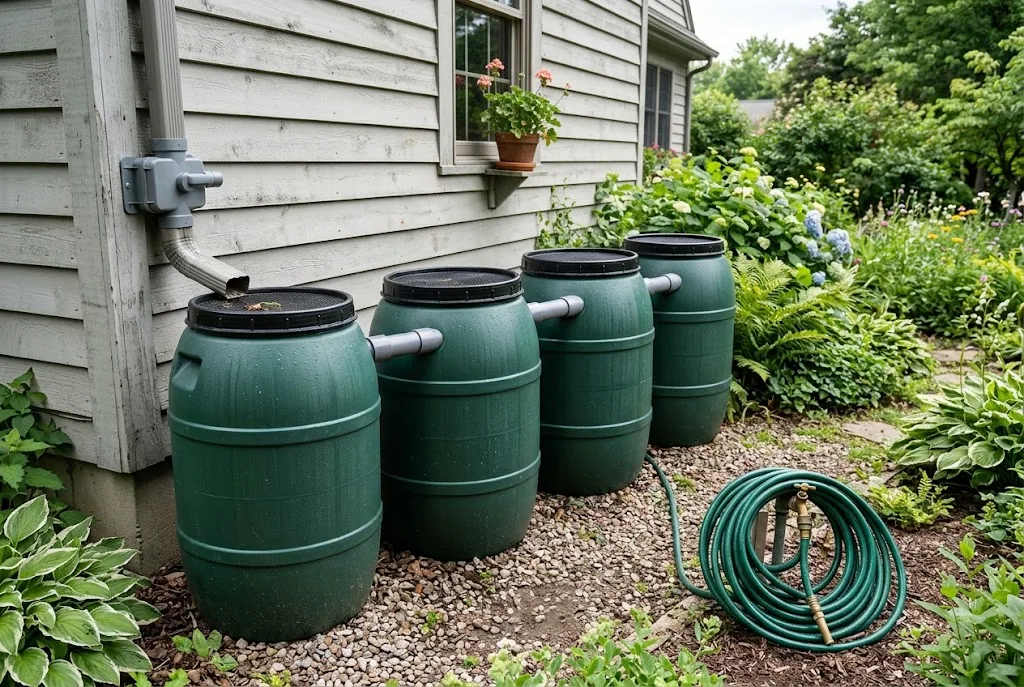
Scale past a single rain barrel: link multiple barrels with a diverter and first-flush kit to store 200+ gallons of free water on a budget.
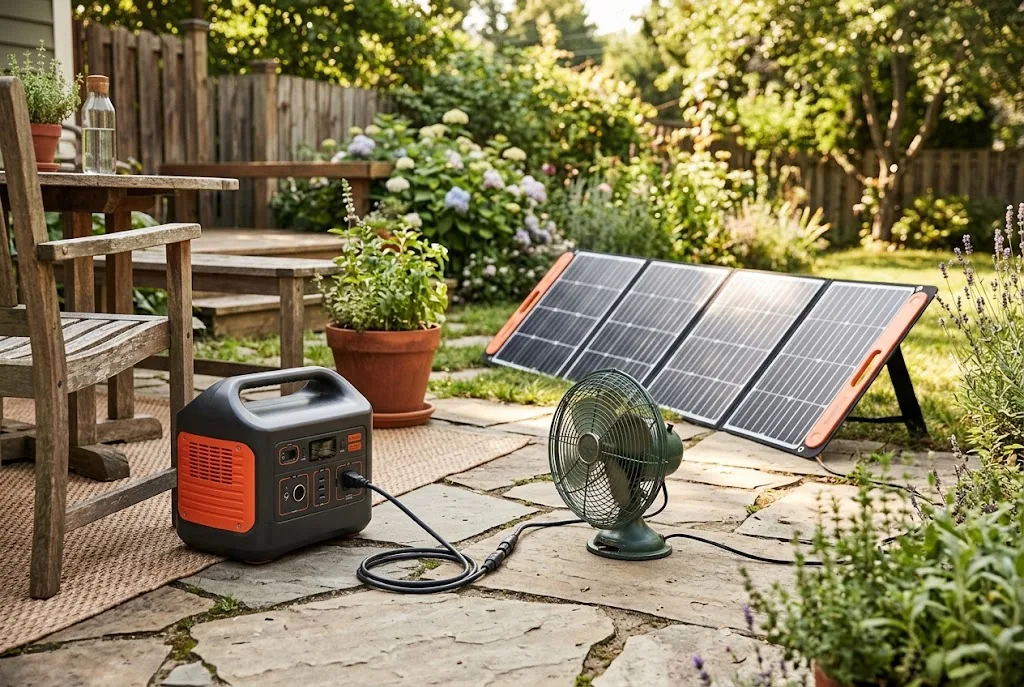
Five portable power setups for a summer blackout, ranked — from plug-and-play stations to a DIY inverter and battery bank, sized to run your real loads.
What to plant in July for a fall harvest: the best heat-tolerant and quick fall crops to sow now, plus days-to-maturity math and hot-weather planting tips.
How much water to store for a heat wave: why the one-gallon rule doubles in extreme heat, storage math by household, safe containers, and rotation.
Water-bath canning tomatoes for beginners: the acid safety rule, step-by-step method, headspace, processing times and altitude adjustments to can safely.
The best portable power stations for a heat-wave blackout, compared: EcoFlow vs Bluetti vs a budget solar generator on capacity, running a fridge, and price.
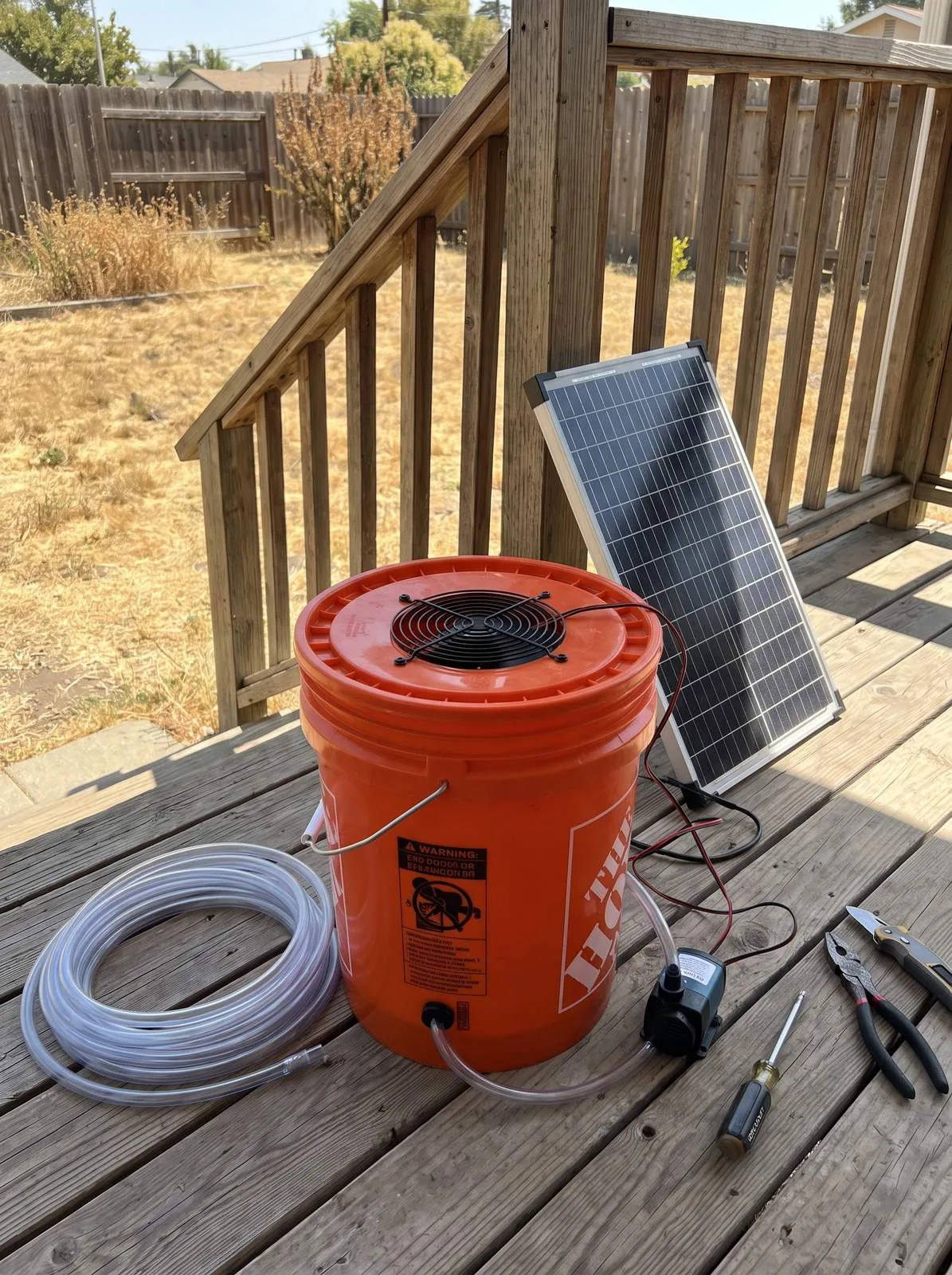
Build a low-cost, solar-powered DIY swamp cooler to stay cool off-grid in a heat wave: parts list, wiring, step-by-step build, and when it works.
The exact water, blackout and garden gear our free checklist and planner name — each with an honest, tracked link and a plain note on what it's for.
How to keep food cold when the power goes out: the 4-hour fridge rule, block and dry ice, coolers, and running your fridge off a power station.
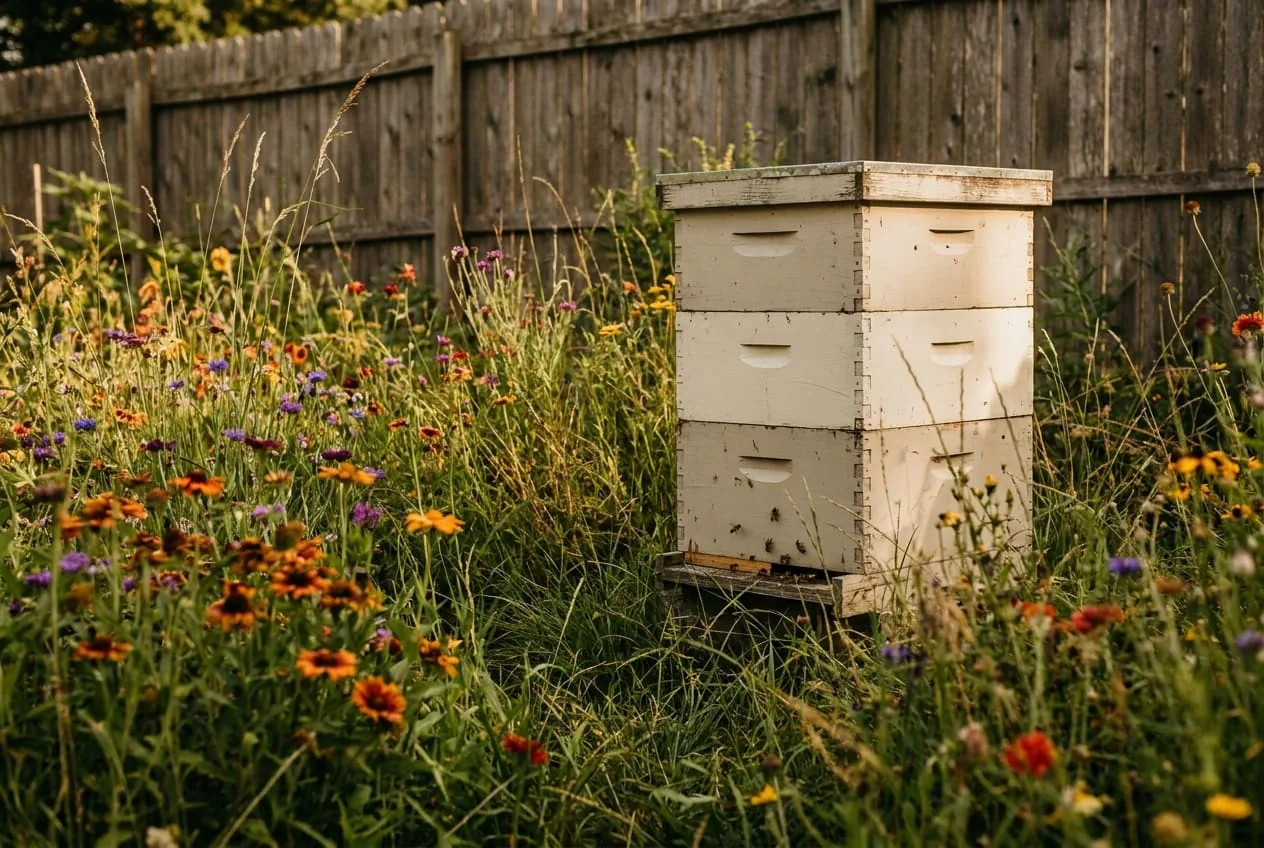
Start backyard beekeeping for under $50 with this budget guide covering hive setup, safety gear, bee sourcing, and first-year management tips.
A 7-step summer blackout prep checklist: power, water, food, staying cool without AC, light, communication and a family plan for a heat-wave grid outage.
Learn how to store emergency water at home using food-grade containers, proper sanitization, and rotation schedules — DIY and budget-friendly.
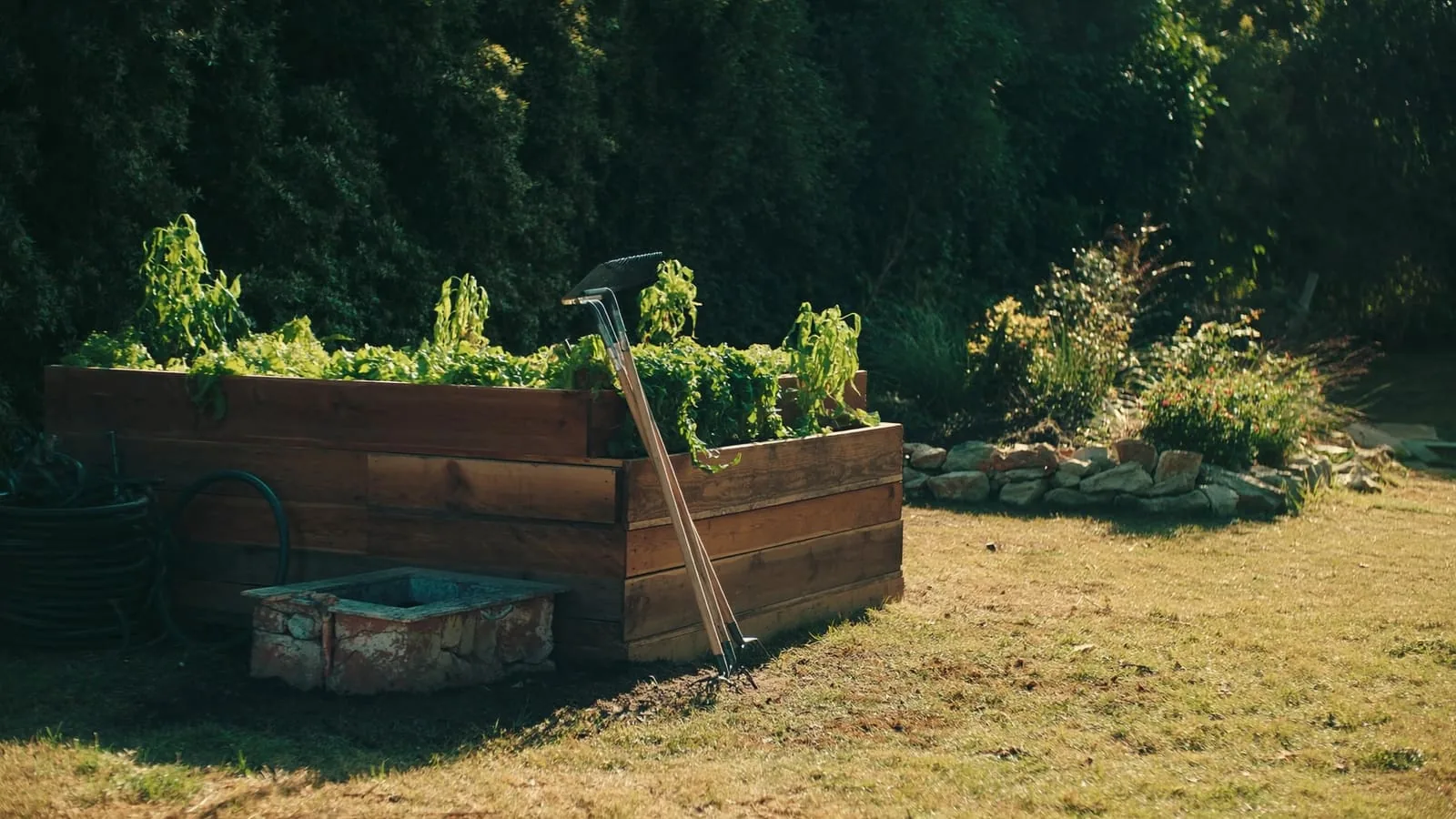
Build a DIY raised garden bed from pallets in one weekend — nearly free, beginner-friendly, and ready to grow vegetables from safe HT-stamped wood.
Build a solar-powered automatic chicken feeder in one weekend. Step-by-step DIY guide with parts list, wiring tips, and a timer setup that runs off-grid.
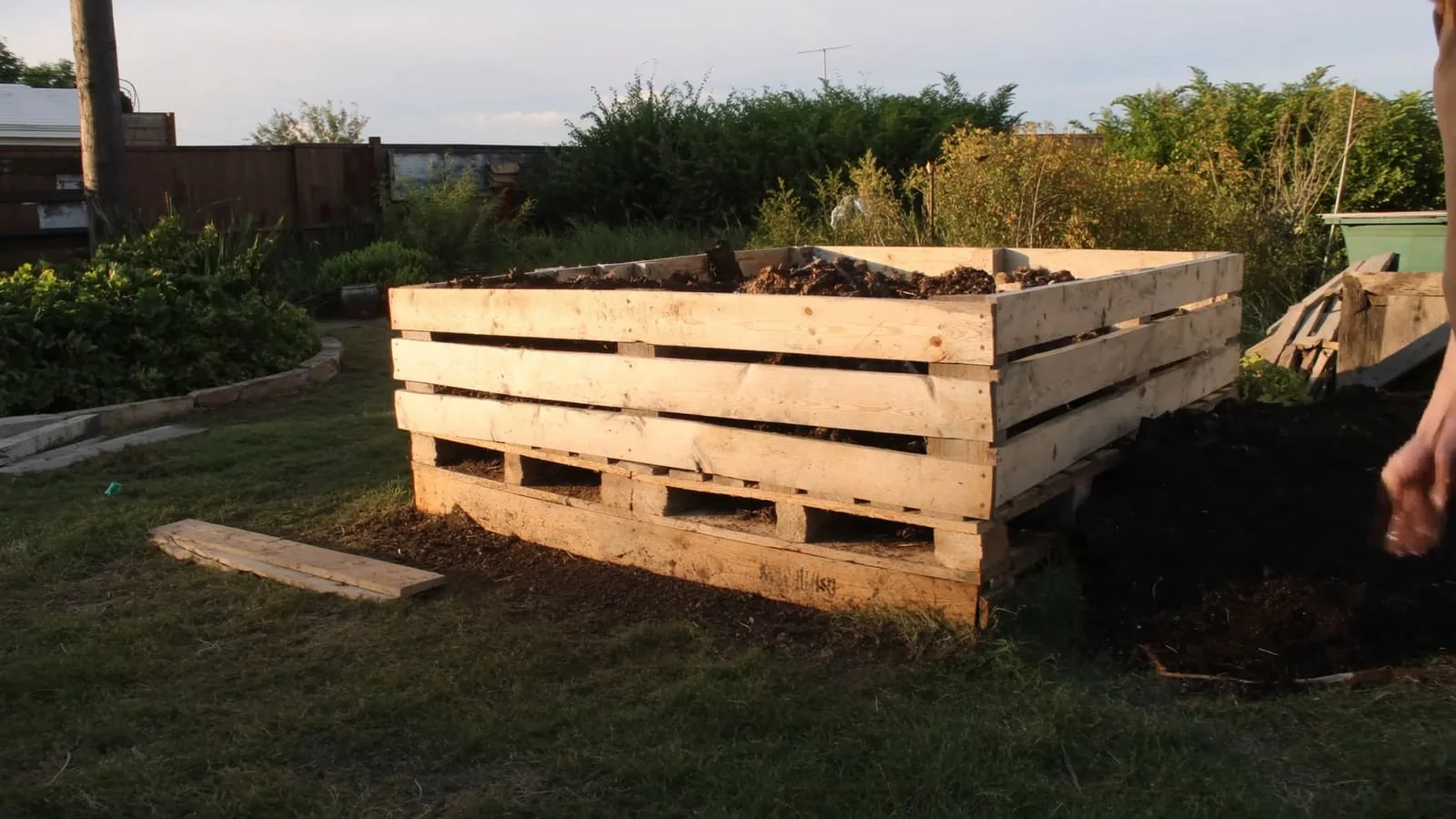
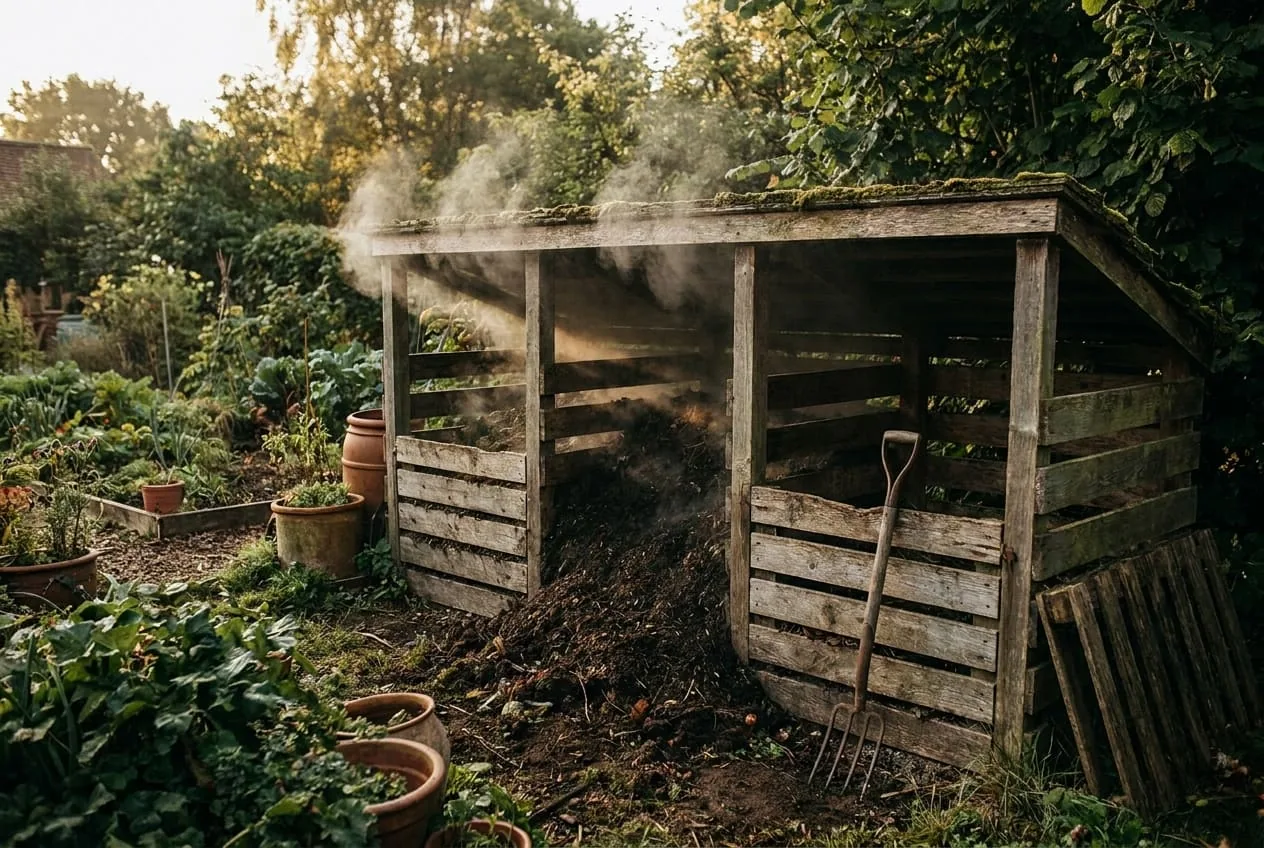
Build a DIY compost bin for free using pallets, cardboard, and wire. Turn kitchen scraps into rich garden compost with this step-by-step guide.
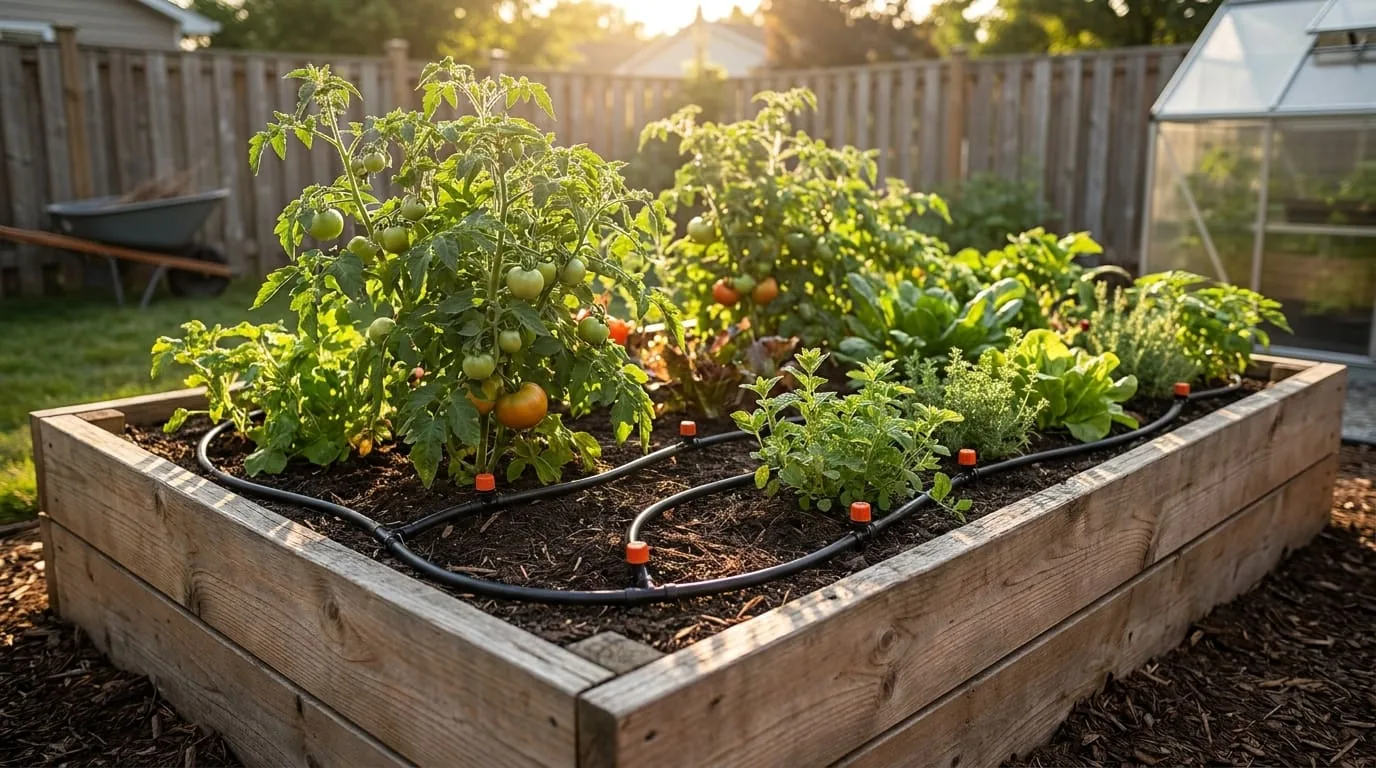
Set up a DIY drip irrigation system in one afternoon. Uses 20–50% less water than sprinklers and automates watering. Step-by-step guide.
Build a DIY rain barrel system for under $50 that collects hundreds of gallons of free water for your garden. Step-by-step guide with product picks.
How to start backyard beekeeping without losing your colony in year one: equipment, hive setup, sourcing bees, seasonal care, and the mistakes to avoid.
The complete guide to backyard composting: hot piles, cold bins, and three-bin systems — what to add, what to skip, and how to get finished compost in weeks.
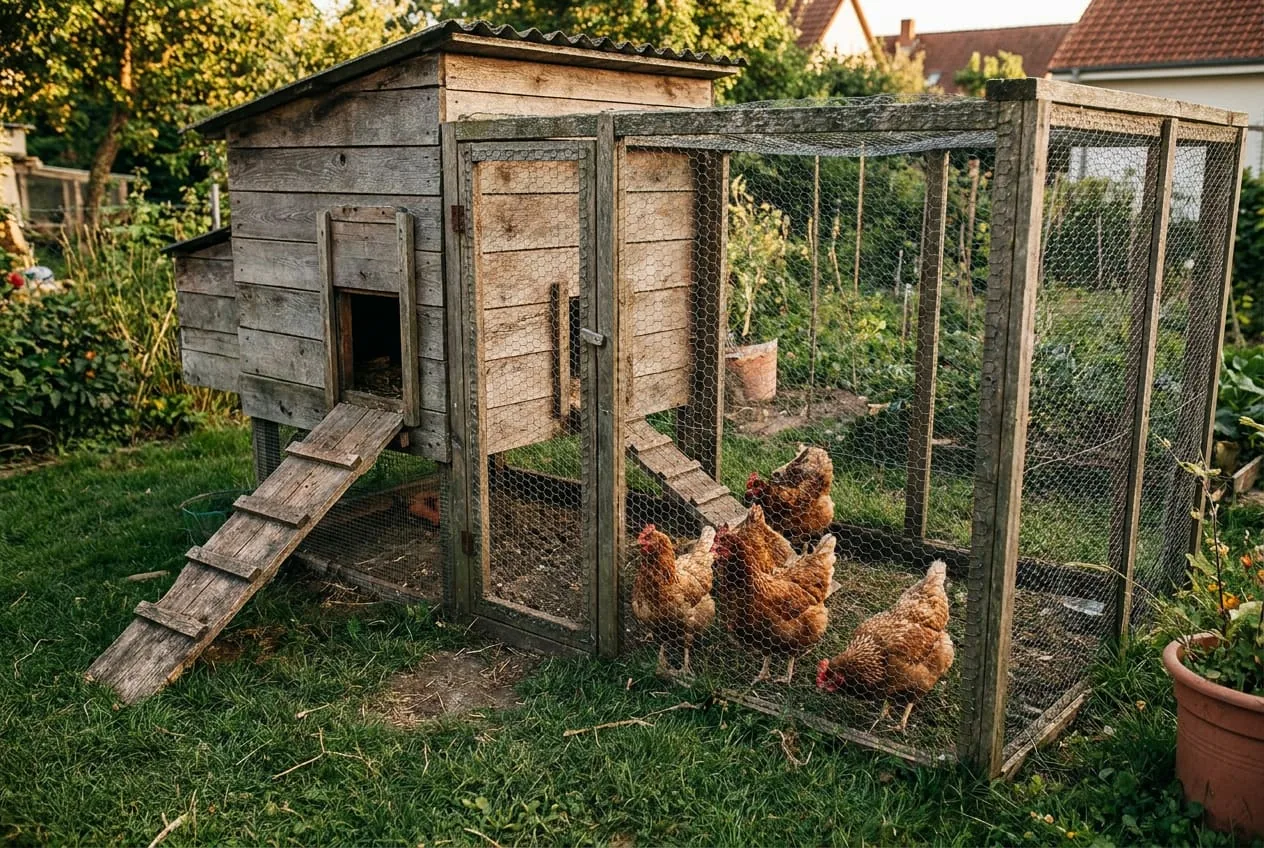
Build a predator-proof DIY backyard chicken coop for 4–6 hens — space requirements, ventilation, nesting boxes, and raccoon-proof hardware.
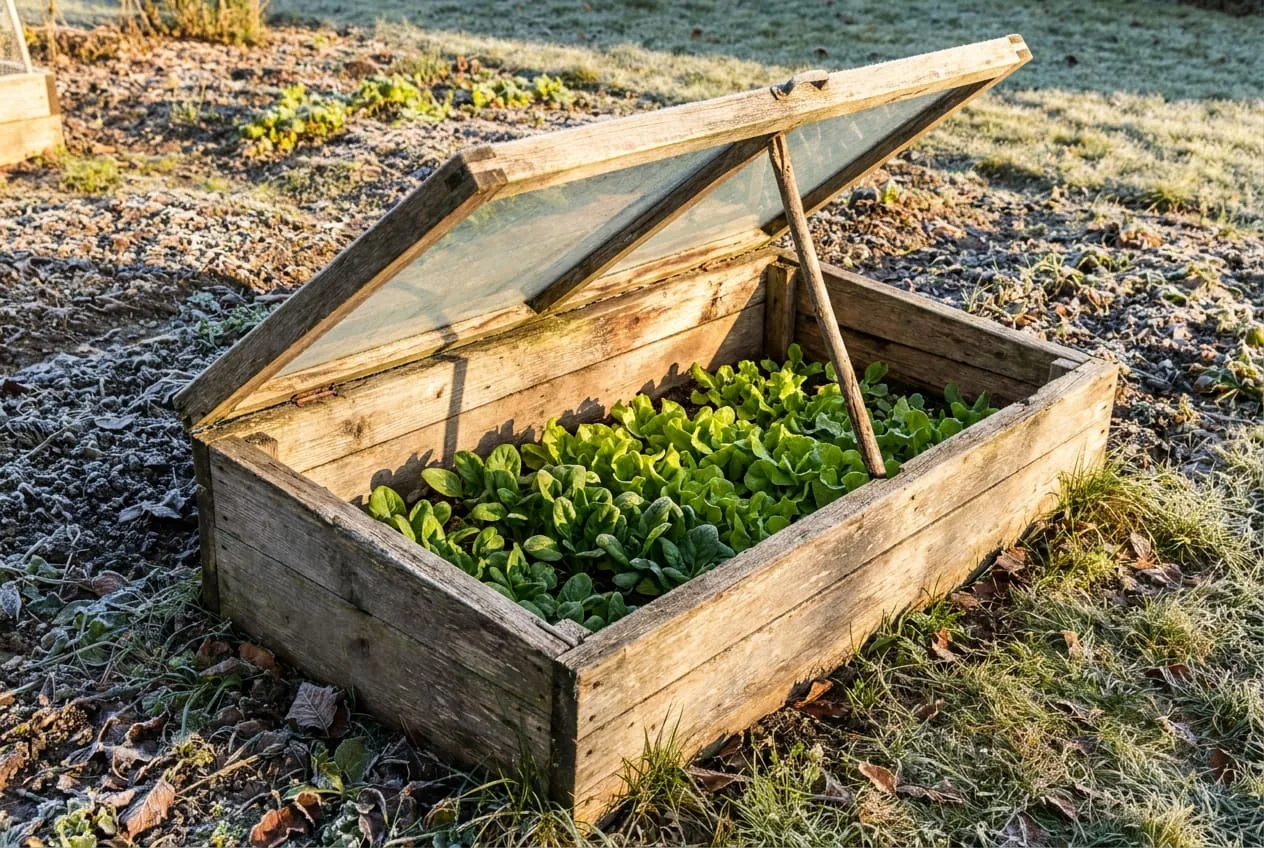
Build a DIY cold frame that keeps greens growing through frost. Two budget designs, a winter planting chart, and the ventilation rule that saves crops.
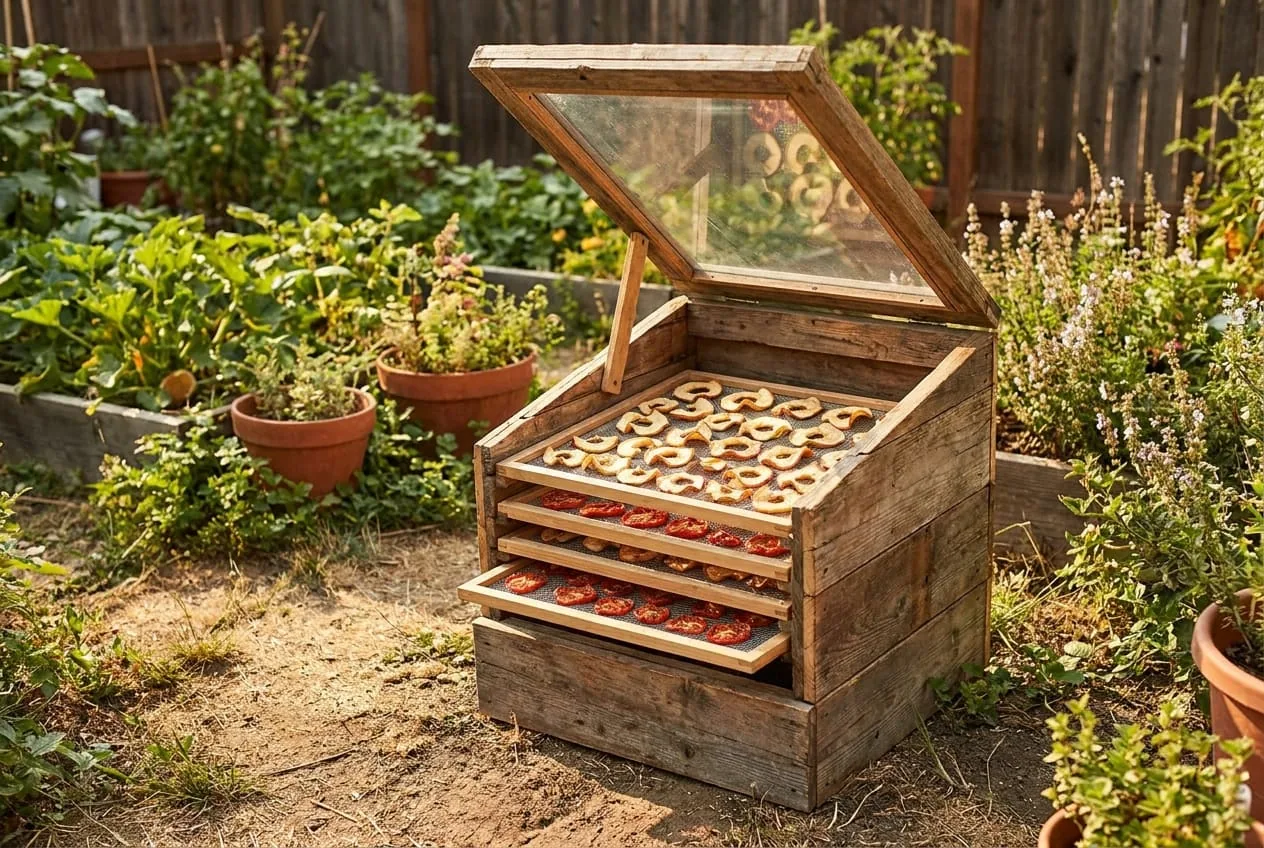
Build a DIY solar food dehydrator. Two proven designs, full materials list, realistic drying times, and USDA food safety basics.
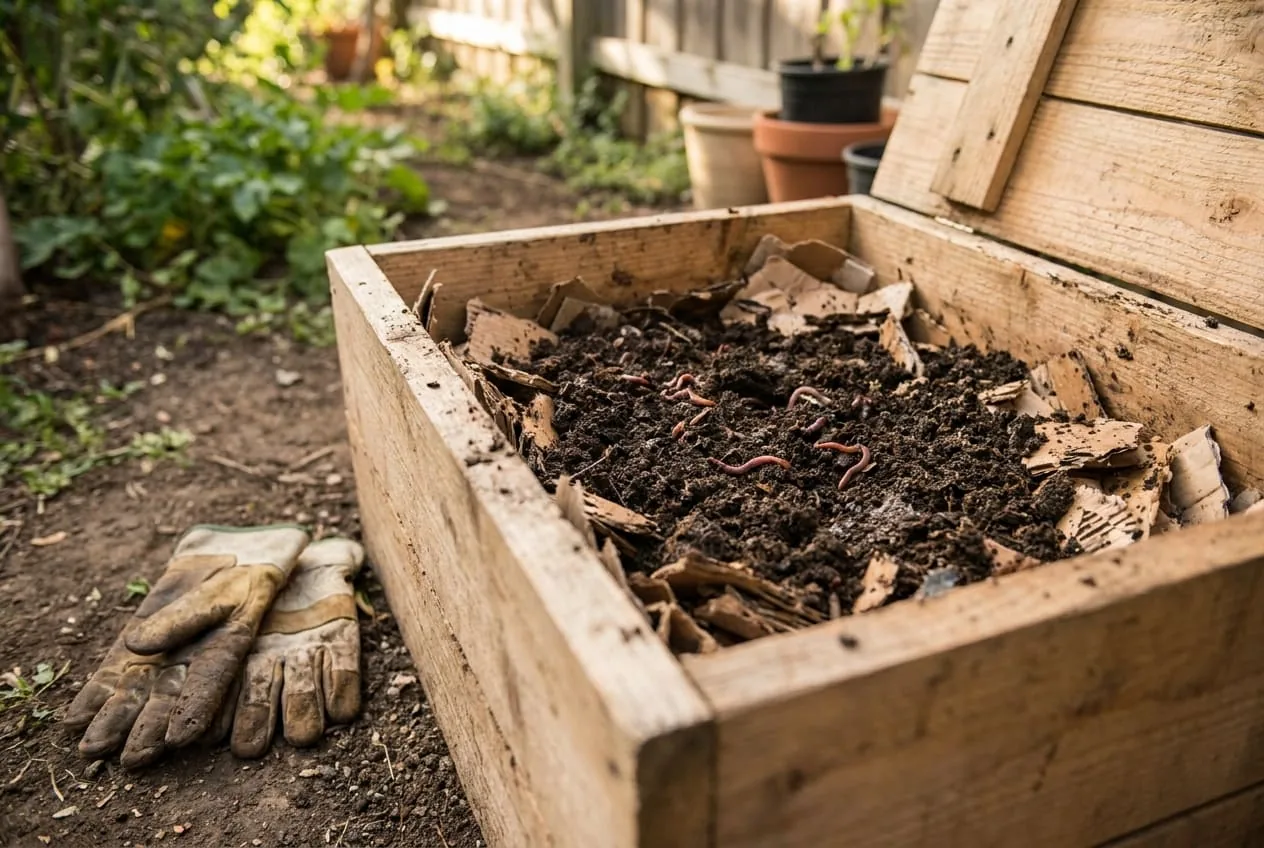
Build a vermicomposting worm bin for under $30: what to feed red wigglers, how to harvest castings, and how worm compost differs from regular compost.
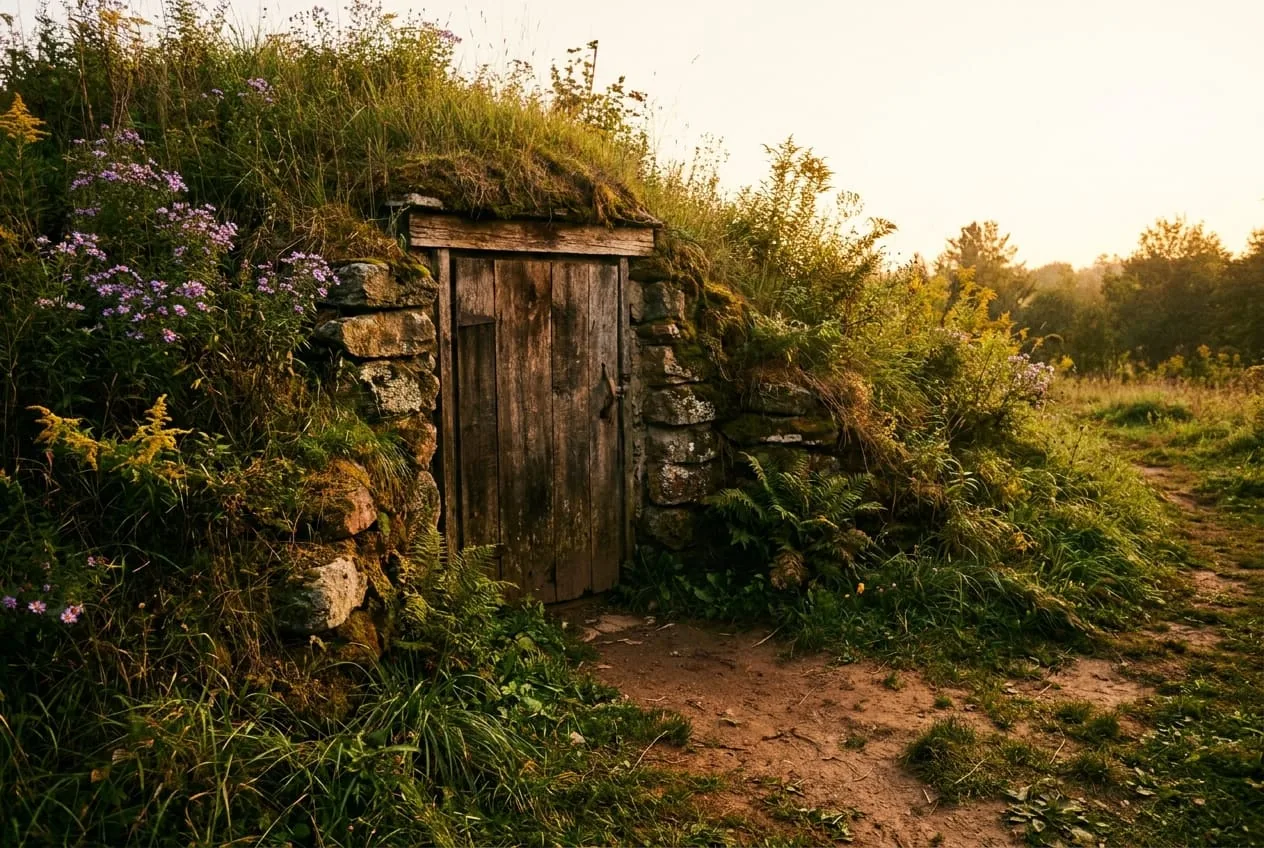
Four root cellar designs from a $30 buried barrel to a full basement build — real costs, ideal storage temps, and the mistakes that rot your harvest.
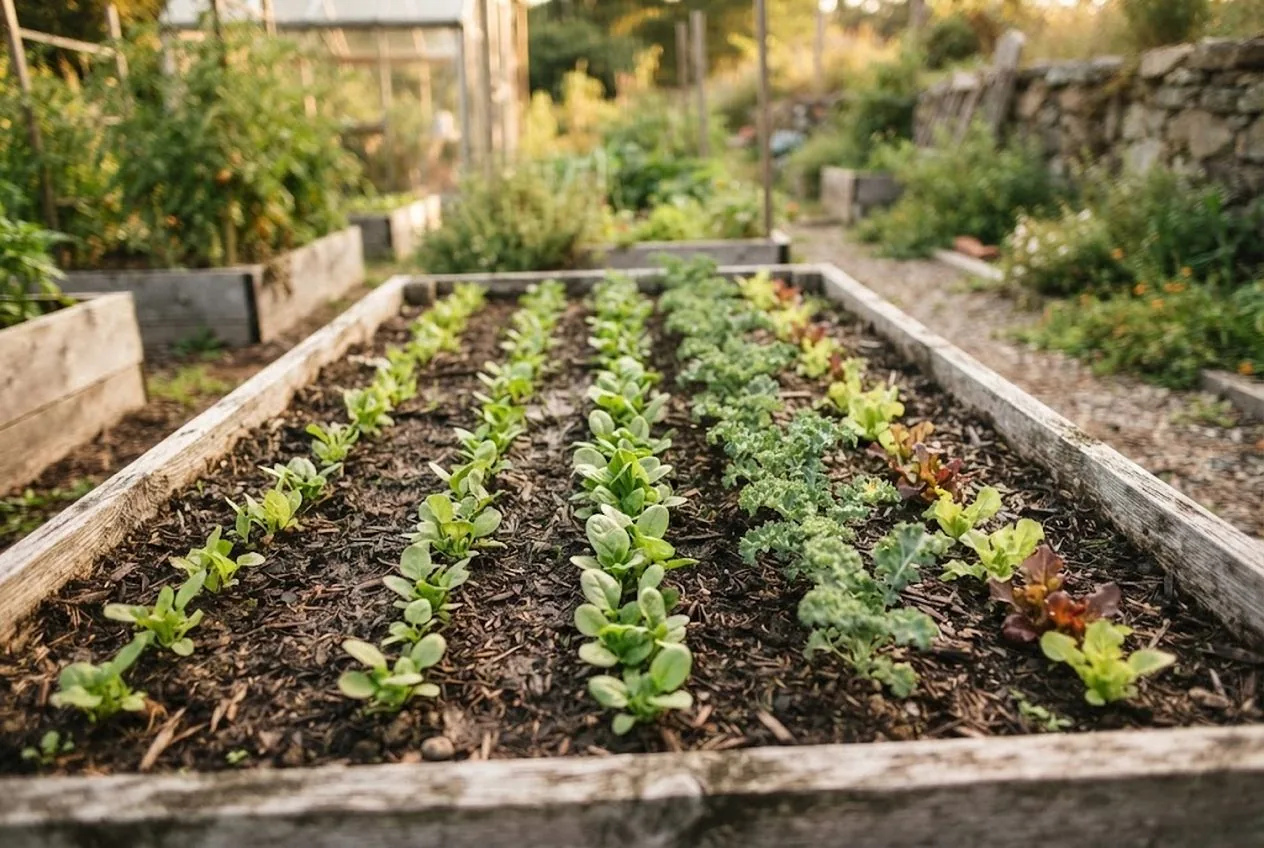
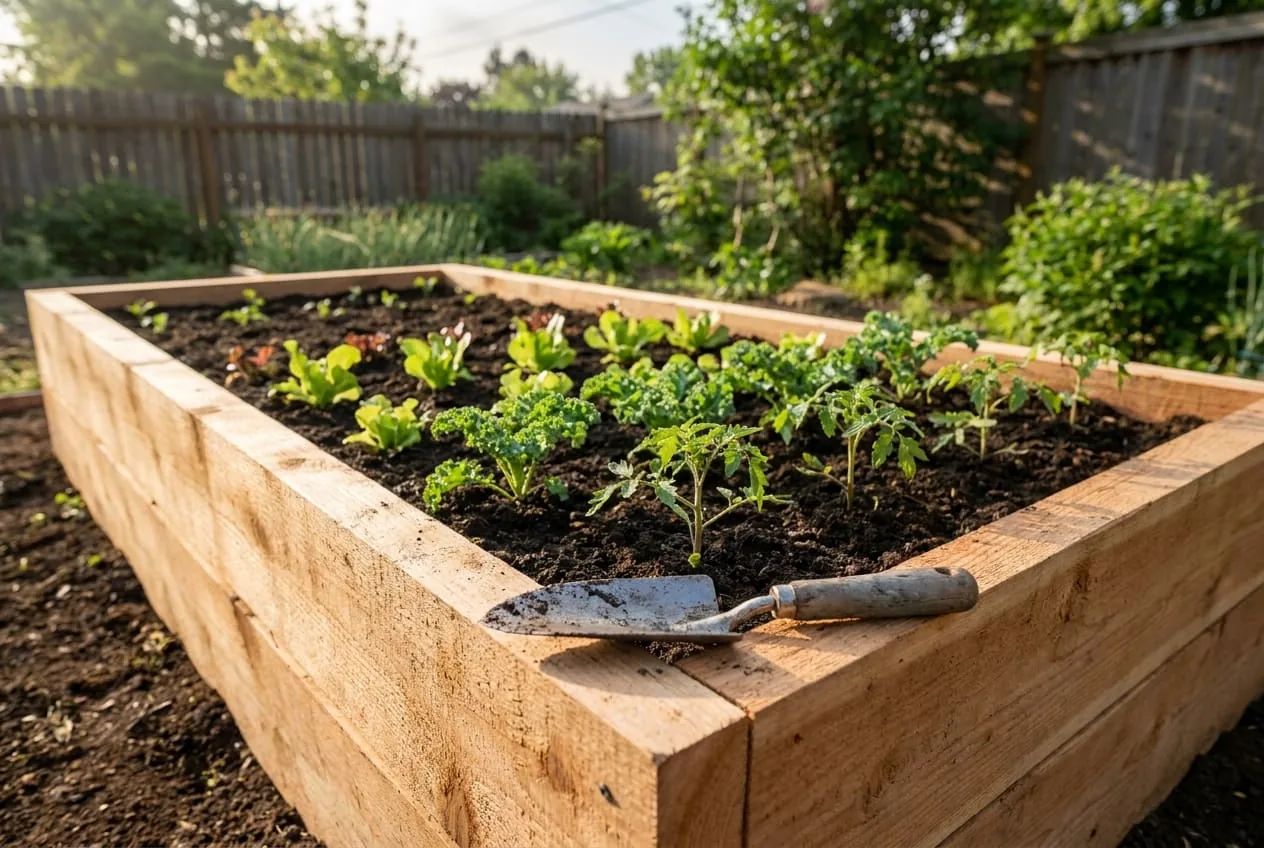
How to build a raised bed garden from scratch — the right dimensions, which wood to use, and the classic soil mix to fill it with.
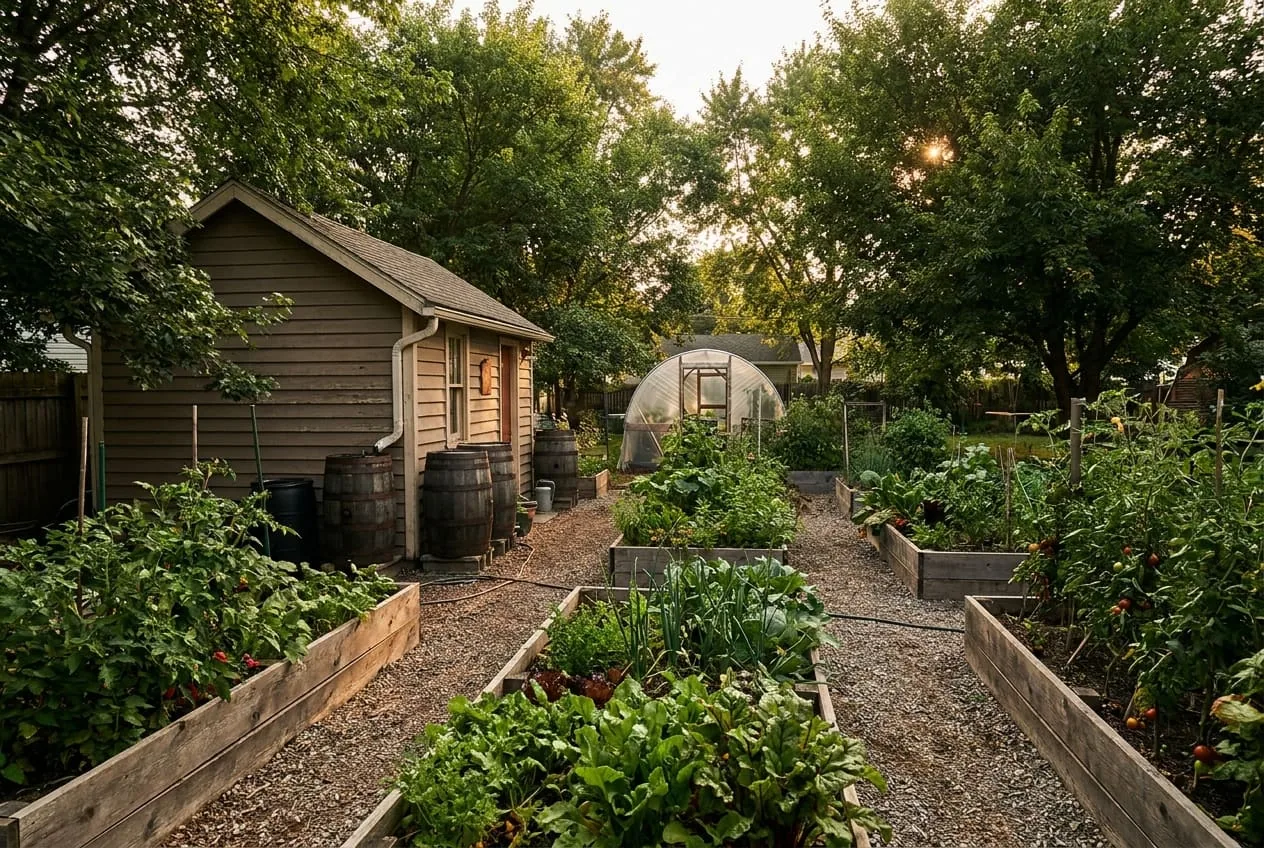
Start a self-sufficient backyard from scratch: soil building, food growing, preservation, root cellar storage, and chickens — in the order that actually works.
The 10 best first projects to start a self-sufficient backyard, ranked by ROI — realistic startup costs, annual savings, and payback times for each.
The 8 long-term food storage mistakes that quietly destroy stockpiles — heat, oxygen, pests, and rotation failures — plus what each one costs you in dollars.
Self-Sufficient Backyard vs. Backyard Liberty compared: authors, scope, price, refunds — and why one 265-page manual beats the pen-name aquaponics guide.
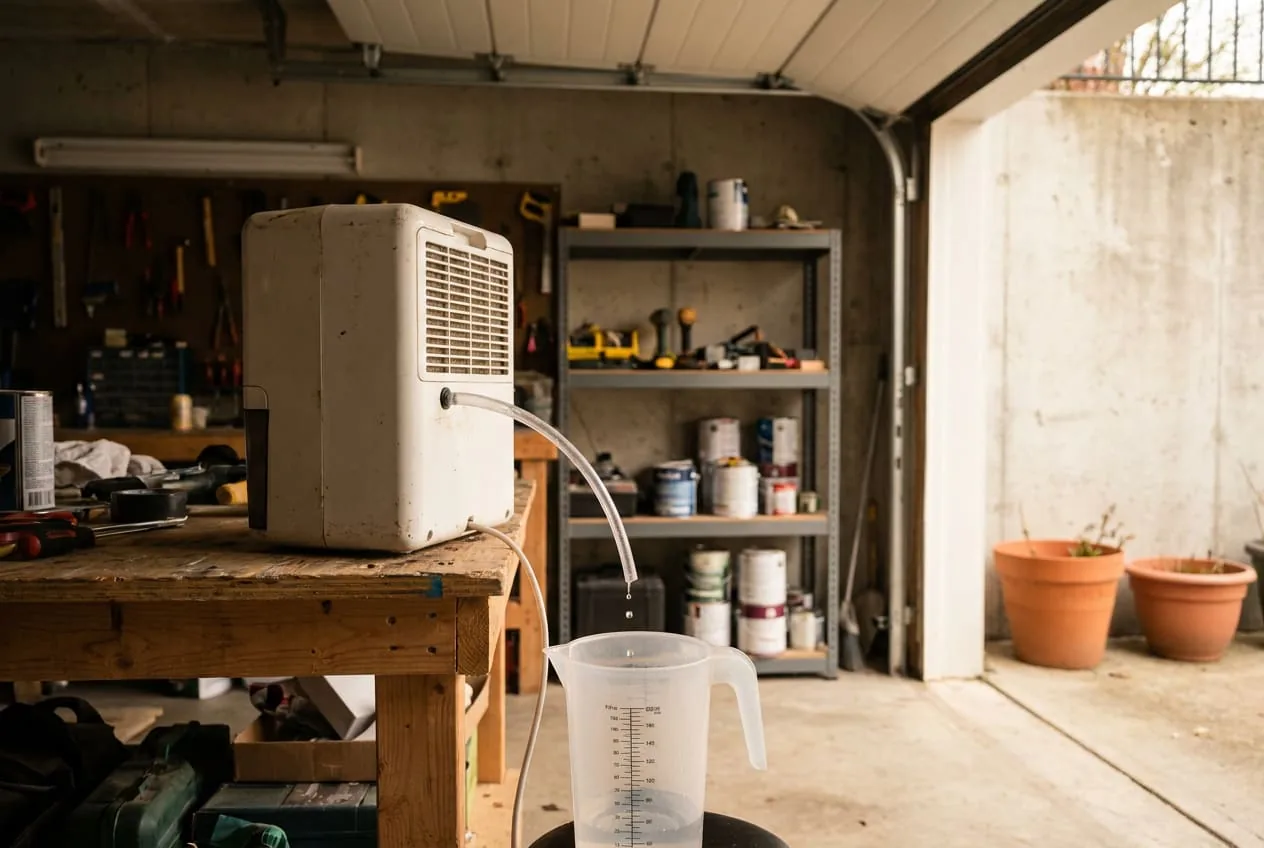
How much water a DIY atmospheric water generator really makes: 1-5 gallons a day in most climates. Published numbers on output, power cost, and safety.
Six time-tested ways to preserve food without electricity — with realistic shelf lives from USDA and NCHFP guidance, not sales-page exaggerations.
Rain catchment vs. atmospheric water generators: real-world yield, cost per gallon, and why most homesteads should build rain collection first.