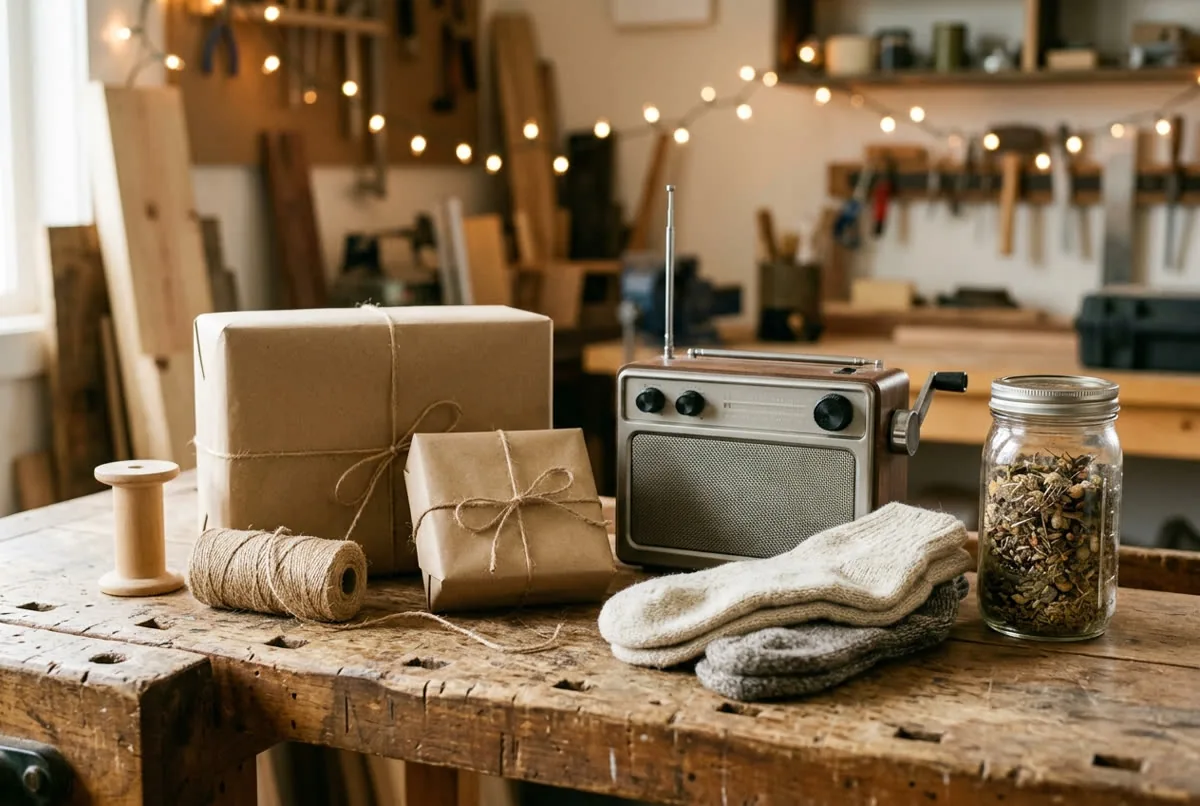
Shopping for the prepper or homesteader in your life gets harder every year, because they’ve usually already bought the obvious stuff themselves. A gift card feels impersonal, and a tactical-looking gadget from a doomsday catalog usually ends up unopened in a drawer. Most people shopping this list aren’t looking for something dramatic; they’re looking for something that will actually get picked up and used. I look for gifts that quietly upgrade what someone is already doing, not add another box to the shed.
The short answer: The best gifts for a prepper or homesteader are quiet, practical upgrades to food storage, water, and backup power, plus a well-tested reference book, not tactical gear or doomsday-themed novelties.
Why This Is the Right Week to Shop This List
Holiday shopping in the US builds through November toward the five days from Thanksgiving Day through Cyber Monday, a stretch that drew a record number of shoppers in 2025 (National Retail Federation). This year Thanksgiving lands on November 26 (OPM), which puts Cyber Monday on November 30. That timing shows up every year, since Cyber Monday always falls on the Monday after Thanksgiving, which points to a stable annual pattern rather than a new trend. Nothing about the calendar itself is new this year, and it wouldn’t be honest to pretend otherwise.
What’s actually new here is the format, not the calendar. Backyard Freedom Lab covers skills, builds, and gear reviews, but none of it has been organized as a gift guide until now. That gap is the point of this list: pulling the kind of gear and books this site already covers into something a spouse, sibling, or adult child can shop from without wading through technique articles on canning acidity or coop wiring. You don’t need to know the difference between a pressure canner and a water-bath canner to use this guide; you just need to know roughly where the person on your list already spends their time.
What Actually Helps a New Homesteader or Quiet Prepper
The gifts that get used are the ones that make an existing habit easier, not the ones that announce a hobby. Many of the most useful gifts in this space are quiet resilience tools: food preservation gear, backup lighting, and practical books, rather than anything built around fear or tactical branding. If the person on your list already gardens, cans, keeps chickens, or has assembled a blackout kit, the best gift extends that specific habit instead of starting a new one. A gift that starts an entirely new habit, on the other hand, usually requires the recipient to build a routine around it from scratch, and that’s a much bigger ask than most gift-givers realize.
Food Storage and Preservation Gifts
A homesteader who already gardens or raises a few animals gets more use out of preservation gear than almost anything else, because it plugs directly into a harvest they’re already bringing in. A manual grain mill turns stored grain into usable flour without depending on power. A dehydrator handles the overflow from a good garden season, the tomatoes and herbs that would otherwise go soft in the crisper drawer. A bundle of mylar bags and oxygen absorbers extends the shelf life of dry pantry staples for long-term storage (USU Extension). None of these require explaining what they’re for or why someone would want one; anyone already canning or freezing garden produce will recognize the gap they fill immediately.
Water and Backup Power Gifts
Water and power gifts read as thoughtful rather than alarmist when they’re framed as backups, not bunker gear. A hand-crank weather radio is a good example: it’s on Ready.gov’s basic emergency supply kit list (Ready.gov), BFL’s own review covers one worth keeping by the door for outages, and it works whether the recipient is a serious prepper or just someone who loses power in storms (hand-crank weather radio review). A manual well pump attachment or a gravity-fed water filter fills the same quiet-backup role for anyone already thinking about grid-down water access (manual hand pump for well water). Stick to low-voltage DC gear for anything power-related; mains AC wiring, sockets, and breakers are a licensed electrician’s job, not a gift-wrap job, and no gift guide should ever suggest otherwise.
Skill-Building Books and Homestead Upkeep
Books remain one of the safest, least gimmicky gifts in this category, because they let the recipient set their own pace instead of handing them one more piece of equipment to store. BFL has reviewed several: The Lost Frontier Handbook, the Rebuilding Civilization guide, and Backyard Liberty are all reference-style reads rather than one-time projects, which makes them easy to reread as the recipient’s own projects change year to year.
For the more hands-on recipient, a beekeeping starter checklist or a coop door upgrade fits the same category: useful, specific, and tied to something they’re already doing (backyard beekeeping starter checklist, automatic coop door vs. manual). An automatic coop door in particular solves a real daily chore rather than adding a new one, since it removes the twice-daily trip to open and close the run. Rounding out the list: a compost system starter kit and a winter ice-melt and walkway kit solve a real seasonal problem without any doomsday framing at all (backyard compost system, ice melt and winter walkway prep). Both are the kind of gift that gets used within the first week rather than stored for a hypothetical emergency.
How to Choose Between Books, Tools, and Small Gear
Match the gift to where the person actually is, not where you assume they are. Someone brand new to homesteading or quiet prepping usually gets more value from a book or a small, single-purpose tool than from a big piece of equipment they haven’t earned the routine for yet; a dehydrator is wasted on someone who hasn’t started gardening. Someone who’s been at it for years already owns the beginner gear, so a book fills a different gap: it adds depth on a subject they’ve already started, like canning acidity or livestock care, without cluttering the shed with a duplicate tool they’ll never use.
A curated list grounded in specs and safety guidance is different from a thin sales pitch, and the difference shows up in whether the gift gets used six months later. If you’re unsure which stage the person is at, ask what they’ve been reading or watching lately, or what chore they complain about most. Either question usually tells you more than any gift-guide ranking, because it points at a real, specific gap instead of a generic category.
Low-Noise, Non-Tactical Gifts That Still Support Preparedness
Yes, and that’s deliberate. The gifts in this guide are not built around grid-down scenarios, militia-style gear, or firearms; they’re built around things a homesteader or quiet prepper already does on a normal week. A weather radio, a water filter, a dehydrator, or a reference book all support preparedness without saying so on the box, which matters for a recipient who doesn’t identify as a “prepper” out loud but still values self-reliance. That’s the point: most stockpiles don’t fail in a crisis, they fail years earlier, quietly, because the gear never got used or the skill never got practiced. A gift that gets picked up and used regularly does more for someone’s actual readiness than a dramatic one-time purchase that sits in a closet waiting for a scenario that may never come.
How to Avoid Gimmicky or Fear-Based Products in This Niche
Skip anything marketed with urgency language, apocalyptic branding, or vague claims about being “off the grid” without specifics. A legitimate product tells you what it actually does: how many gallons a filter processes, how long a radio runs on a hand crank, or what a book actually covers chapter by chapter. If a listing leans on fear instead of specs, treat that as a signal to look elsewhere rather than a sign of seriousness. The same goes for anything promising results that sound too easy; a real dehydrator or grain mill still takes effort to use well, and a product that claims otherwise is usually overselling. When in doubt, look for a specific claim you could actually verify rather than a vague promise about surviving anything.
What’s a Reasonable Budget Range for These Gifts
Think in three tiers rather than a single price point. An entry-level gift, like a set of mylar bags or a small hand tool, works well as a stocking stuffer or an add-on to a bigger present, and it’s a safe choice when you’re not sure how far along the recipient’s setup already is. A mid-range gift, like a dehydrator, weather radio, or a coop door upgrade, works as a standalone present for someone building out a specific area of their setup, and it’s usually the sweet spot for a sibling or close friend. A larger investment piece, like a manual well pump system or a full food-preservation bundle, makes more sense as a shared or family gift than a single stocking item, since it benefits the whole household rather than one person’s individual project. None of these tiers require guessing at a single “right” price; they scale with how established the recipient’s homestead or prep routine already is, and it’s fine to ask directly which tier makes sense before you buy.
Next Step
Once you’ve picked a category, from food storage to water backup to a reference book, check it against what the recipient already owns before you buy, since the goal is extending an existing routine rather than starting a new one. If they’re still building out their reference library or want a structured starting point rather than piecing gear together on their own, a guided homesteading program can fill that specific gap.
Frequently Asked Questions
- What's the best type of gift for someone new to homesteading or prepping?
- Quiet resilience tools work best for beginners: food preservation gear, backup lighting, and practical books rather than tactical or fear-based products, since they extend a habit the person is already building instead of starting a new one.
- How do I avoid buying a gimmicky prepper gift?
- Look for products described with specific, checkable claims, like how many gallons a filter processes or how long a radio runs on a hand crank, rather than urgency language or vague off-grid promises.
- Is a prepper or homesteader gift guide just a sales pitch?
- Not when it's grounded in published specs and safety guidance rather than unverified claims; a curated list built on real specs and safety guidance is different from a thin sales pitch.
- When should I start shopping for prepper or homesteader gifts?
- Holiday shopping builds through November, and the five days from Thanksgiving Day through Cyber Monday drew a record number of shoppers in 2025, according to the National Retail Federation. This year Thanksgiving falls on November 26, which puts Cyber Monday on November 30.
- Are tactical or doomsday-themed gifts a good choice for a prepper?
- No. The most useful gifts in this niche are quiet and practical, such as preservation gear, backup power, and reference books, rather than tactical or grid-down-themed products.
Sources & references
Before you go
The Renter's Homestead Pack
Self-reliance projects for the yard you don't own — container yields, a raised bed built to move with you, balcony preservation basics, and the landlord questions to ask first.
Free guide
The Renter's Homestead Pack
Self-reliance projects for the yard you don't own — container yields, a raised bed built to move with you, balcony preservation basics, and the landlord questions to ask first.