Survival Skills & Books
Fire Prevention Week: Backyard Fire Risks Before Winter
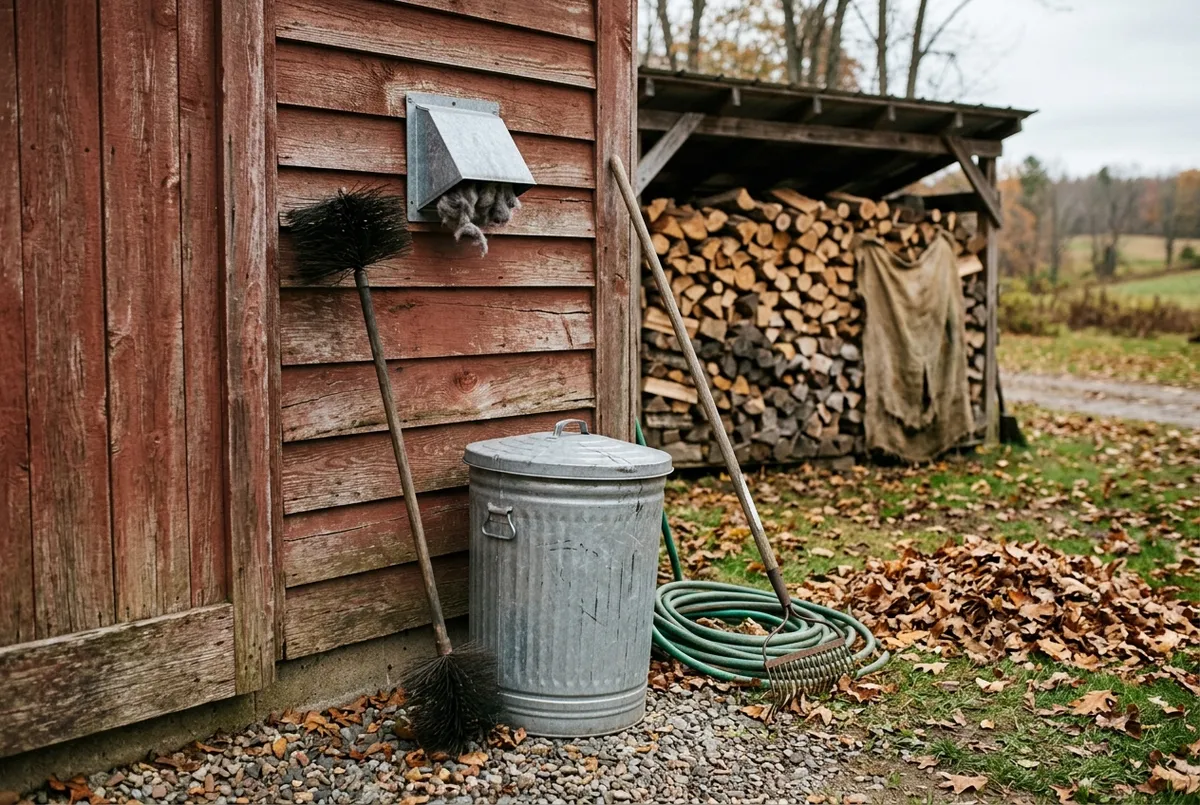
Fire Prevention Week 2026 runs October 4-10. Here are the backyard fire risks that actually matter: chimney damage, debris burning, and dryer vents.
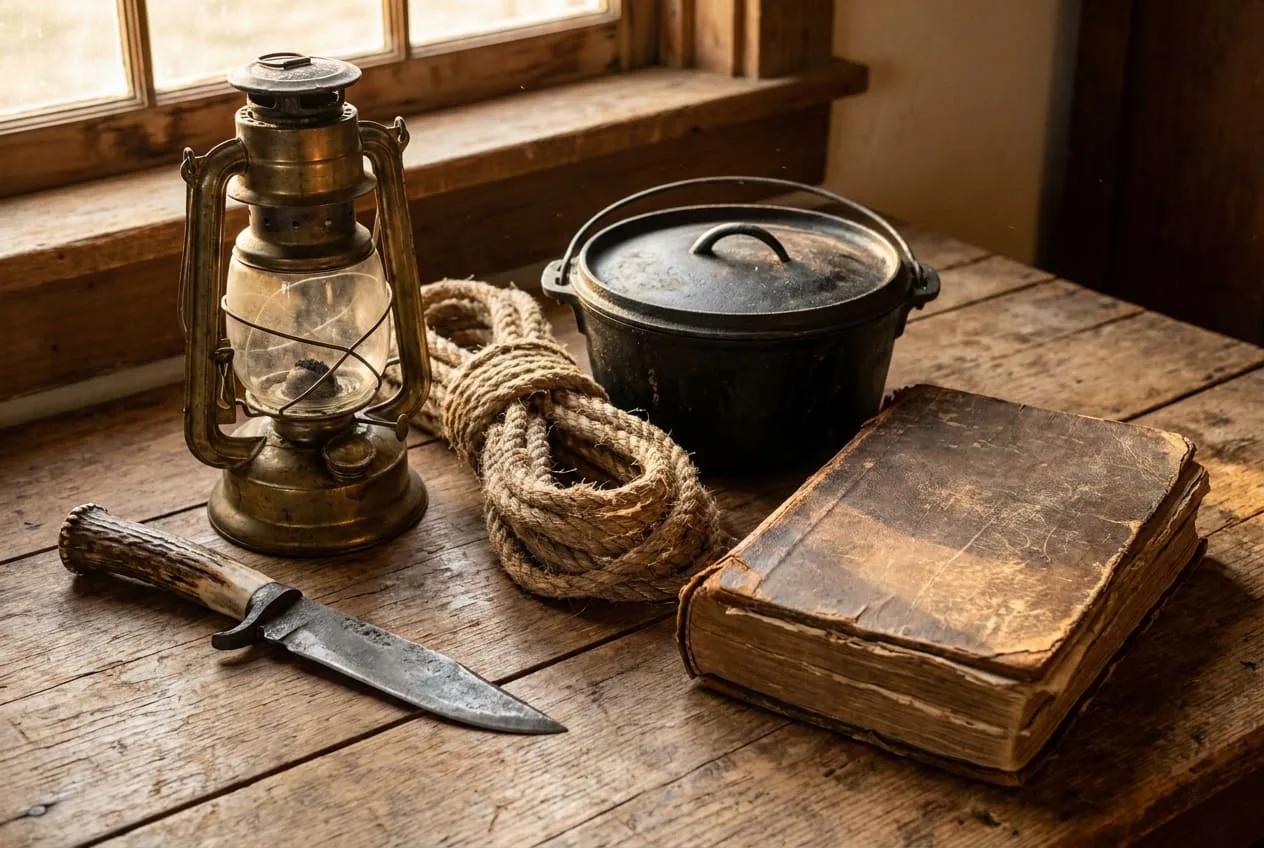
The survival guides and knowledge books the market pushes — reviewed against reality.
Fire Prevention Week 2026 runs October 4-10. Here are the backyard fire risks that actually matter: chimney damage, debris burning, and dryer vents.
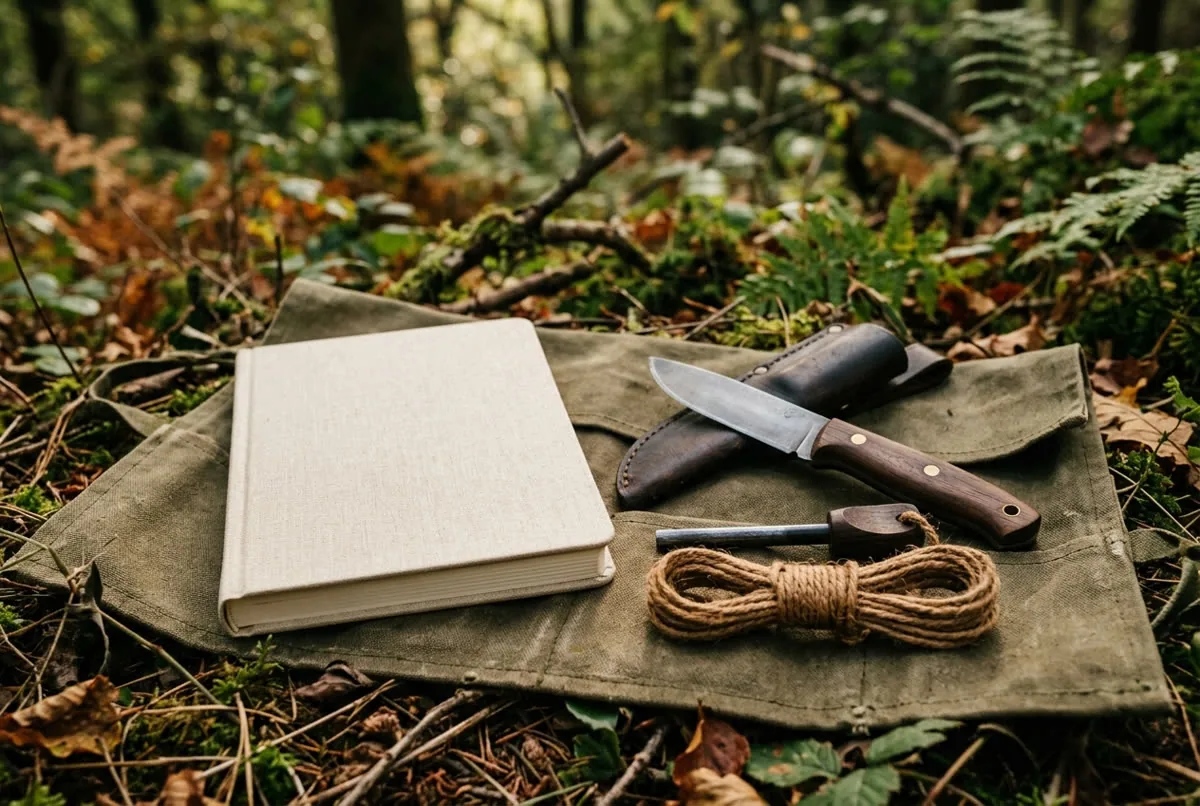
A book teaches concepts and sequencing; a kit teaches skill through repetition. How the Lost Frontier Handbook and a basic bushcraft kit actually compare.
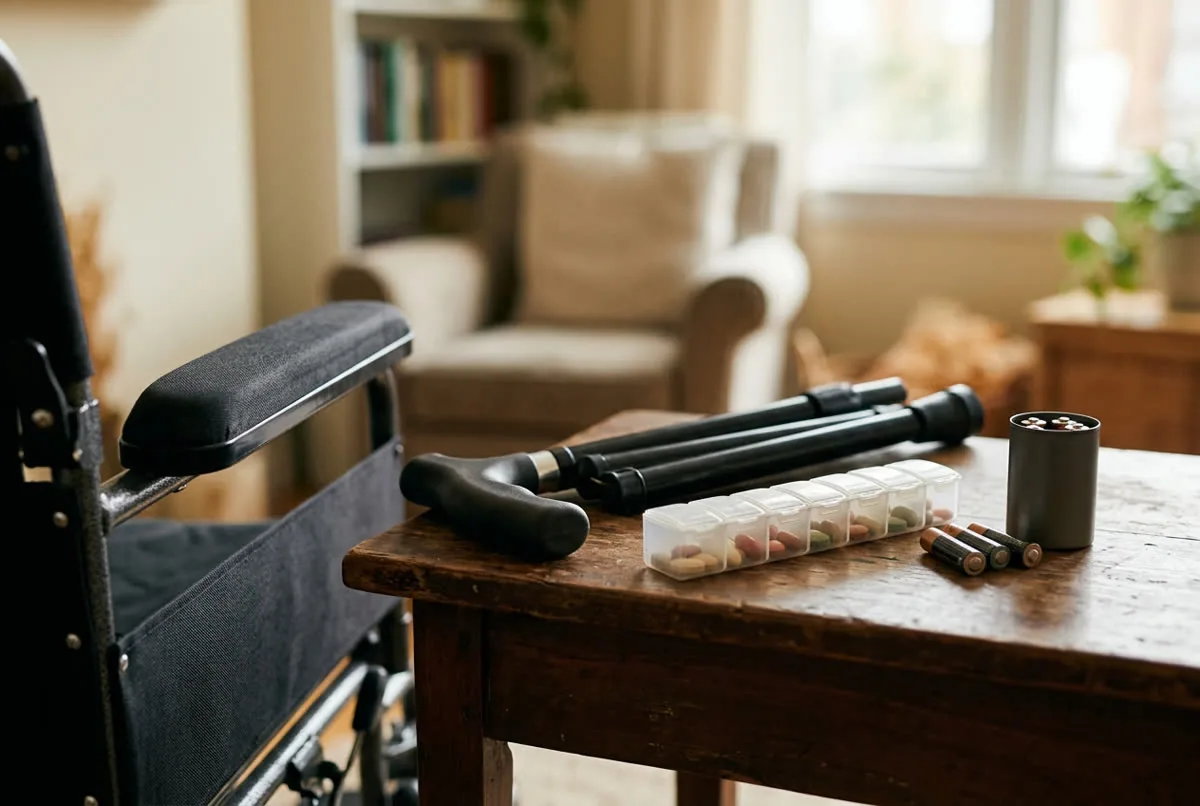
Ready.gov's older-adults flyer adds documents and evacuation planning, but skips device battery runtime and utility priority-restoration steps.
Is 'The Book: Rebuilding a Civilization' a hands-on skills guide or a reference book? What its nine sections cover, and what you can practice this fall.
Which prepping buys are worth grabbing during a fall Amazon sale event, which to skip, and how to spot a fake deal before you click, per BBB guidance.
FEMA's CERT program, not a homemade club, is the real on-ramp for organizing neighbors. Here's how the training works and how to bring it up.
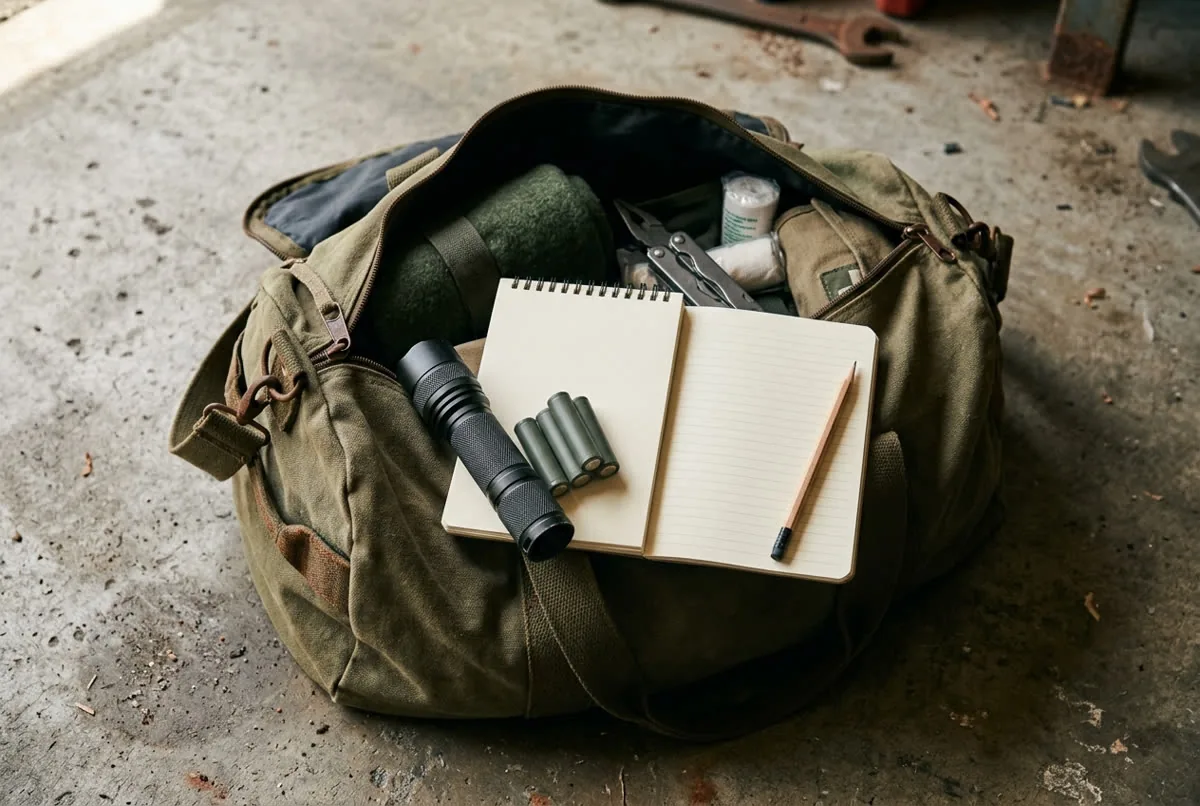
FEMA's official checklist has 11 recommended core items, not vibes. Run this 10-point self-audit on your backyard emergency kit before the month is over.
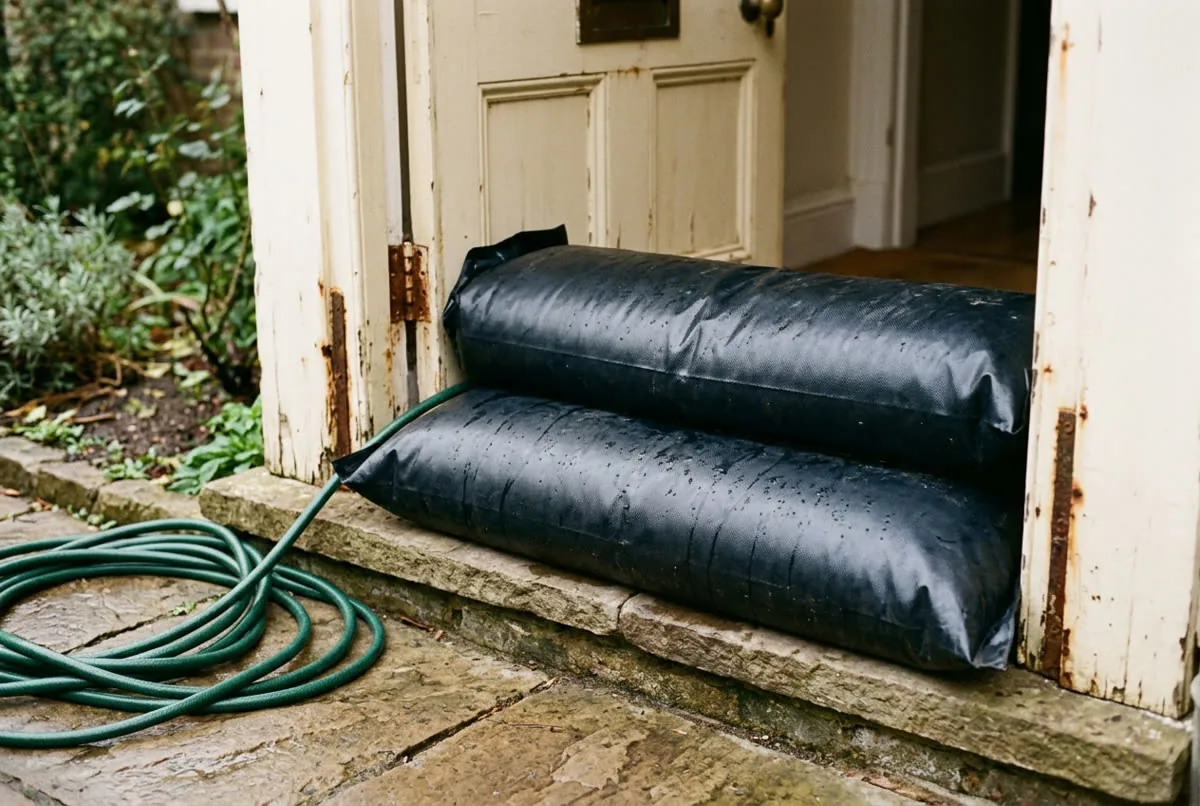
Sandless sandbags vs. USACE-spec sandbags: setup time, performance limits, and the FEMA-approval claim, checked against official flood-fighting guidance.
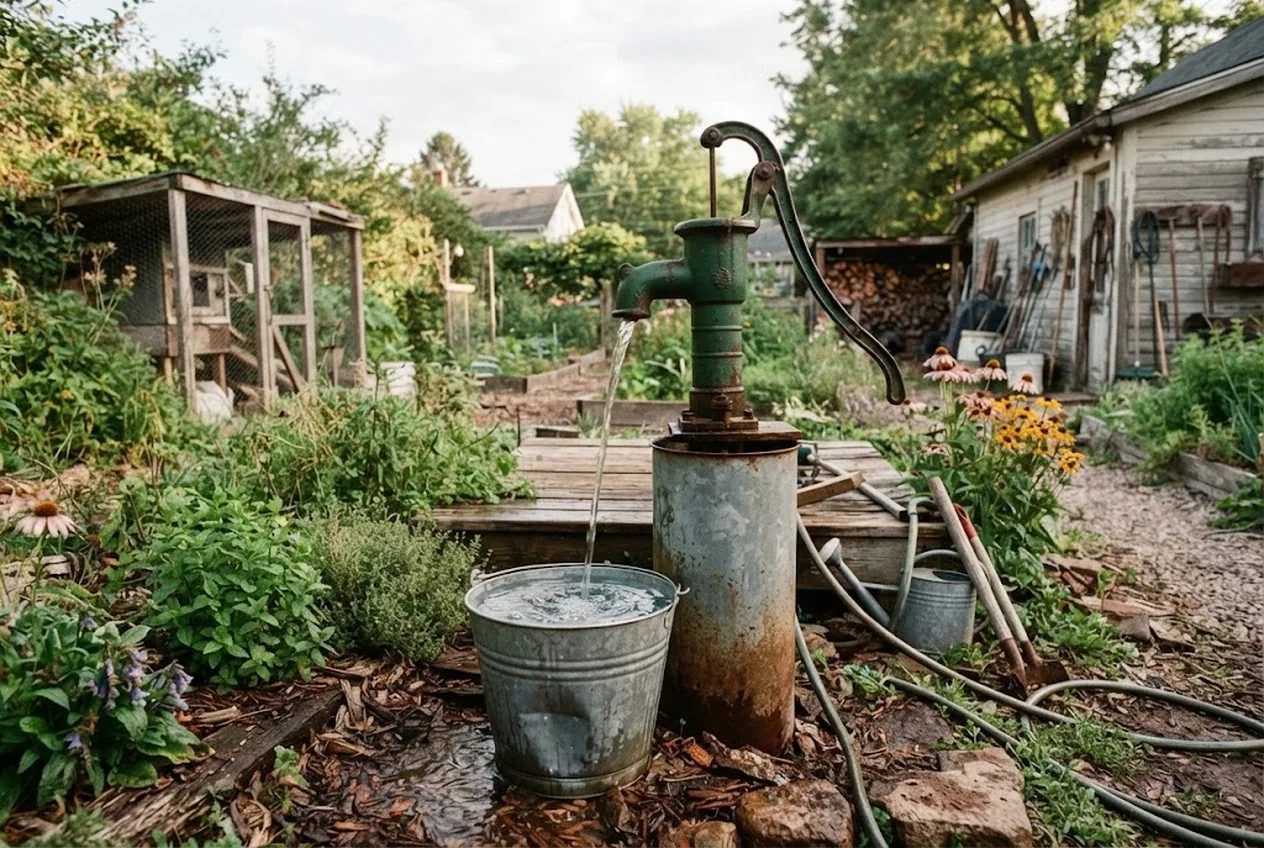
How to pump well water by hand when the grid goes down: types of manual well pumps, sizing to your well depth, install steps, and getting water without power.
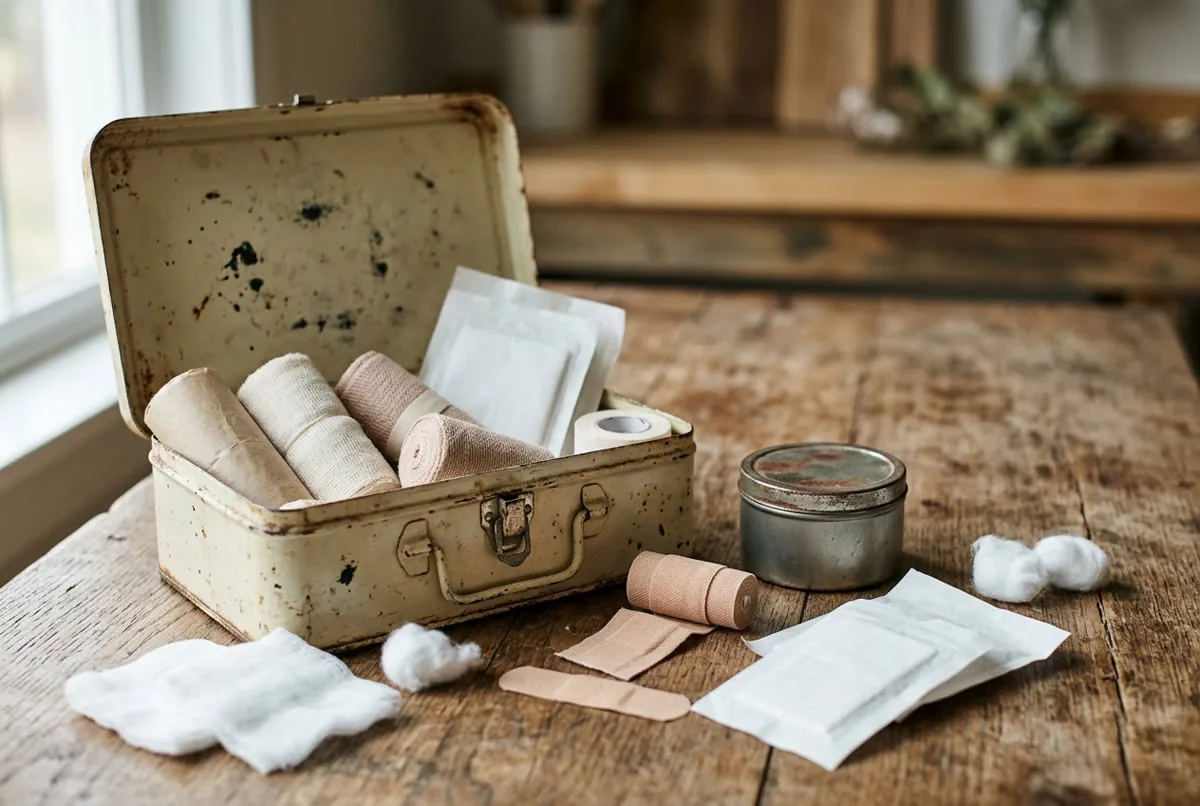
10 first-aid skills every prepper should practice before winter: bleeding control, wound care, hypothermia, CPR and more — the training that outlasts any kit.
A 20-minute narrated video method to document your home for insurance during the season's mid-August to mid-October peak, using guidance from III and NAIC.
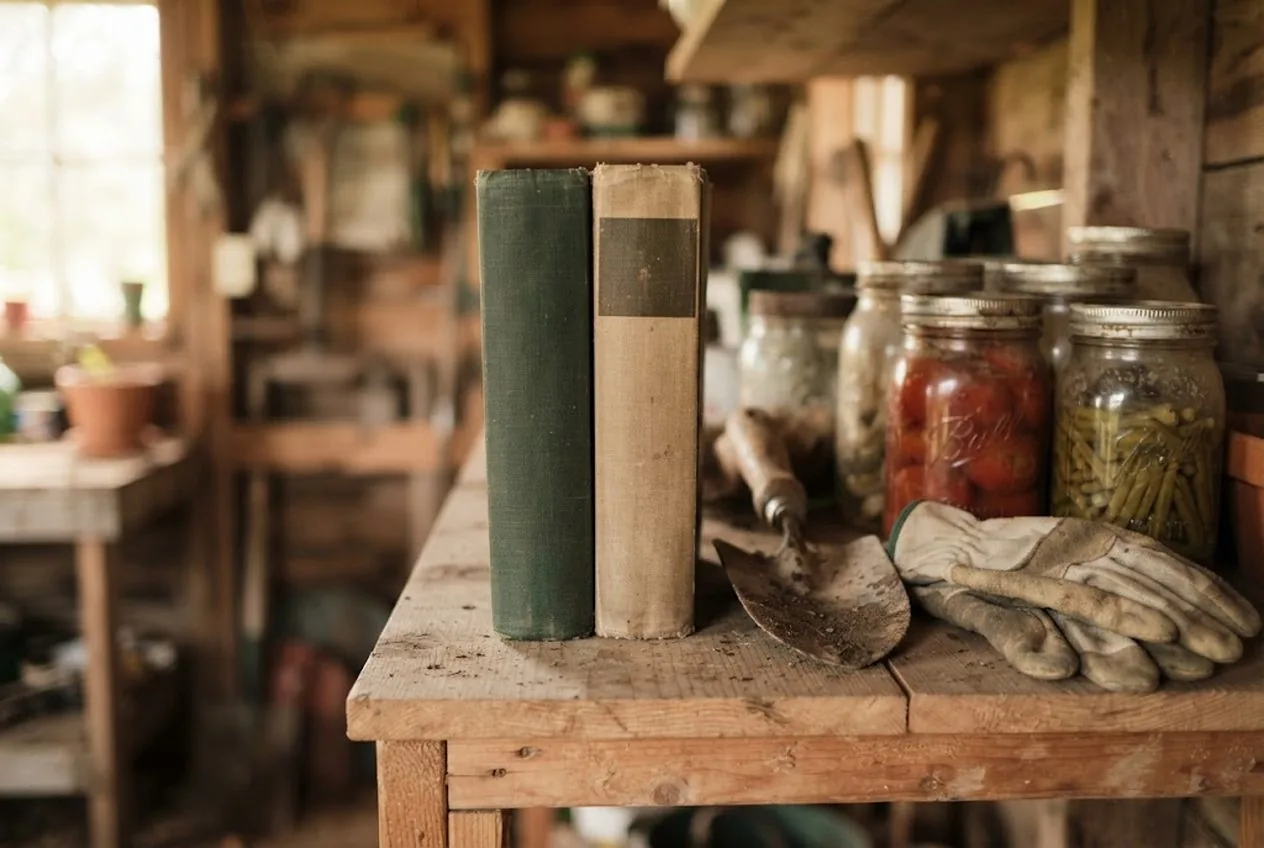
Storey's Country Skills vs The Backyard Homestead: which homesteading reference book earns the shelf? How they differ in scope, depth, and who each one is for.
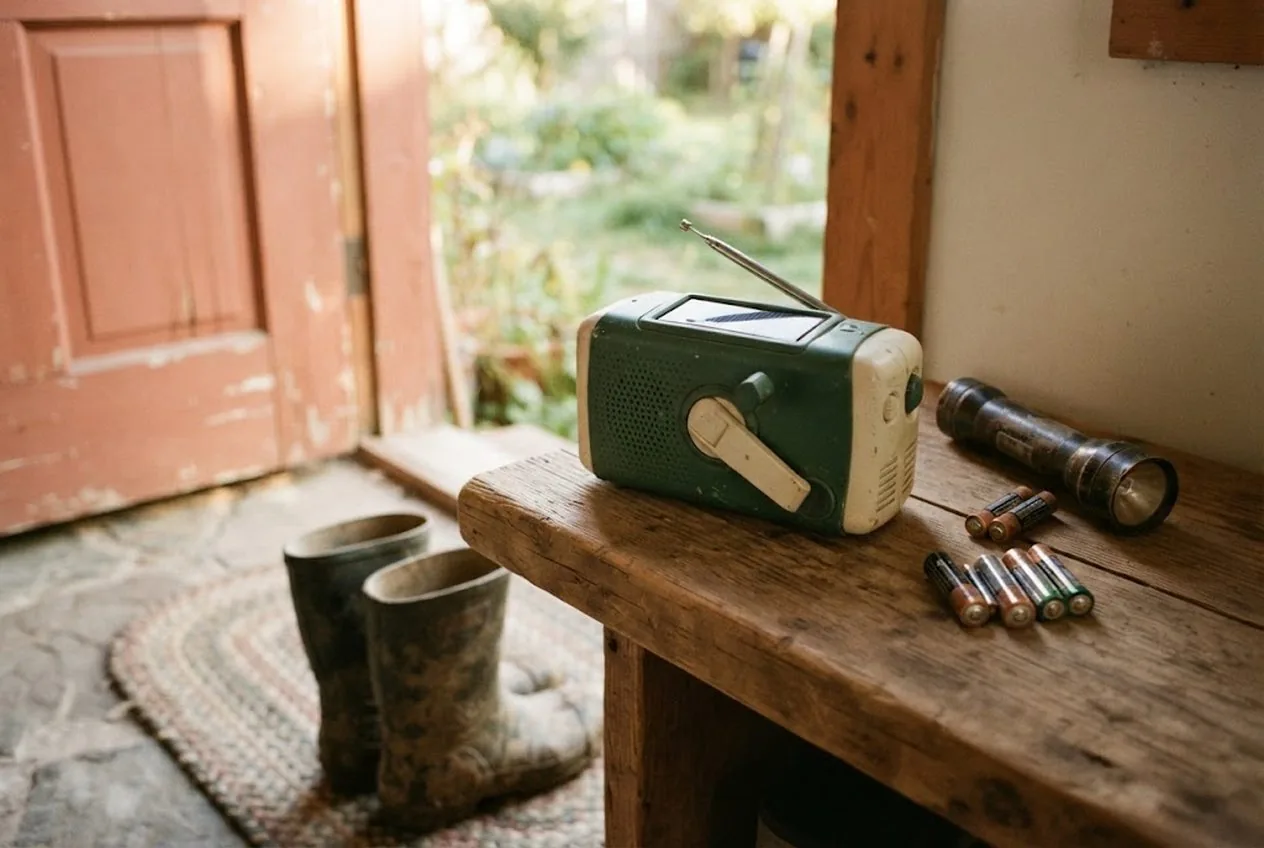
An honest hand-crank weather radio review: does it hold a charge, pull in NOAA alerts, and is it the one emergency device worth keeping by the door?
Build a blackout kit room by room: what to stage in the kitchen, bathroom, bedrooms and by the door so an outage stays an inconvenience, not a crisis.
Compare a pre-made kit against the Red Cross minimum-contents list and a build-your-own approach, so you know what you're actually paying for.
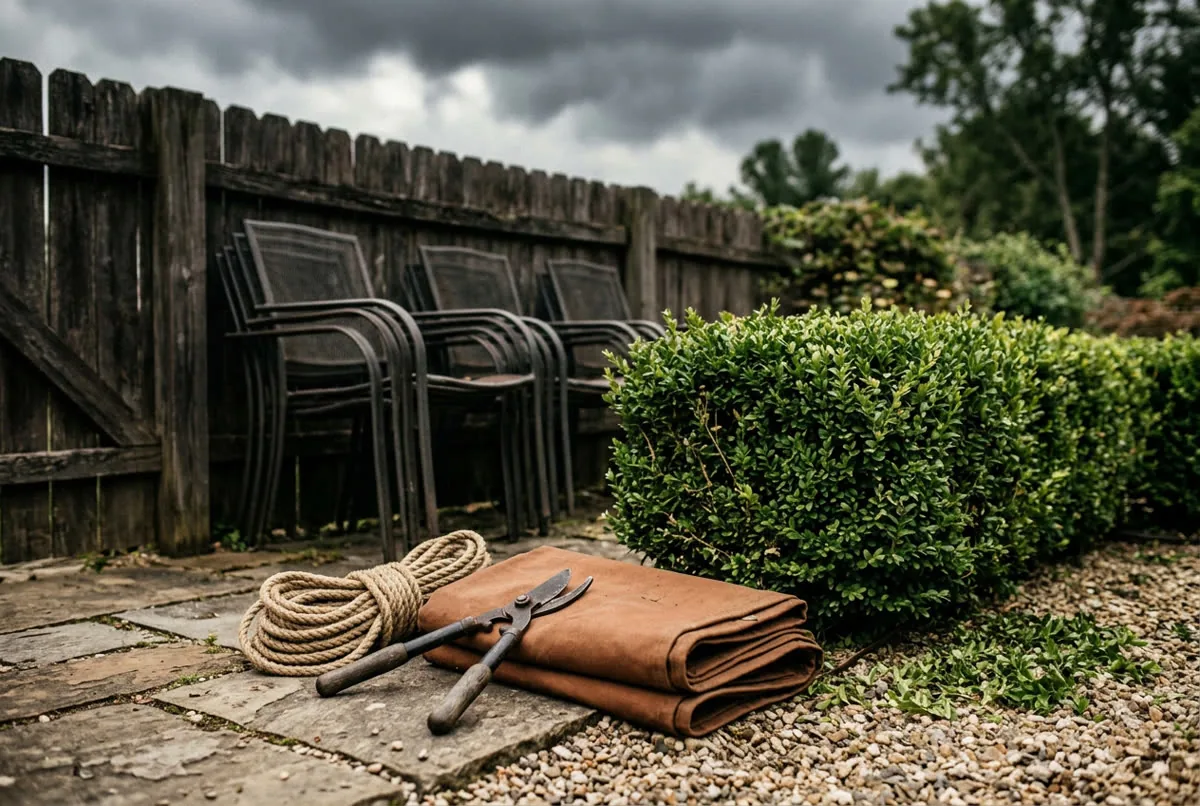
A pre-storm yard checklist: what to trim now, what to tie down or bring inside, and how to spot wind-fall risk trees before a storm hits.
The IRS advises keeping tax records and IDs in waterproof and fireproof containers before hurricane season peaks. Here is what to protect and how.
Neither term is an official FEMA category, but the split still helps. What actually belongs in each kit, sourced from Ready.gov and the Red Cross.
FEMA's free one-page family emergency communication plan: what to fill in, why an out-of-town contact matters, and where to get the printable card.
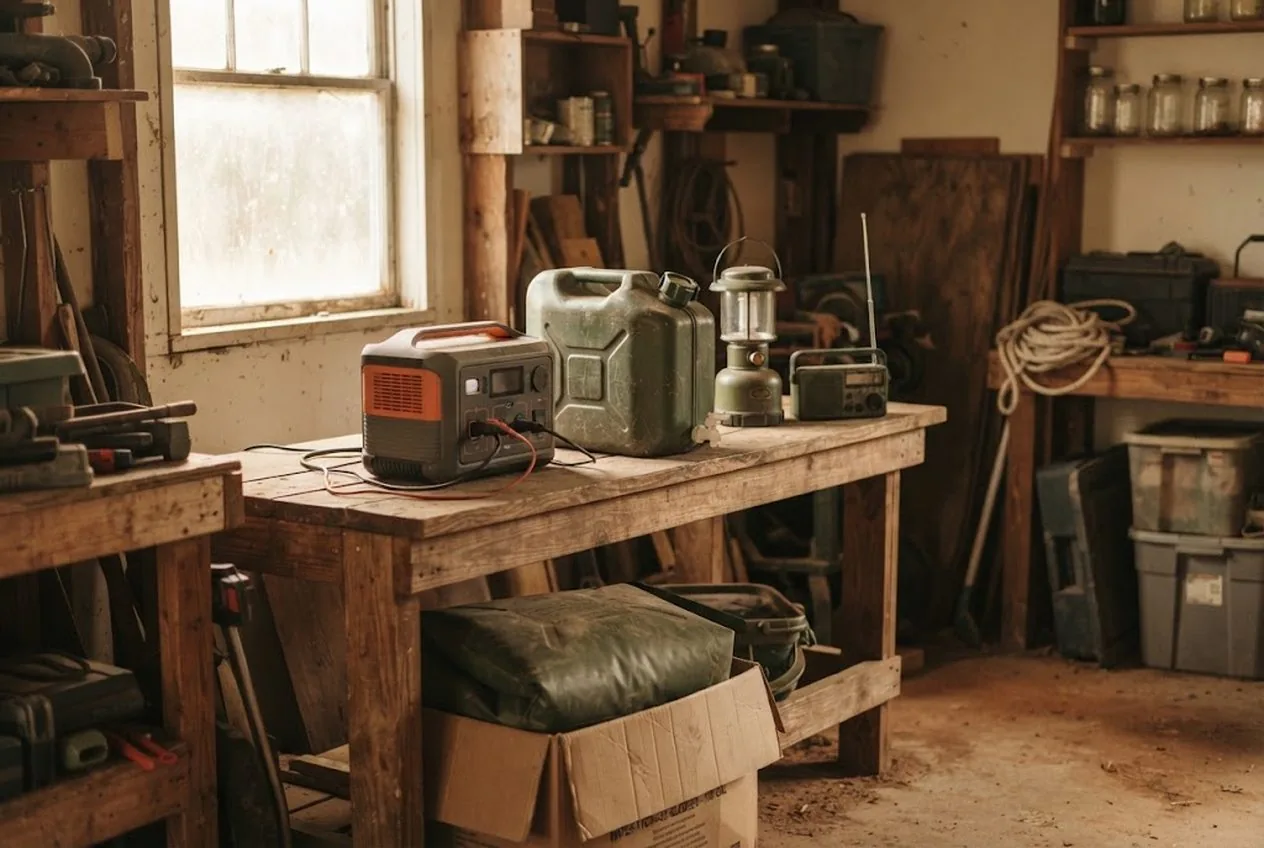
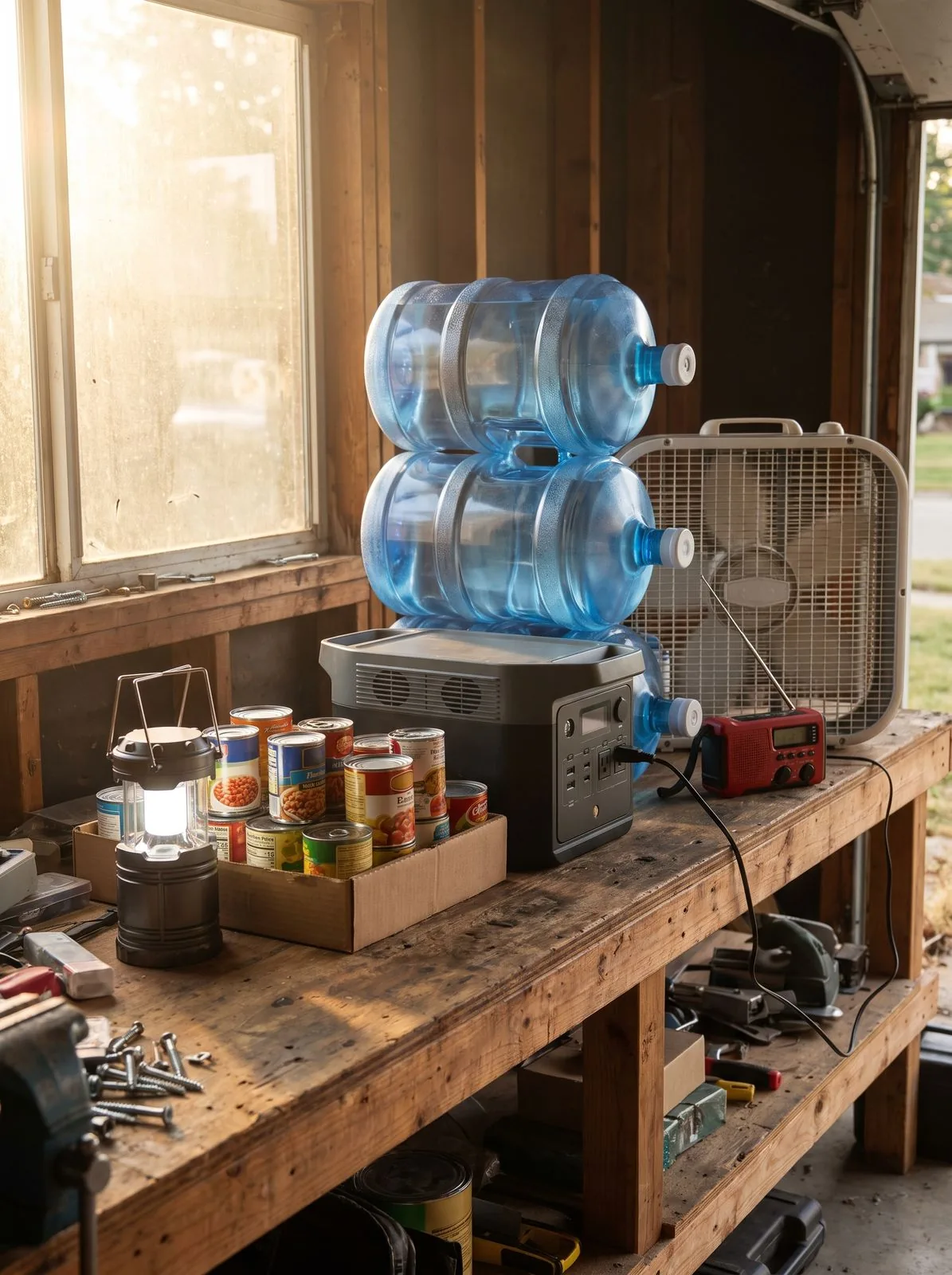
A hurricane-season blackout kit for peak Atlantic season: portable power, stored and emergency water, and the food and comms to ride out a multi-day outage.
A 7-step summer blackout prep checklist: power, water, food, staying cool without AC, light, communication and a family plan for a heat-wave grid outage.
Honest review of The Lost Frontier Handbook by Suzanne Sherman: frontier medicine, food preservation, water sourcing, and off-grid skills. Is it worth $37?
Honest review of The Book: The Ultimate Guide to Rebuilding Civilization by Hungry Minds — a 400+ page illustrated reference, not a prepper checklist.