
| Best For | Skip If |
|---|---|
| Preppers wanting one complete survival reference | Advanced survivalists with extensive prior training |
| Homesteaders focused on food preservation + medicine | Urban apartment dwellers with no outdoor space |
| Beginners — no prior experience required | You need zoning/HOA-specific suburban guidance |
What would you do if the grocery stores closed tomorrow — not for a day, but for weeks?
Most people would be scrambling within 72 hours. No stored food. No way to filter water. No idea how to treat an injury without a pharmacy nearby.
That’s the exact problem The Lost Frontier Handbook is designed to solve. It’s a comprehensive guide to the survival and self-reliance skills that kept American frontier families alive for generations — before supermarkets, before antibiotics, before any of the systems we now take for granted.
We analyzed the publisher’s chapter list, author background, and guarantee terms. Here’s our complete, honest review.
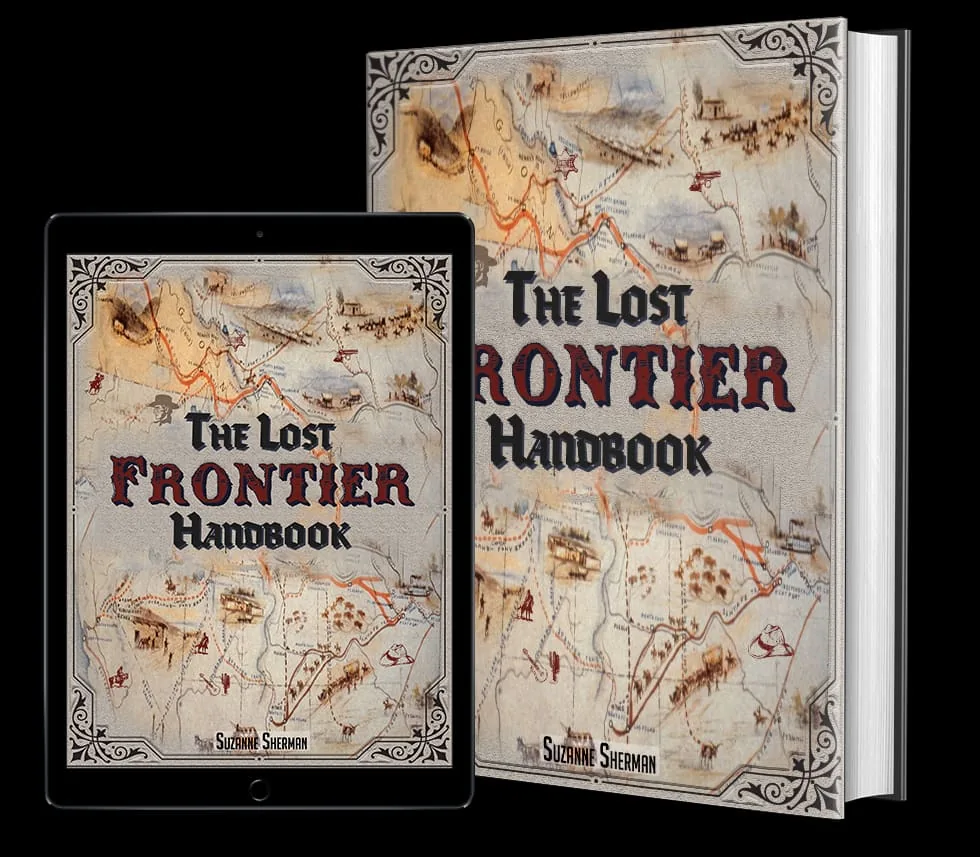
What Is The Lost Frontier Handbook?
The Lost Frontier Handbook is a digital (and optional physical) guide covering the essential skills of off-grid living, wilderness survival, food preservation, homestead medicine, and water sourcing.
It’s aimed at preppers, homesteaders, and anyone who wants to become more self-reliant — without needing prior experience, expensive gear, or a remote rural property.
The guide is available in:
- Digital edition — instant download, accessible on any device
- Physical copy — printed and shipped to your door
- Bundle — both digital and physical together
Price: Currently $37 (the sales page advertises 72% off a stated $131 regular price) (The Lost Frontier Handbook). All purchases include a 60-day money-back guarantee: the vendor’s refund policy promises a full refund if you are dissatisfied at any time during the first 60 days after purchase (refund policy).
About the Author: Suzanne Sherman

Suzanne Sherman isn’t a random internet prepper. According to the sales page, she quit her legal work and left Los Angeles for Utah, where she lives off-grid (The Lost Frontier Handbook).
Her own website lists her work in the self-reliance space (SuzanneCSherman.com):
- Host of the Red Hot Chilly Prepper Podcast
- Host of The Wasatch Report podcast
That background matters. Sherman writes from the perspective of someone who has made the move to off-grid life herself.
What’s Inside: Full Content Breakdown
1. Medicinal Remedies & Home Healthcare
This is one of the most distinctive sections in the sales materials. According to the sales page, coverage includes:
- How to create disinfectants and homemade painkillers
- Treating wounds, breaks, and burns
- Sore throat and cough remedies
- “Frontier Penicillin” — which the sales page describes as a remedy used for centuries to keep infection away
- Treatments for cold sores, warts, and fungal infections
2. Food Preservation & Long-Term Stockpiling
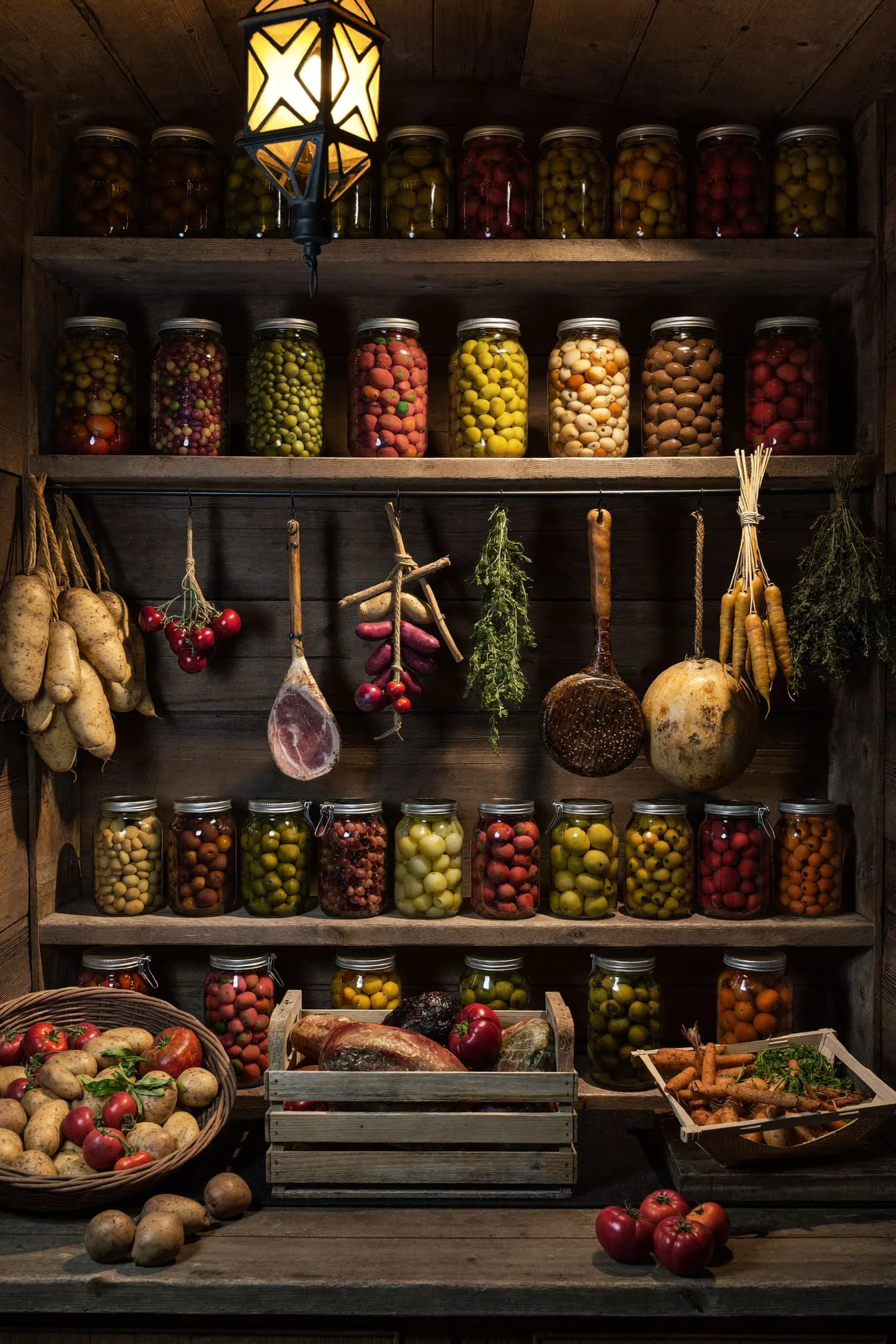
A substantial portion of the handbook covers food — the most critical factor in any long-term survival scenario. Topics include:
- Meat preservation — smoking, drying, curing, salting, and dehydrating
- Canning and pickling — step-by-step instructions
- Root cellars and icehouses — keeping food cold without electricity
- Companion planting — growing crops that support each other
- Wild game — hunting, trapping, and processing without modern equipment
- “Forever foods” — 22 long-lasting foods the sales page calls critical for preppers
- Food-spoiling dangers to AVOID in storage
If long-term food storage is your primary interest, this pairs well with our The Lost SuperFoods review — two complementary approaches to never going hungry when supply chains break down. And if you want the maximalist version of the same knowledge-preservation idea, our Ultimate Guide to Rebuilding Civilization review covers the most ambitious survival manual we’ve reviewed.
3. Off-Grid Living & Water Sourcing
Clean water is the most urgent survival priority. Sherman covers:
- Building a water filtration system from materials in your yard
- The best wild plants to forage
- Raising chickens for eggs and meat
- Where to find free land in the US
- 75 items the sales page says will be worth more than gold in a crisis
- Making household products at home — soaps, glues, and more
4. Frontier Skills & Homestead Cooking
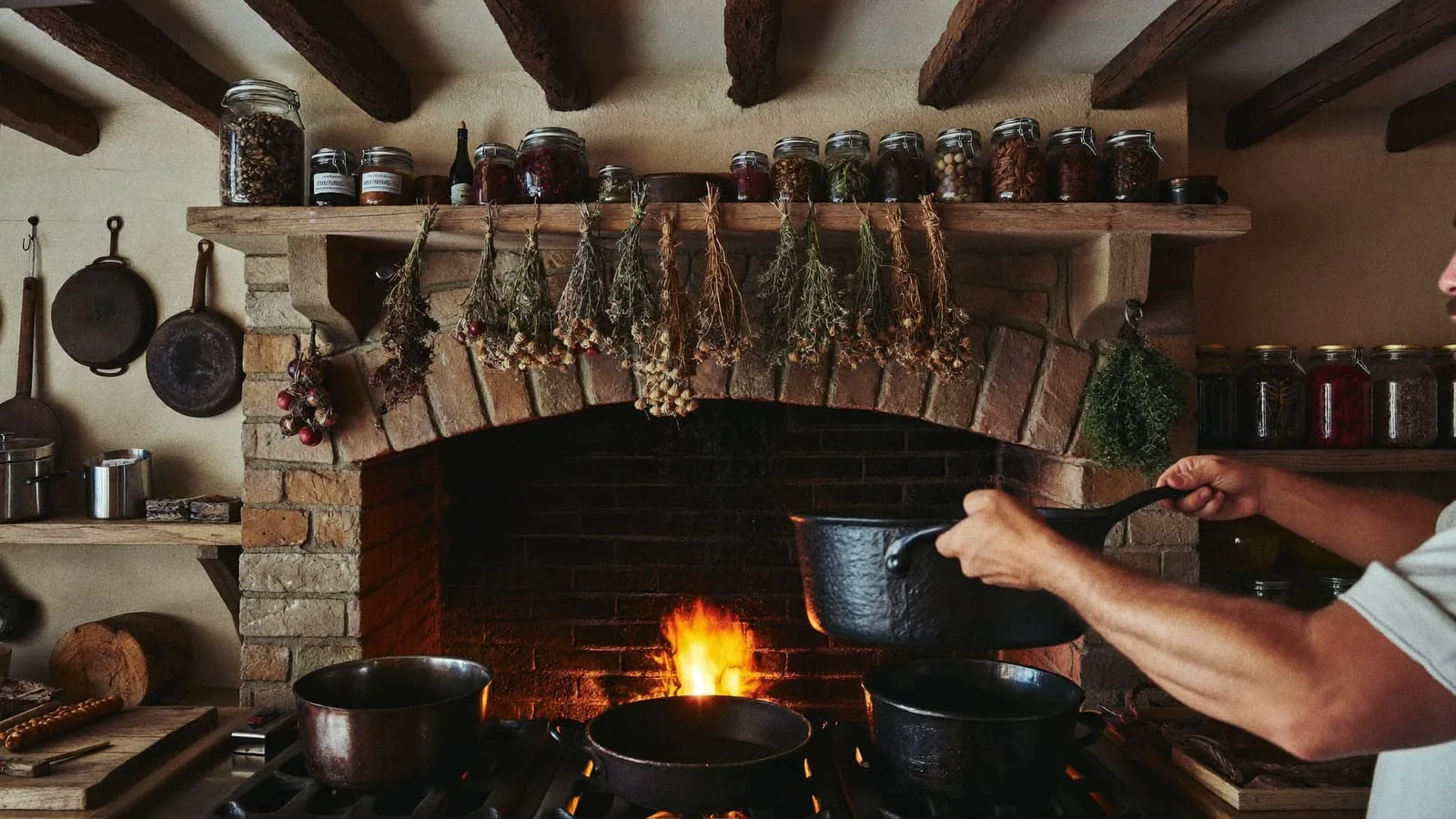
- Off-grid cooking methods for when electric and gas stoves are down
- Emergency food preparation with limited ingredients
- Traditional recipes that maximize nutrition with minimal waste
Bonus Materials (Included Free)
- “The 80 Square Feet Medicinal Garden” — Grow a complete herbal apothecary in a small space ($27 value)
- “Surviving an Economic Collapse” — Co-written with Luis, who survived Argentina’s economic crisis firsthand ($27 value)
- “Homestead Cooking 101” — Off-grid recipes and emergency cooking techniques ($27 value)
Who Is This For?
Best fit:
- Preppers and emergency preparedness enthusiasts
- Homesteaders and off-grid living enthusiasts
- Suburban or rural families who want to build resilience
- Anyone new to survival skills — written for beginners despite its depth
- Budget-conscious readers — most techniques need no expensive gear
Less ideal for:
- Advanced survivalists with extensive prior training
- Urban apartment dwellers with no outdoor space
What to Pair With the Handbook
The honest limitation of any skills guide — including this one — is that reading about a skill and being able to do it under pressure are different things. The Lost Frontier Handbook gives you the method; a few inexpensive physical tools and references turn that method into something you can actually execute. None of these are required to get value from the guide, but each closes a gap the handbook itself points you toward.
How to Get the Most From the Handbook
A guide this broad can be paralyzing if you try to absorb all of it at once. The practical approach is to treat it as a reference you work through slowly rather than a book you read once.
Start with the two chapters that carry the most weight for the least effort: homestead medicine and water sourcing. Those are the skills with the shortest path from reading to real-world payoff, and they are the areas where most households are genuinely unprepared. Pick one technique — say, the natural disinfectant recipe or a single water-filtration method — and actually practice it before moving on.
From there, work at roughly one skill a month. Preserve a small batch of food using the smoking or curing instructions. Grow a corner of the medicinal garden from the bonus guide. Build the simple yard-material water filter and test its output. The value of the handbook compounds when the skills leave the page — a guide full of techniques you have never tried is just expensive reassurance.
Keep expectations calibrated to your situation. If you have a backyard or a patch of land, most of the content is directly actionable. If you are in an apartment, the medicine, food-storage, and water-treatment sections still apply, but the livestock, land-sourcing, and larger homestead chapters will sit unused until your circumstances change. That is not a flaw in the guide — it is a reason to be honest with yourself about which half you are actually buying.
Pros and Cons
Pros
- Author is a real self-reliance podcast host with her own website — not a faceless PDF
- Comprehensive coverage in one guide: food, water, medicine, off-grid living, and frontier skills
- Beginner-friendly — no specialized background or expensive gear required
- Natural remedies section covers disinfectants, wound care, and "Frontier Penicillin"
- Three bonus guides included ($81 stated value)
- 60-day money-back guarantee
- Digital and physical editions available
Cons
- Some sections require land or outdoor access — not suited for pure urban apartment dwellers
- Physical and bundle editions cost more than the $37 digital edition
- Advanced preppers may find some foundational sections familiar
- Sales page leans on countdown timers and exaggerated discount claims
Price, Guarantee, and How Buying Works
At the time of writing, the digital edition costs $37. Physical and bundle options are also available at additional cost. Three bonus guides come with every purchase.
The 60-day money-back guarantee is written into the vendor’s refund policy: if you’re dissatisfied at any time during the first 60 days after purchase, you can ask for a full refund (refund policy). If the guide isn’t what you expected, contact the vendor within 60 days.
Note: The sales page displays a “72% off” offer from a stated regular price of $131. These are standard sales-funnel tactics. Buy on the merits or not at all; don’t let a countdown clock decide for you.
Best Alternatives
If The Lost Frontier Handbook isn’t the right fit:
| Alternative | Best For | Price |
|---|---|---|
| The Lost SuperFoods | 126+ forgotten survival foods and storage hacks, more food-focused | See site |
| The Self-Sufficient Backyard | Off-grid authors Ron and Johanna Melchiore, homestead projects for land-owners | See site |
| Backyard Liberty | Compact backyard food system, small patio or garage | ~$39 (vendor) |
Final Verdict
The Lost Frontier Handbook earns its 8.8. Suzanne Sherman brings the perspective of someone who made the move off-grid herself, and the combination of frontier medicine, food preservation, and off-grid water skills in a single beginner-friendly guide is rare. The natural remedies coverage, including “Frontier Penicillin,” is a distinctive part of the package. Dock a point for the over-hyped sales funnel and the limited utility for pure city dwellers. For anyone with even a backyard or a patch of land, and a serious interest in building resilience, this is one of the stronger-value guides in the category — and the 60-day refund makes the downside close to zero.
Frequently Asked Questions
- What is The Lost Frontier Handbook?
- The Lost Frontier Handbook is a digital (and optional physical) guide by Suzanne Sherman covering wilderness survival, food preservation, homestead medicine, water sourcing, and off-grid living skills. It is sold online through the official site and comes with a 60-day money-back guarantee.
- Who is Suzanne Sherman?
- According to the sales page, Suzanne Sherman left legal work in Los Angeles and moved to Utah to live off-grid. Her own website lists two podcasts she hosts: The Red Hot Chilly Prepper Podcast and The Wasatch Report.
- Is The Lost Frontier Handbook legitimate?
- It is a real product from a real author: Suzanne Sherman's own website lists her two self-reliance podcasts, and the vendor offers a 60-day money-back guarantee. The marketing uses some urgency tactics, so judge it on the chapter list rather than the countdown clock.
- Is it digital or physical?
- The order page offers digital, physical, and digital-plus-physical options. The sales page lists the handbook at 72% off a stated $131 regular price, about $37; physical and bundle options cost more.
- What is covered inside?
- According to the sales page, the handbook covers frontier medicine and natural remedies, food preservation (canning, salting, dehydrating, pickling, smoking), filtering water with what's in your yard, raising chickens, where free land can be had in the US, and 75 items it says will be worth more than gold in a crisis.
- Good for beginners?
- Yes — written for readers with no prior survival background. No specialized knowledge or expensive gear required.
- What bonuses are included?
- Three bonus guides: The 80 Square Feet Medicinal Garden, Surviving an Economic Collapse, and Homestead Cooking 101, each listed at a stated value of $27 ($81 combined).
Sources & references
Before you go
The Renter's Homestead Pack
Self-reliance projects for the yard you don't own — container yields, a raised bed built to move with you, balcony preservation basics, and the landlord questions to ask first.
Free guide
The Renter's Homestead Pack
Self-reliance projects for the yard you don't own — container yields, a raised bed built to move with you, balcony preservation basics, and the landlord questions to ask first.