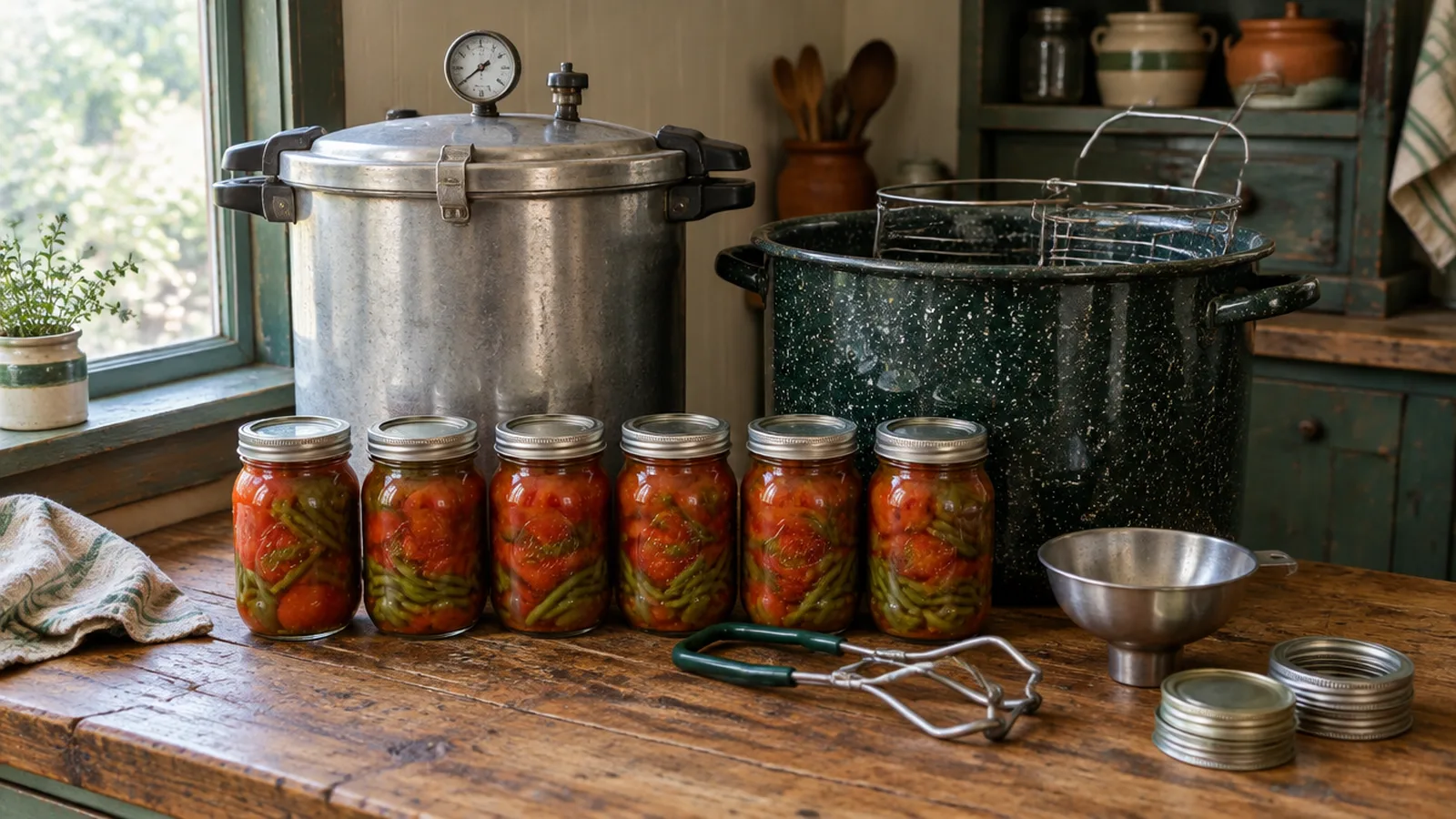
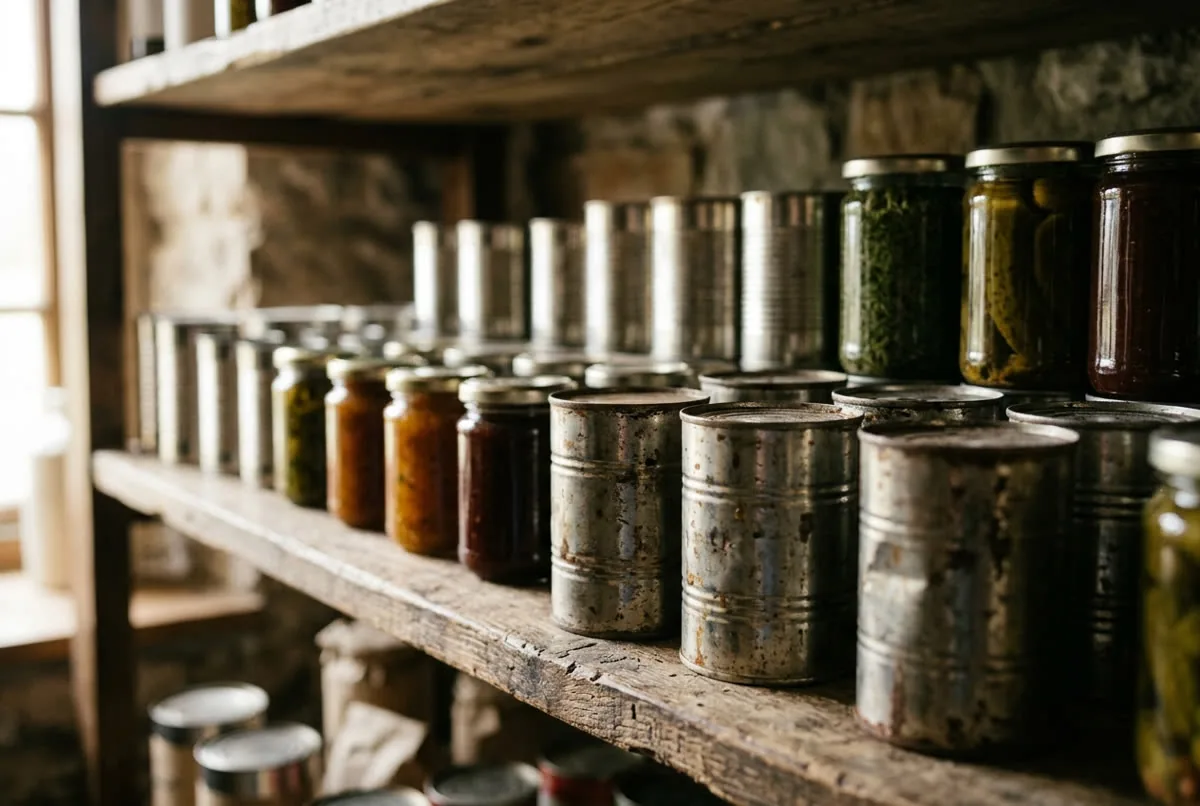
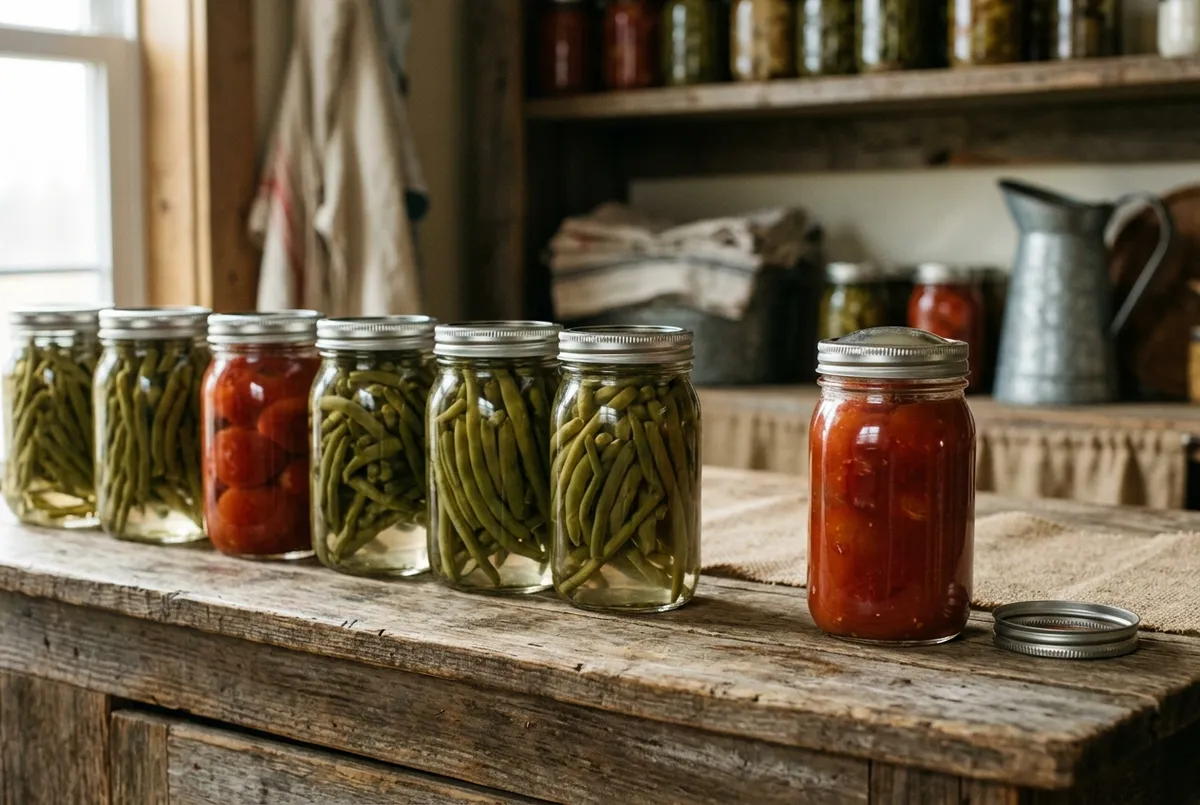
How to Know If a Canning Jar Seal Actually Failed
Learn the three official tests for a failed canning jar seal, what real spoilage looks like, and when to safely discard a suspect jar.
Root cellars, dehydrating, canning and long-term storage without the rookie mistakes.
Learn the three official tests for a failed canning jar seal, what real spoilage looks like, and when to safely discard a suspect jar.
Beef prices are up in 2026. Here's how to split bulk meat between the freezer, pressure canner, and dehydrator so your stockpile survives an outage.
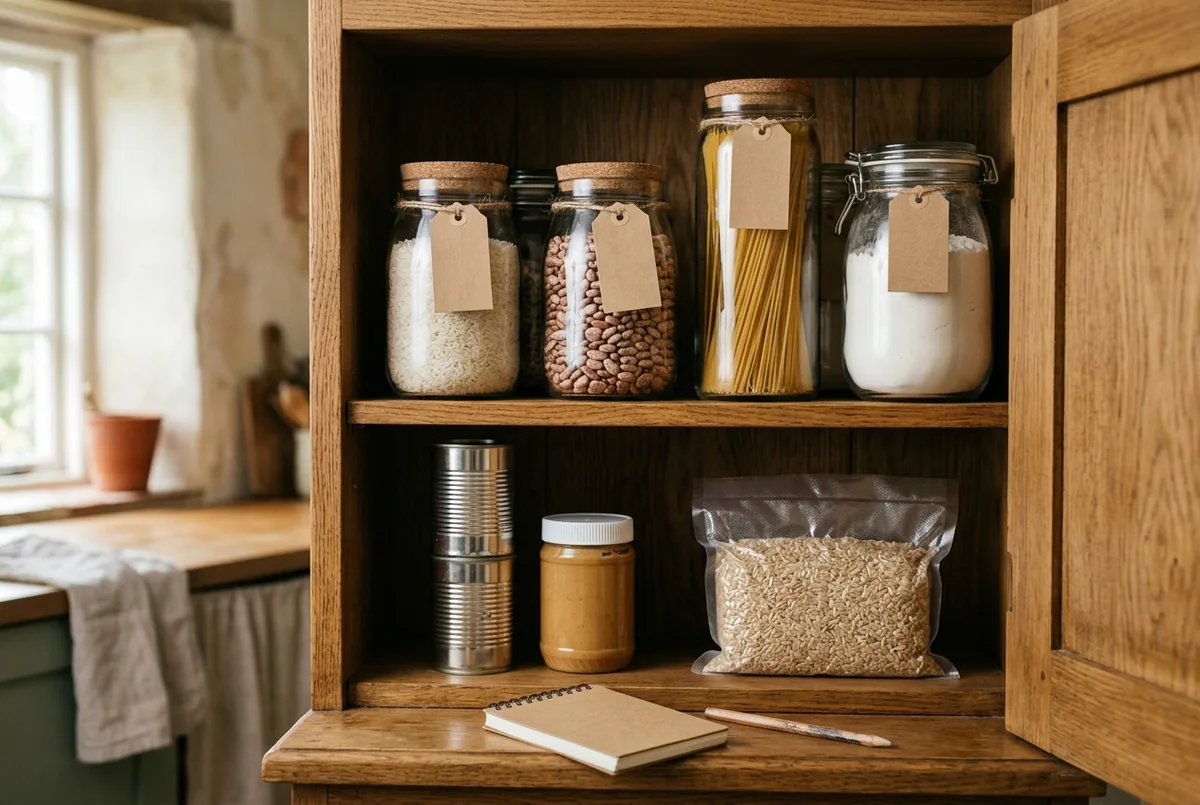
Black Friday is Nov. 27. What a two-week pantry costs per day, how to pace it over four to eight weeks, how rotation keeps it free, and where vacuum bags fit.
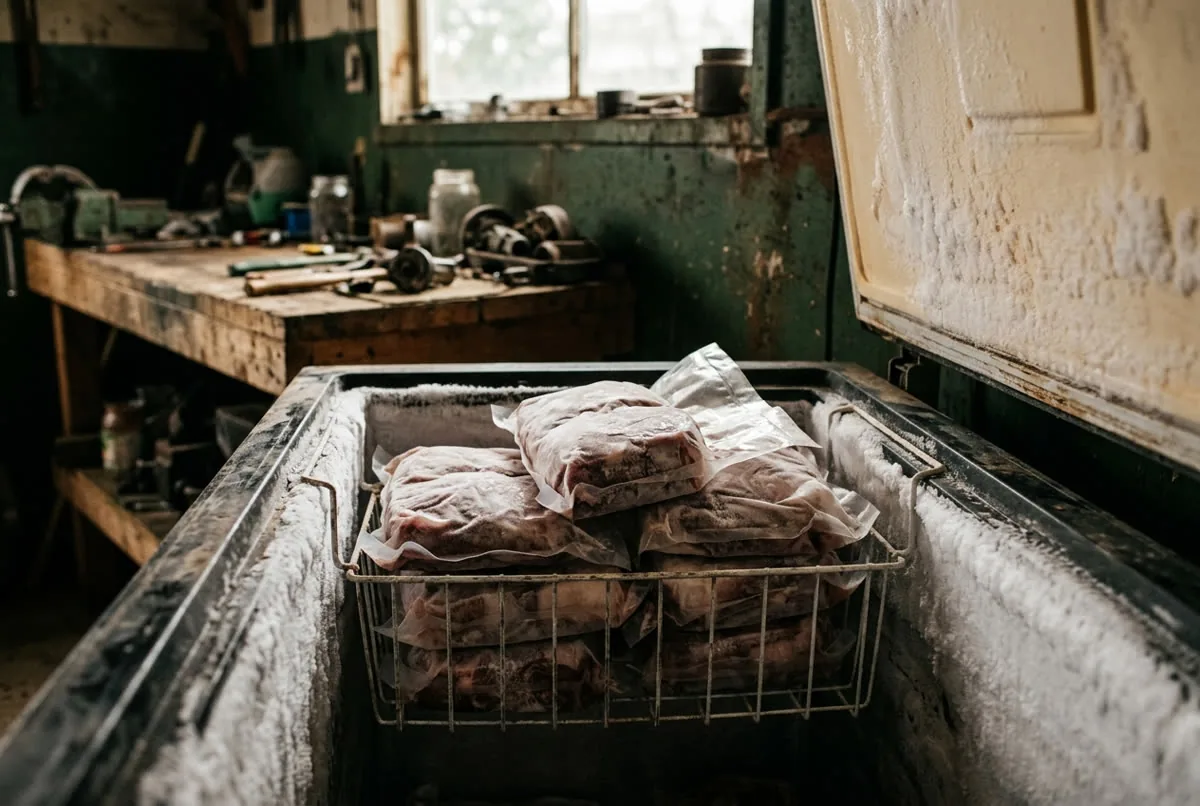
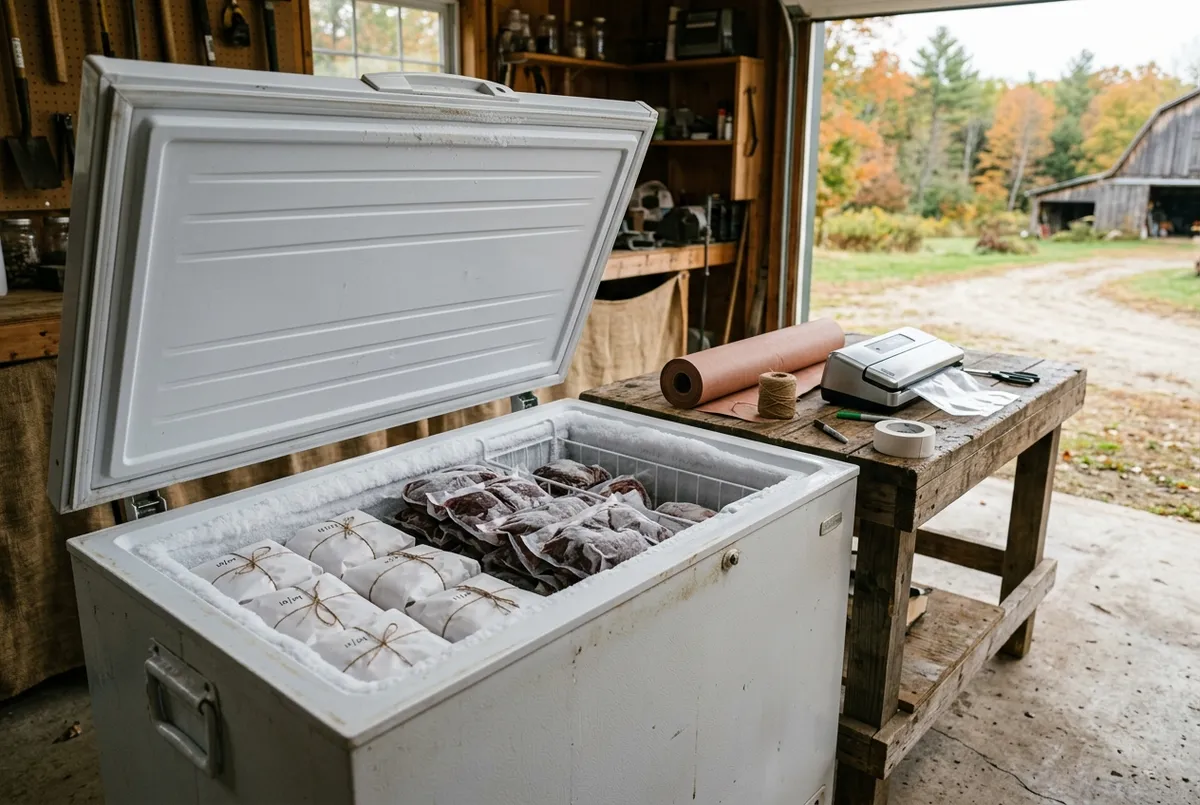
When a chest freezer fails in winter, know what to save first, how long food stays safe, and when dry ice can buy you extra days.
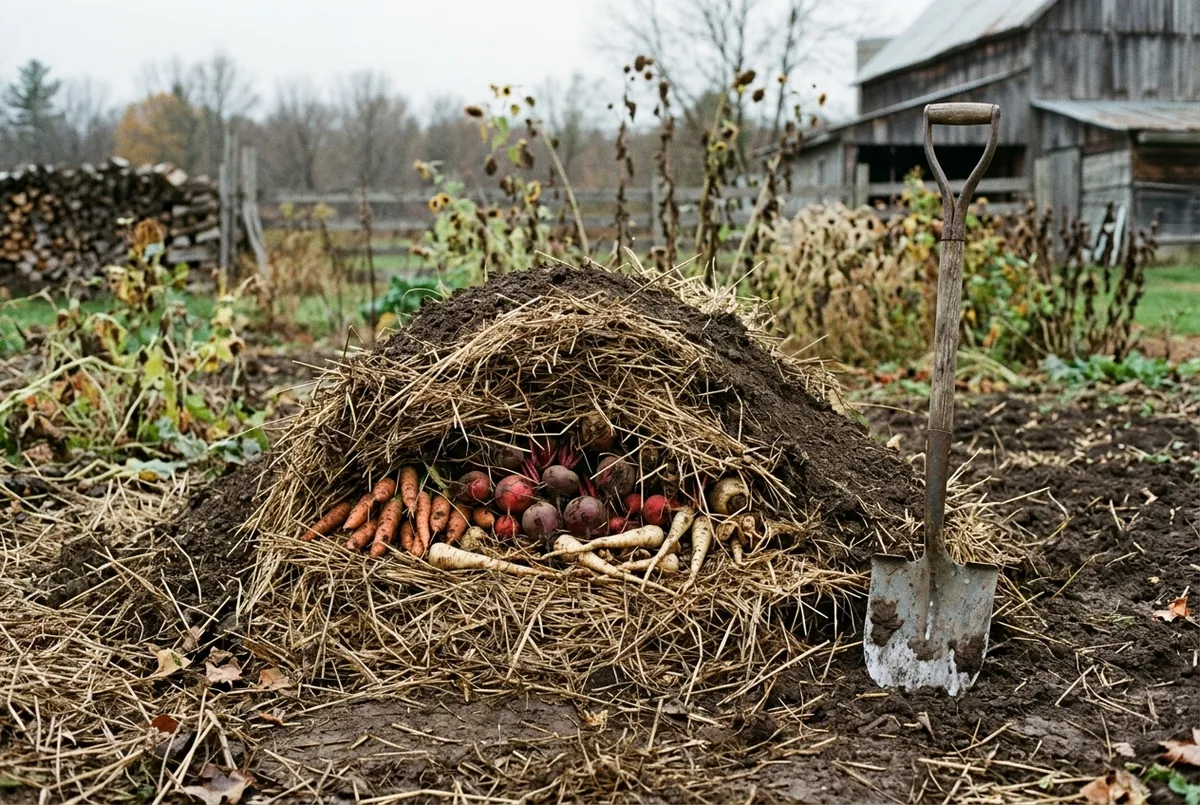
Build a root clamp using Cornell and RHS storage benchmarks to keep carrots, beets, and parsnips fresh outdoors for weeks to months without a cellar.
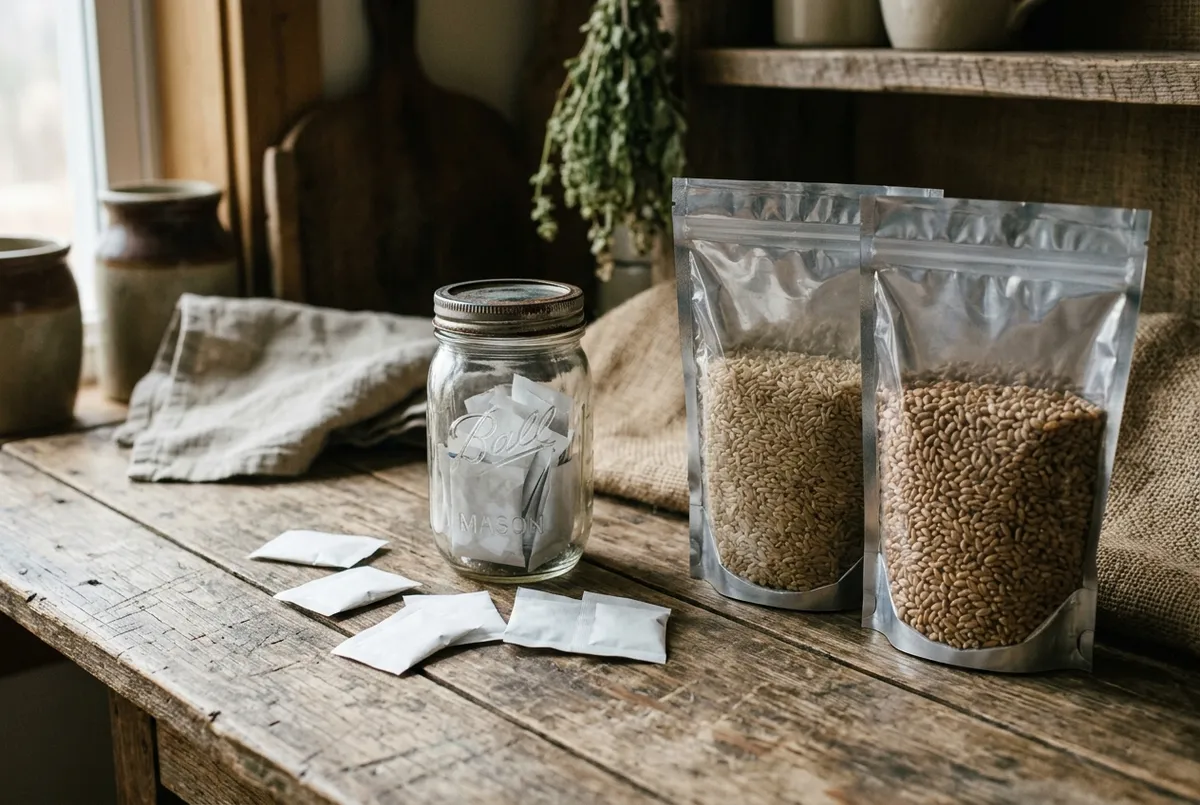
Iron-based oxygen absorbers use up capacity once exposed to air and can't be reused once spent. Here's the chemistry and how to check a packet.
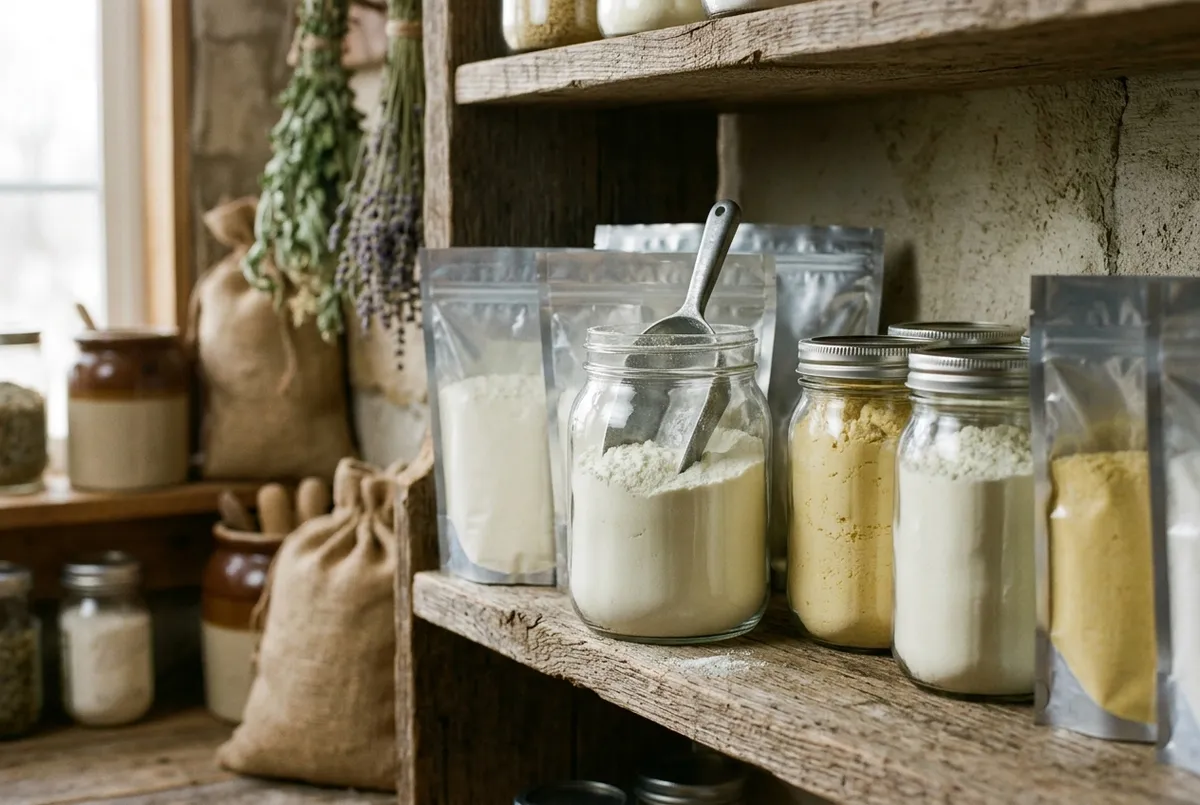
Powdered milk and eggs shelf life depends on temperature and packaging, not just the date on the label. Here's what extension research found.
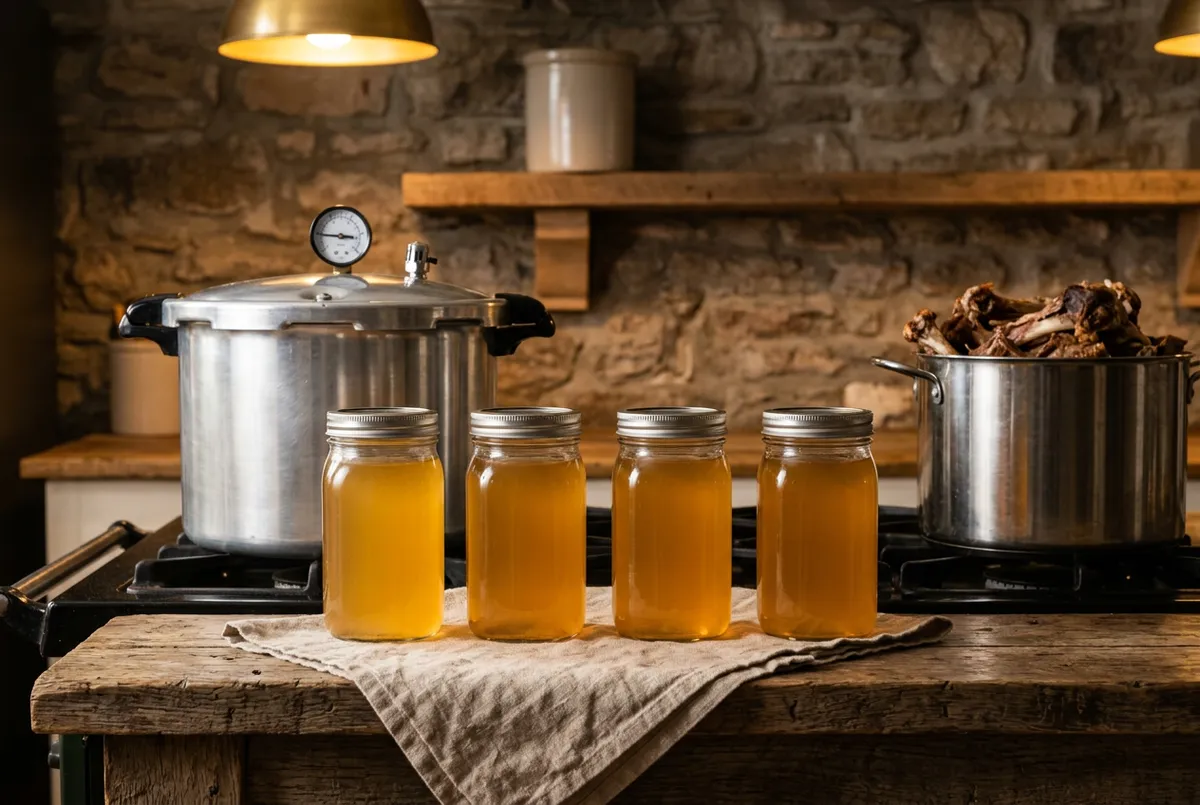
Pressure canning turkey stock from a Thanksgiving carcass: NCHFP times, pressure by gauge and elevation, 1-inch headspace, and why water-bath canning fails.
Black Friday is Nov. 27. Compare freeze-dried food buckets, #10 cans and pouches on seal, opened life, cost per 1,000 calories and water, with Nov. 5 prices.
Freeze-dried or dehydrated? Shelf life, water and fuel needs, cost per 1,000 calories and home-machine payback at Nov. 4, 2026 prices.
A power outage on Christmas Day means rethinking how you cook and store holiday food. Here is how to prep, cook safely, and know what is still good to eat.
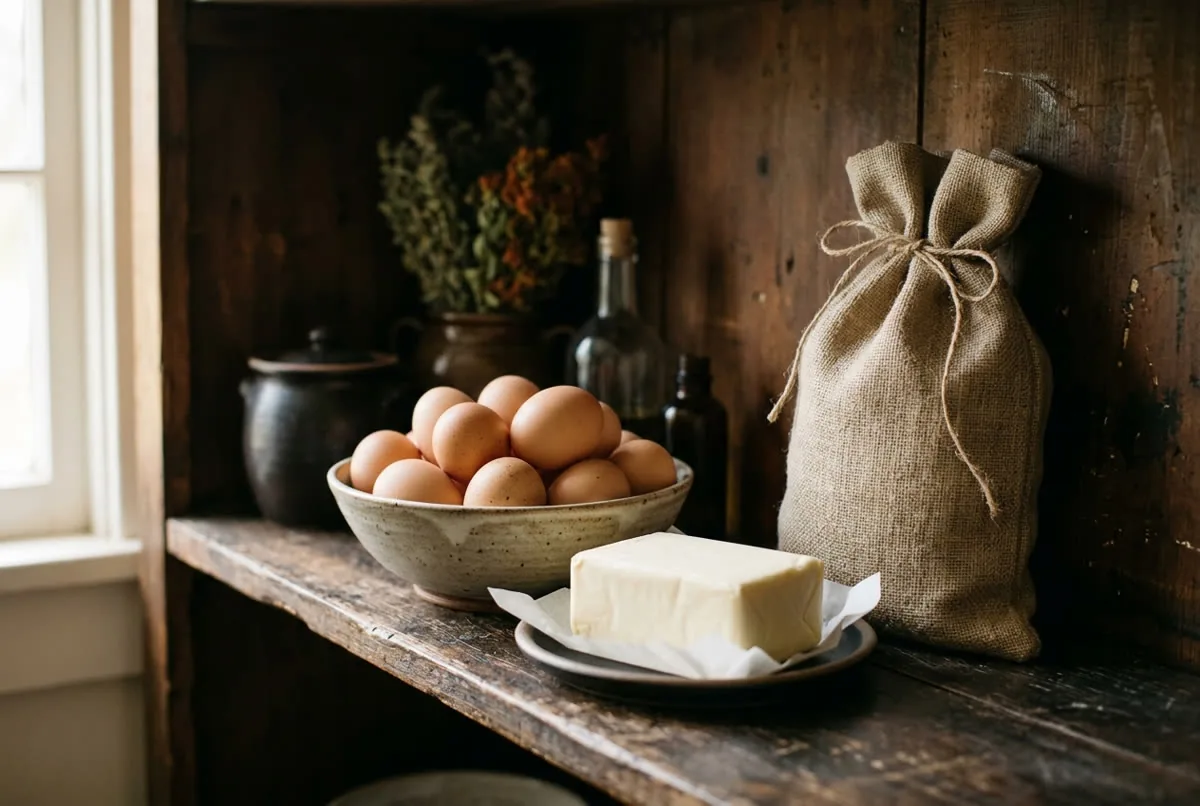
Extension shelf-life data for storing eggs, butter, and flour so holiday baking stock lasts instead of going rancid or unsafe before it's used.
Black Friday is Nov. 27. Which canning gear to buy now, which to price-check first, and which to skip, with CDC, USDA-based NCHFP and extension safety rules.
Federal shelf-life data shows which canned and dry pantry staples last for years, so Cyber Monday bulk-food deals build a durable pantry, not clutter.
Cyber Monday 2026 lands Nov 30. Here's what to check before buying a dehydrator, pressure canner, or vacuum sealer on sale.
A per-person 30-day emergency food plan: calorie math, a pounds-based starter list, kit versus pantry, storage, and what Ready.gov actually recommends.
USDA-based timelines for buying, thawing, and storing a Thanksgiving turkey and leftovers safely, plus what to do if the power goes out.
A root cellar and an unheated garage both promise cold storage, but crops want different ranges. Here's how to tell which space suits which crop.
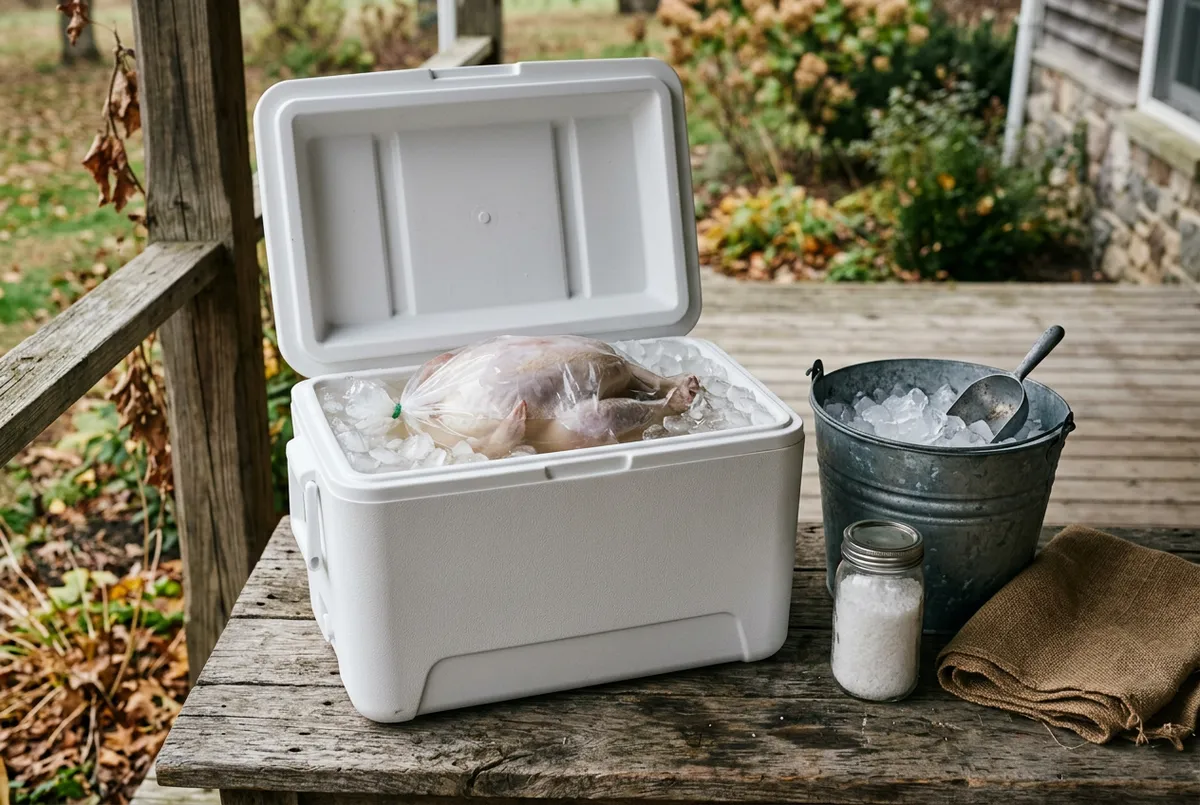
USDA allows a cooler brine only with ice and a 40°F ceiling the whole time. See the salt ratio, thaw rules, two-day limit and thermometer checks.
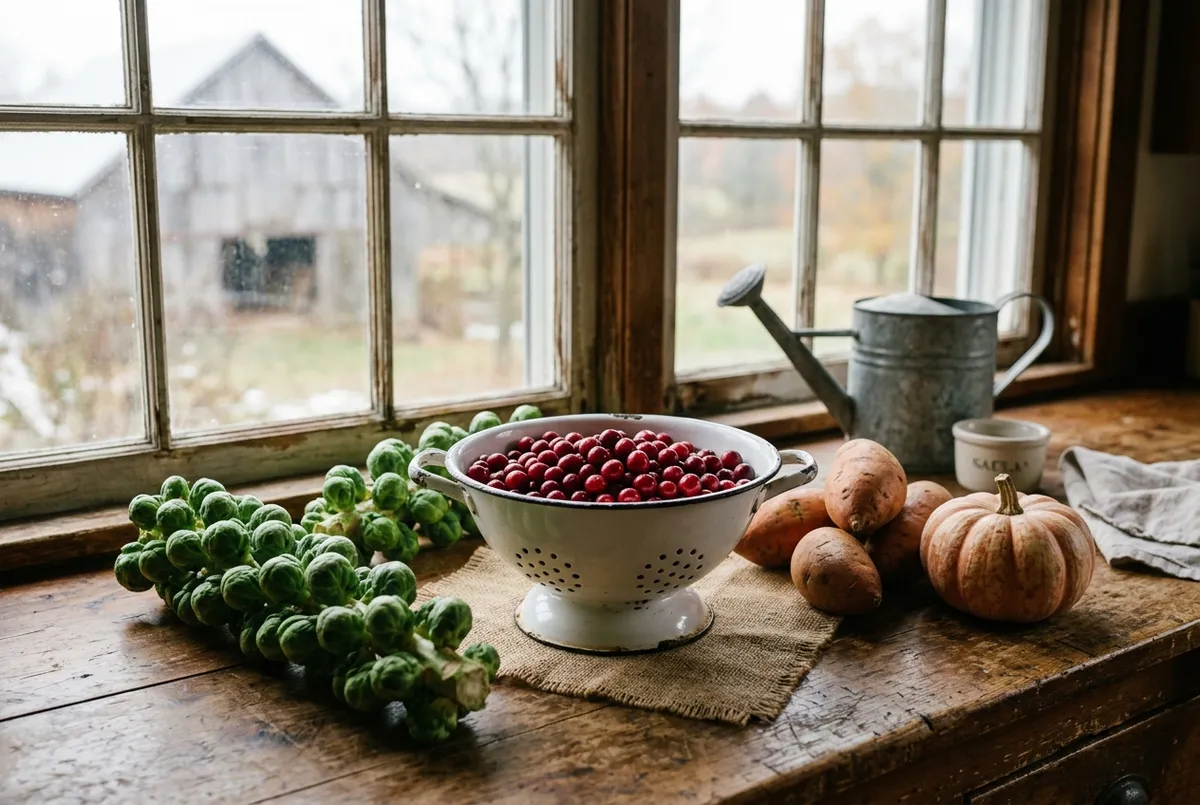
How long cranberries, sweet potatoes, squash, and Brussels sprouts actually keep before Thanksgiving, with fridge and freezer windows from Extension research.
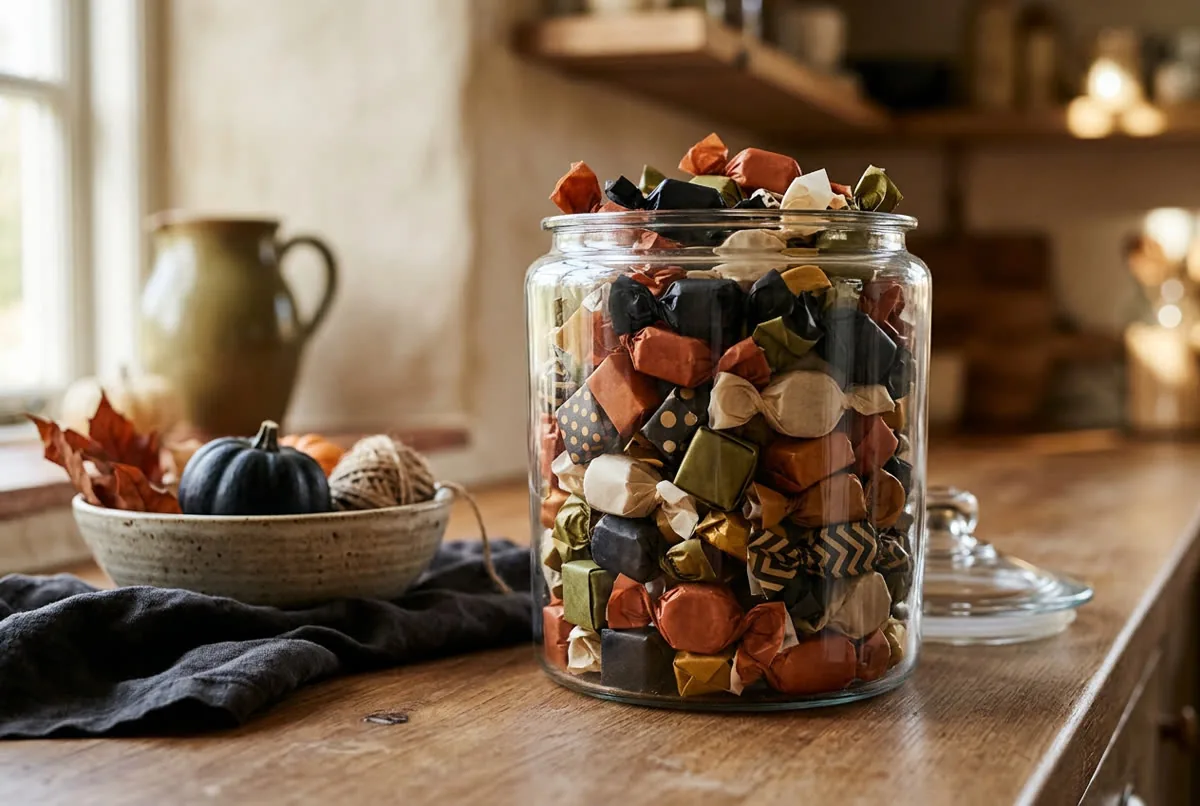
Hard candy, chocolate, and gummies each keep differently after Halloween. Here's how long leftover candy actually stays safe, by type.
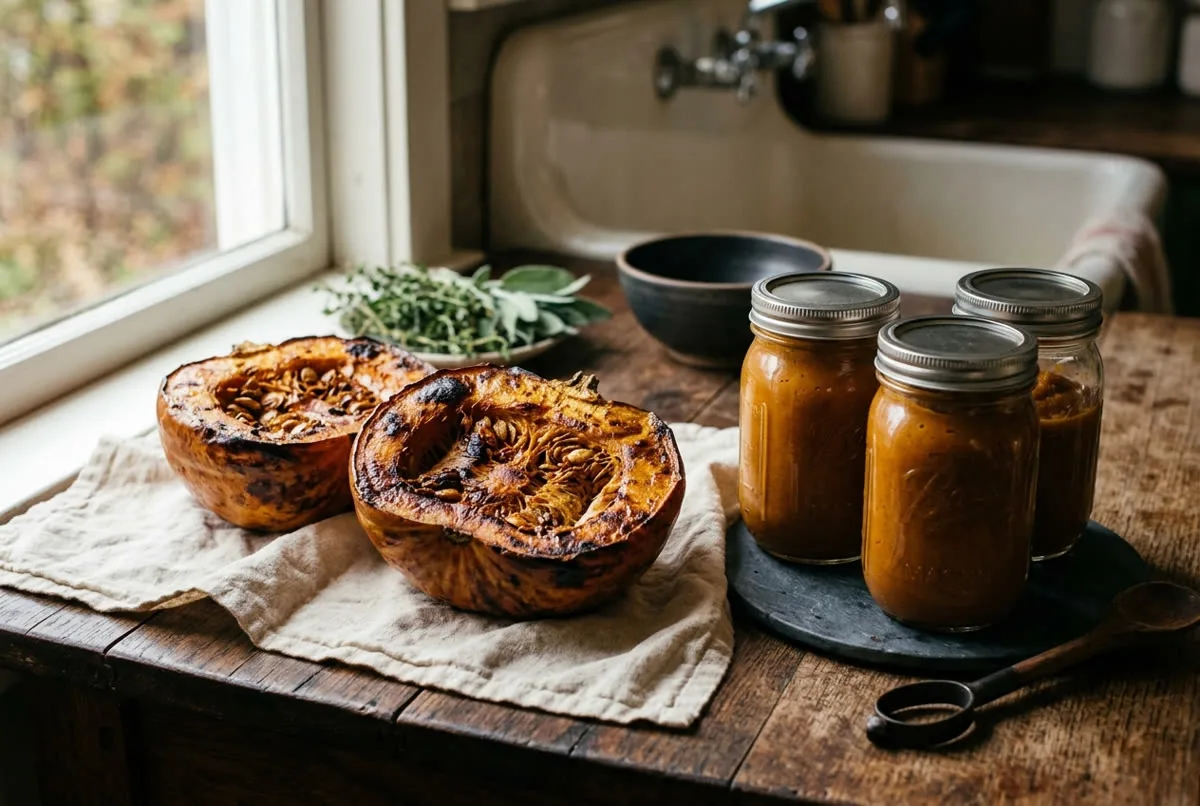
NCHFP and Penn State Extension guidance on cooking, cooling, and freezing pumpkin puree safely, and why pressure canning puree isn't a safe option.
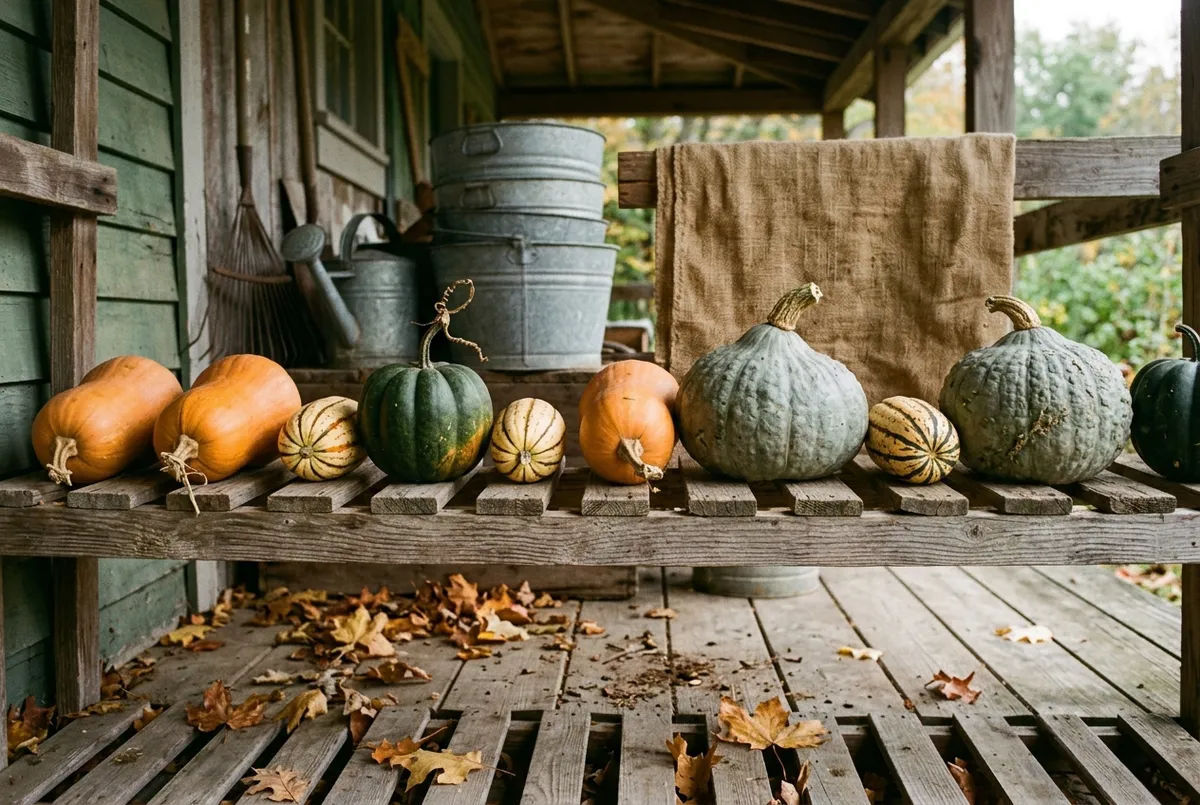
Extension-backed curing temps, humidity, and storage life by variety, acorn, butternut, and Hubbard squash, not just pumpkins.
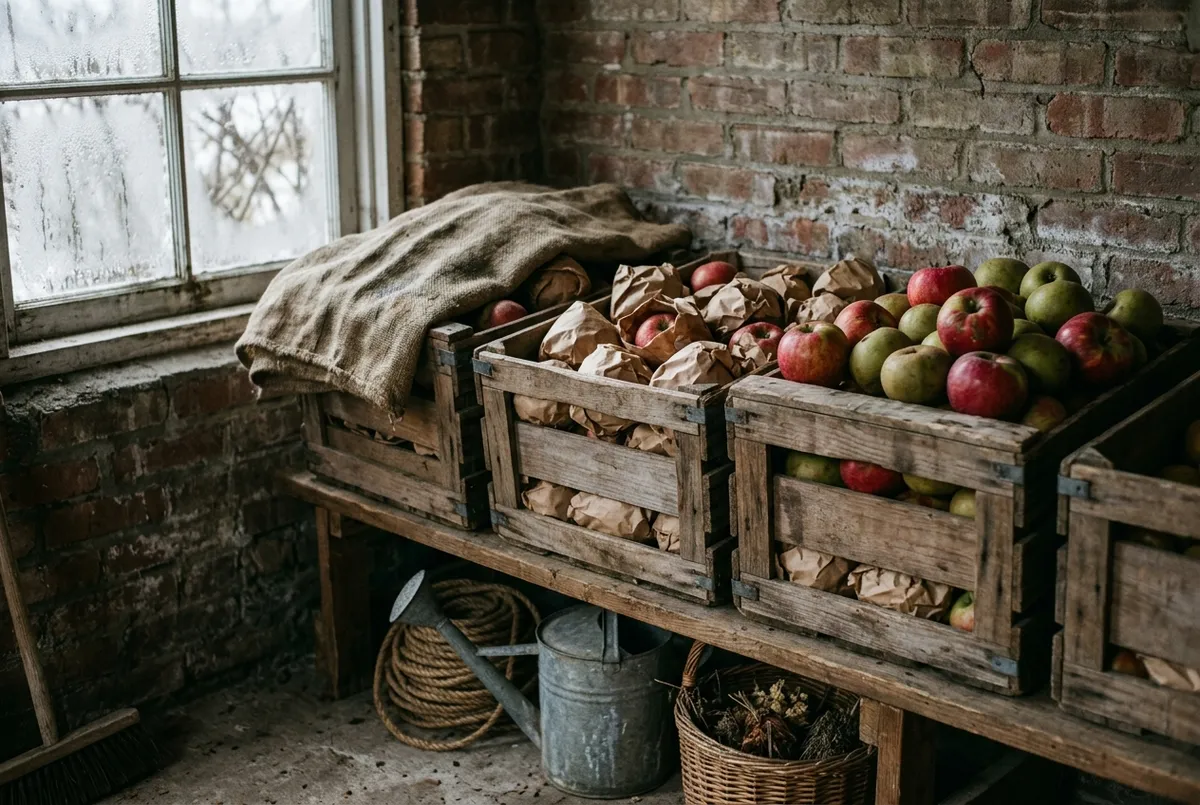
How to store apples for months without a root cellar, using the temperature and humidity ranges university extension research recommends.
Archery season opens in October in many states. Here's how much freezer space a whole deer actually needs, and how to keep venison safe through the season.
A Min/Max root cellar thermometer review: how it records overnight highs and lows, why it saves a harvest, accuracy, placement, and whether it's worth buying.
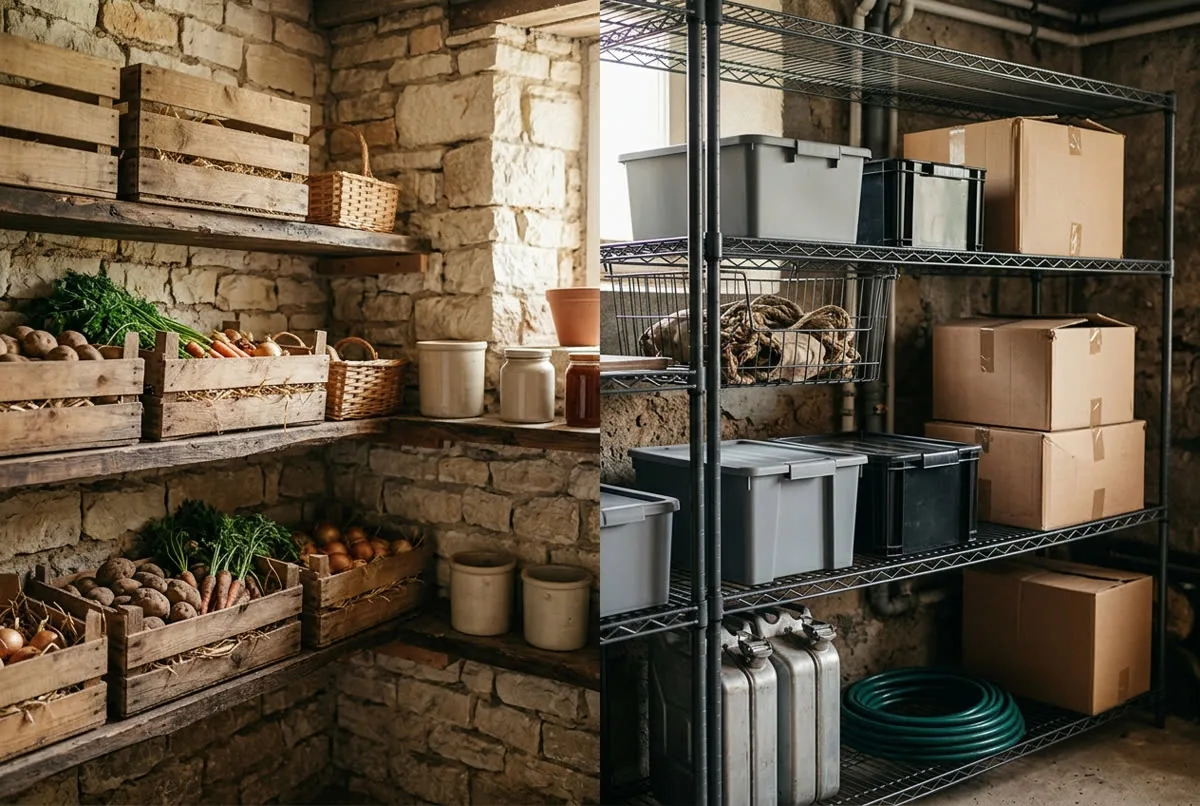
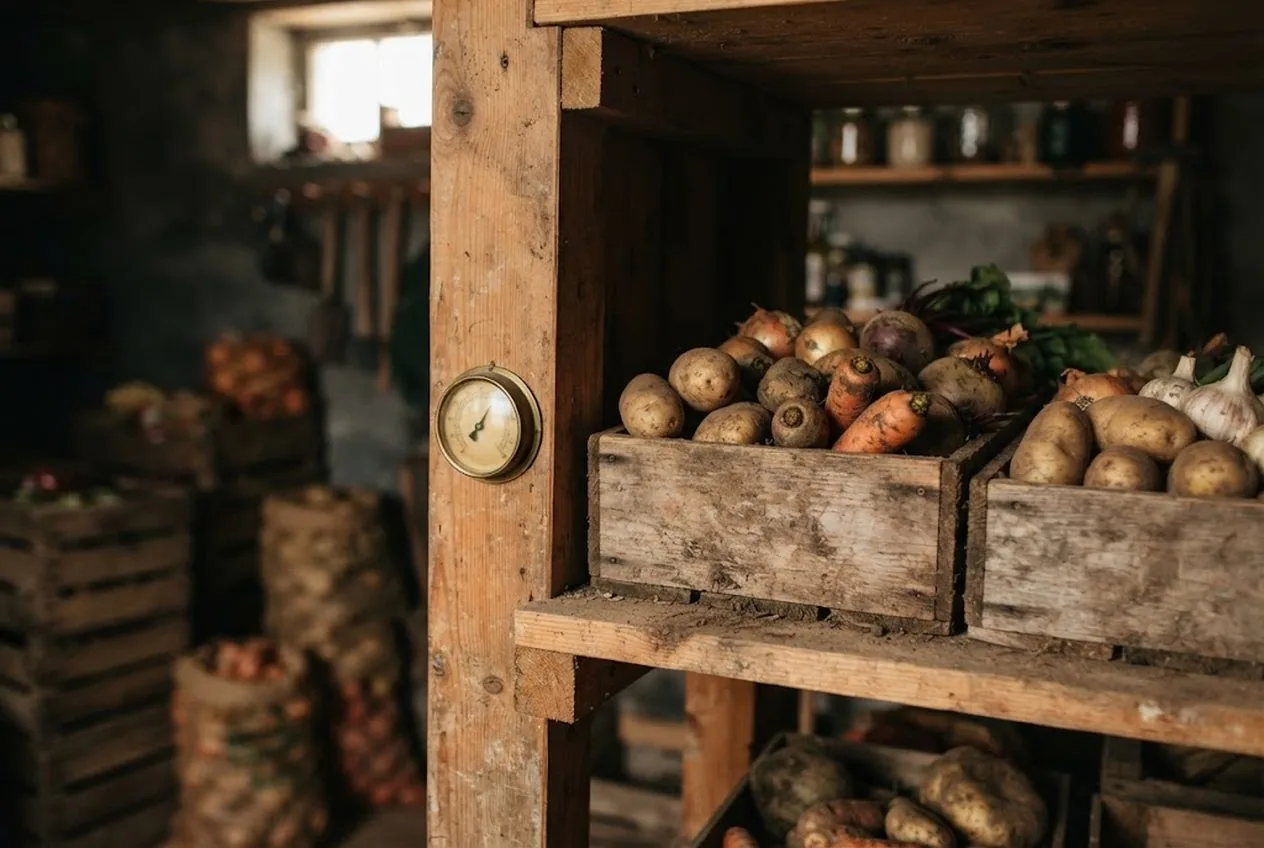
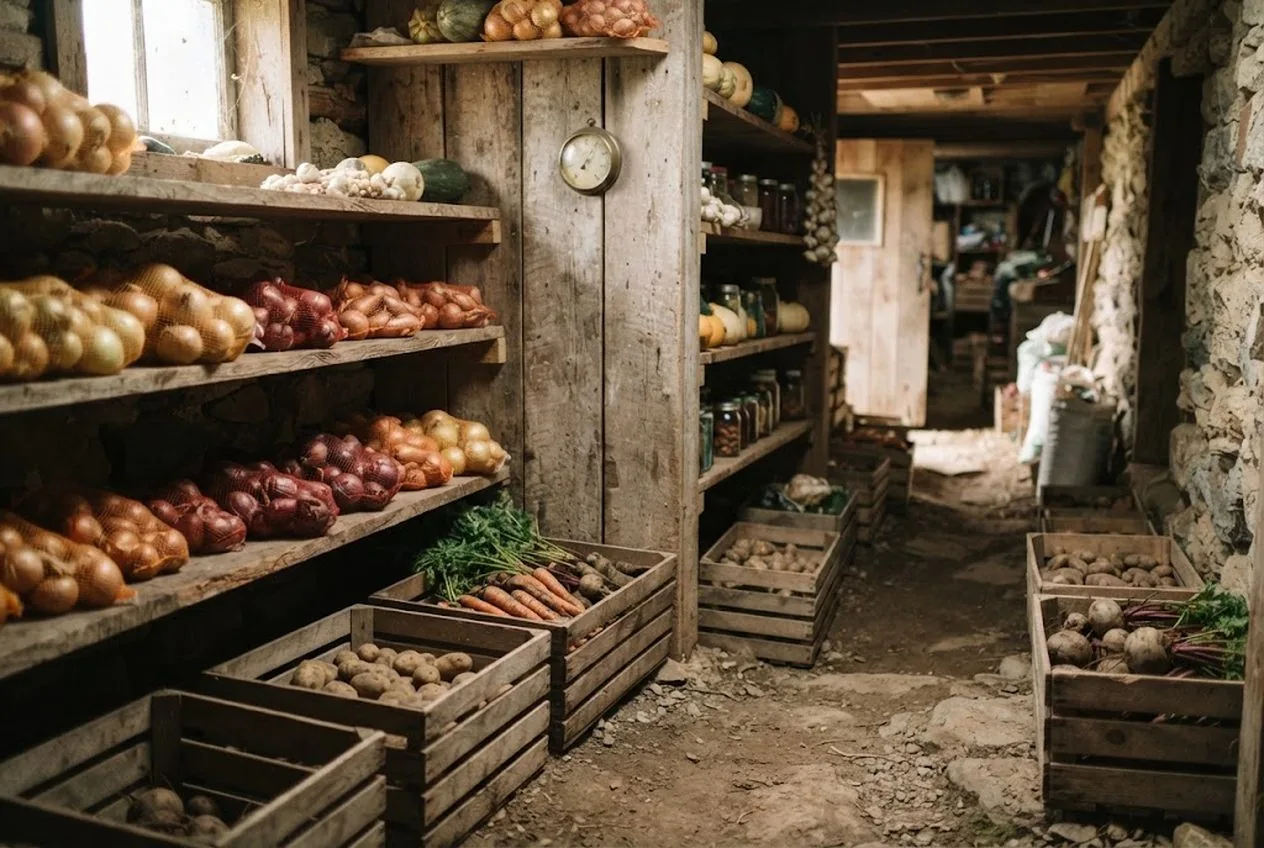
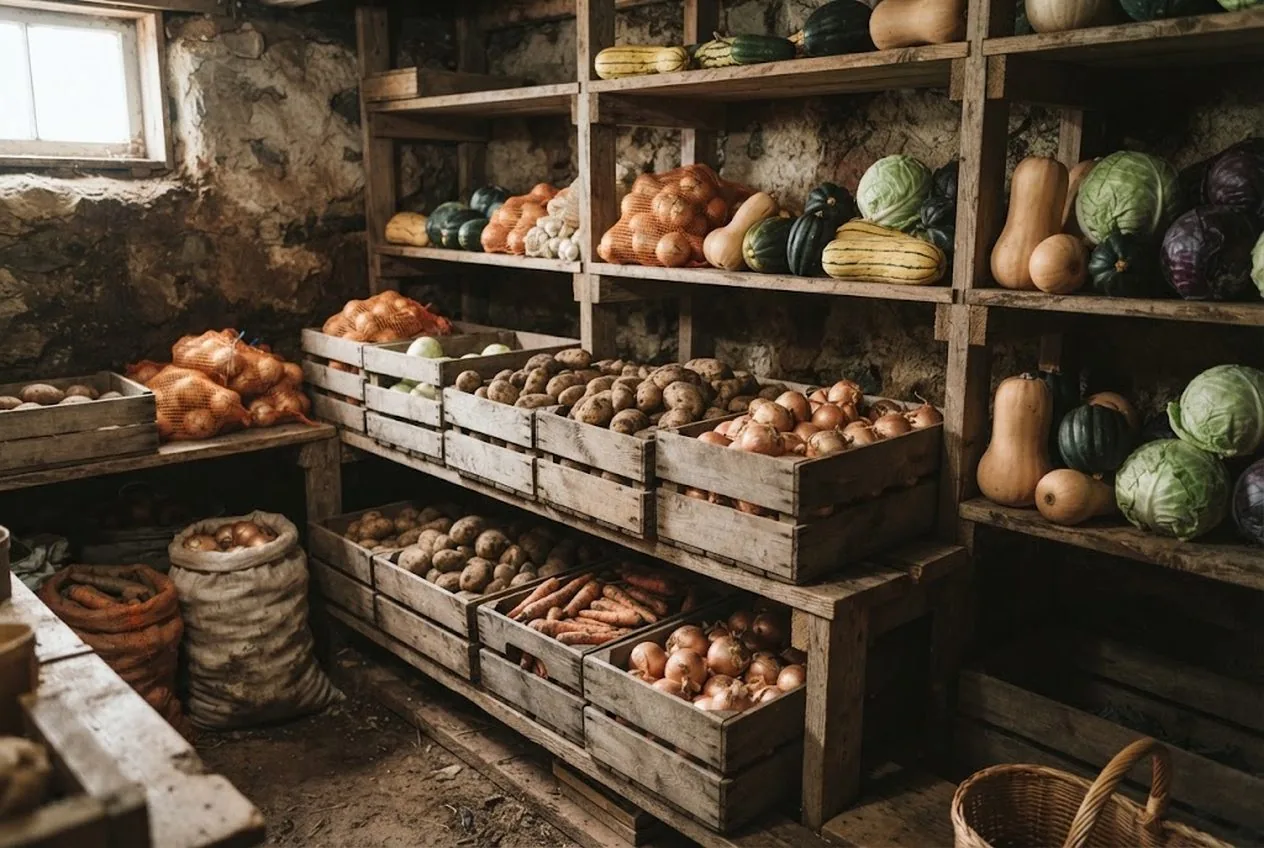
How to organize a root cellar for winter — the two storage zones, airflow, shelf layout, crate placement, and monitoring so your harvest keeps until spring.
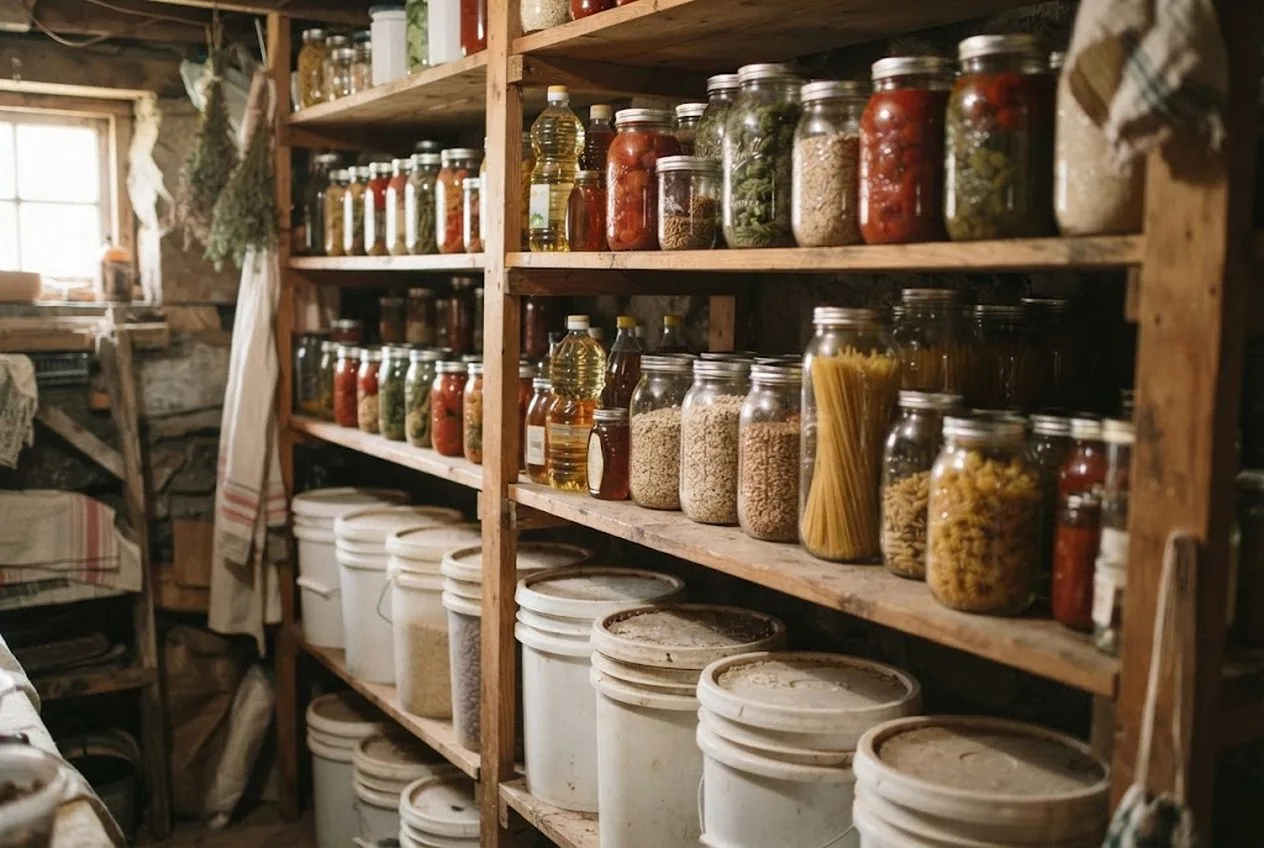
Set up FIFO pantry rotation using USDA's shelf-stable storage chart, so canned goods and dry staples get used before they age past their best quality.
Gamma Seal lids vs standard bucket lids: airtight resealing, ease of access, cost, and which lid to use for deep storage versus everyday staples.
15 foods to stockpile for a one-year pantry: calorie-dense staples, protein, fats, and morale foods that store for years, plus how to store each so it lasts.
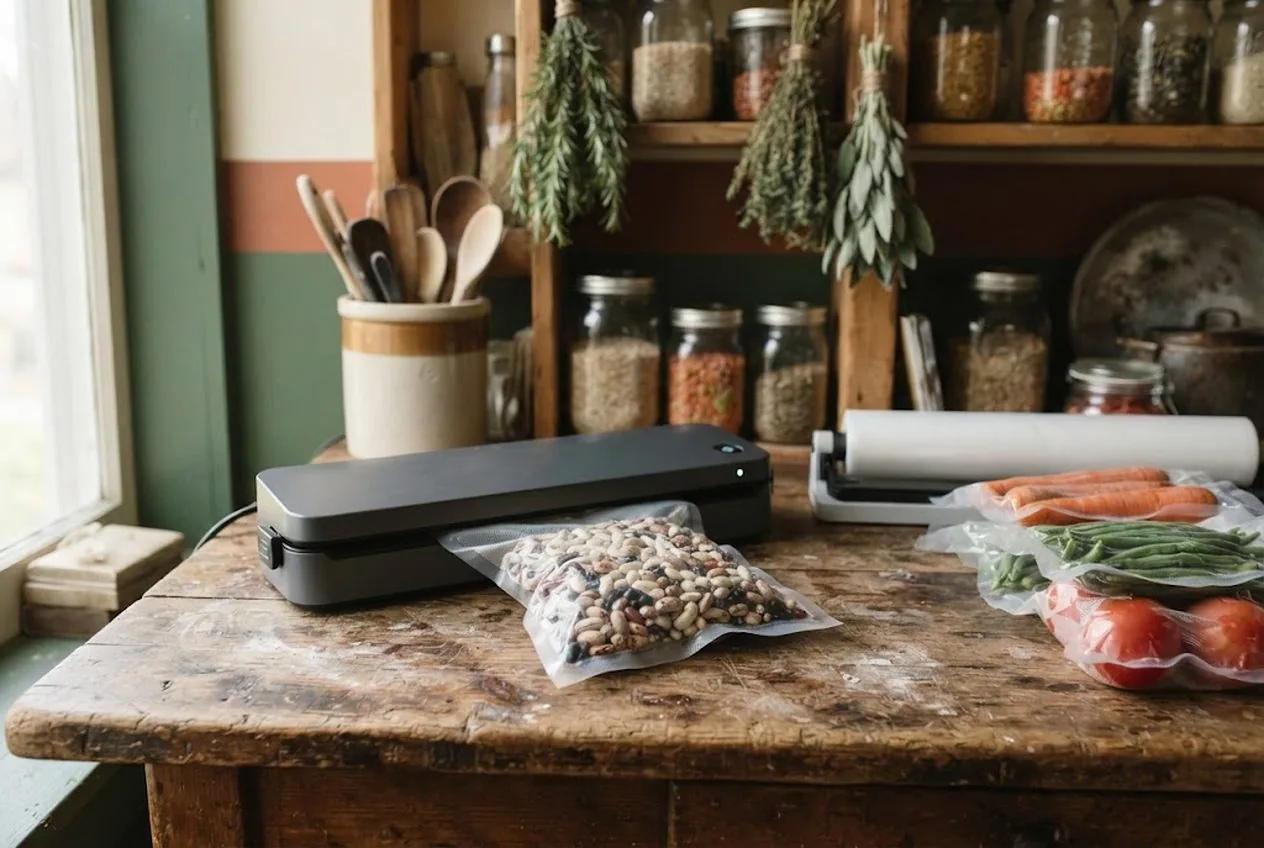
Is a vacuum sealer worth it for long-term food storage? An honest verdict on where it earns its cost, where Mylar beats it, and which machine to buy if yes.
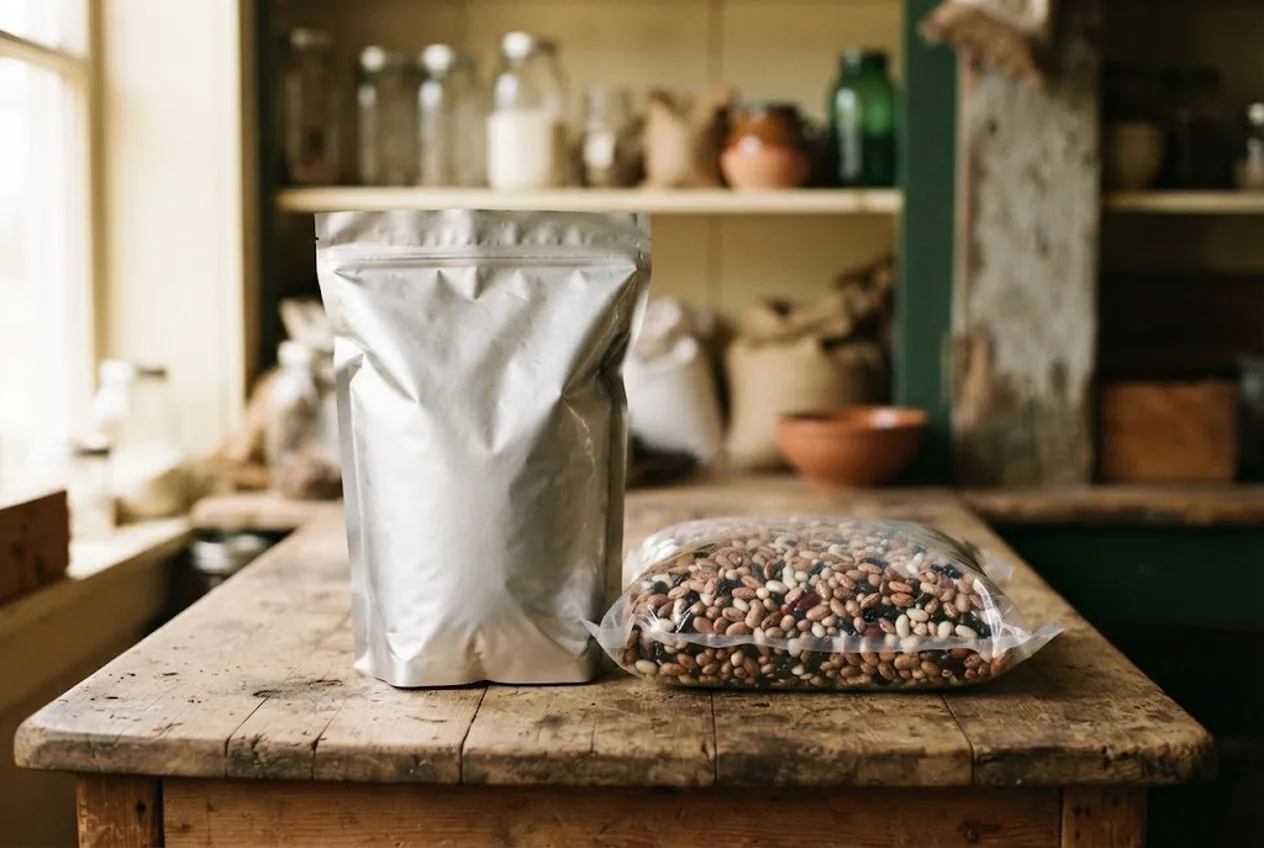
Mylar bags vs vacuum sealing for food storage: the oxygen barrier, real shelf life, cost, and which method to use for decades-long staples versus everyday food.
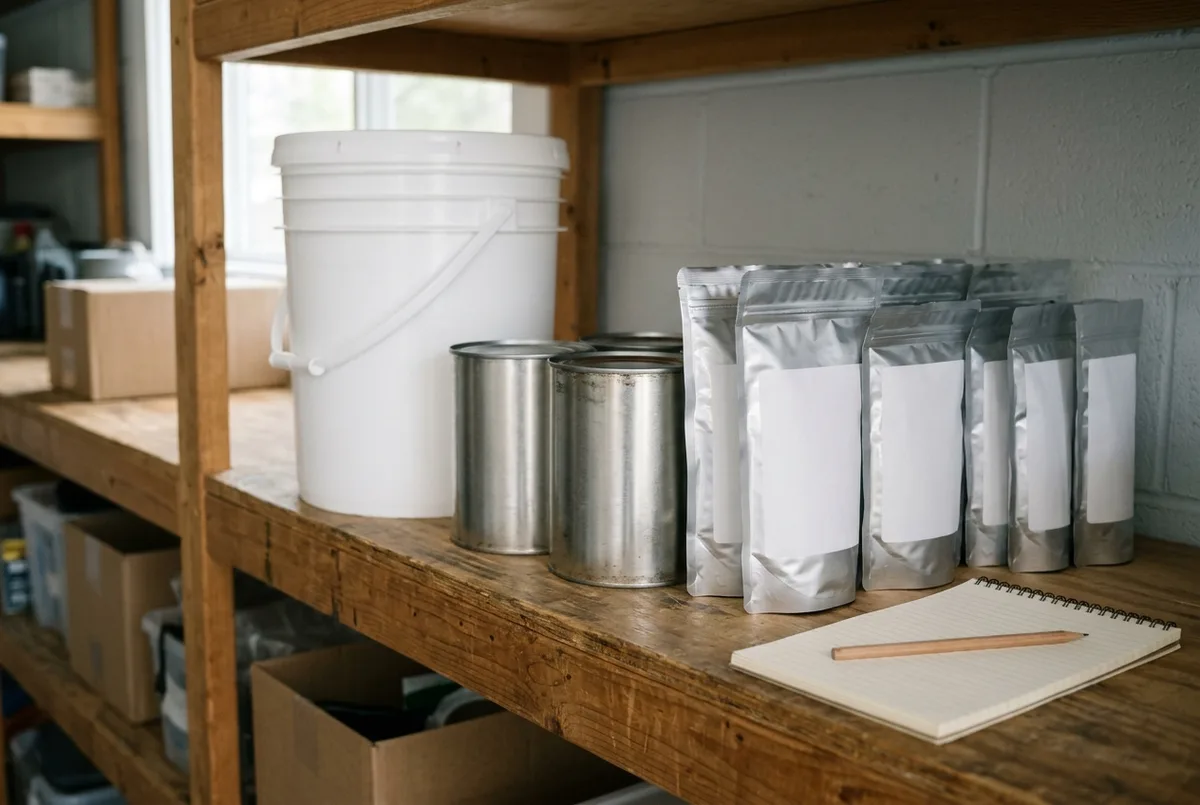
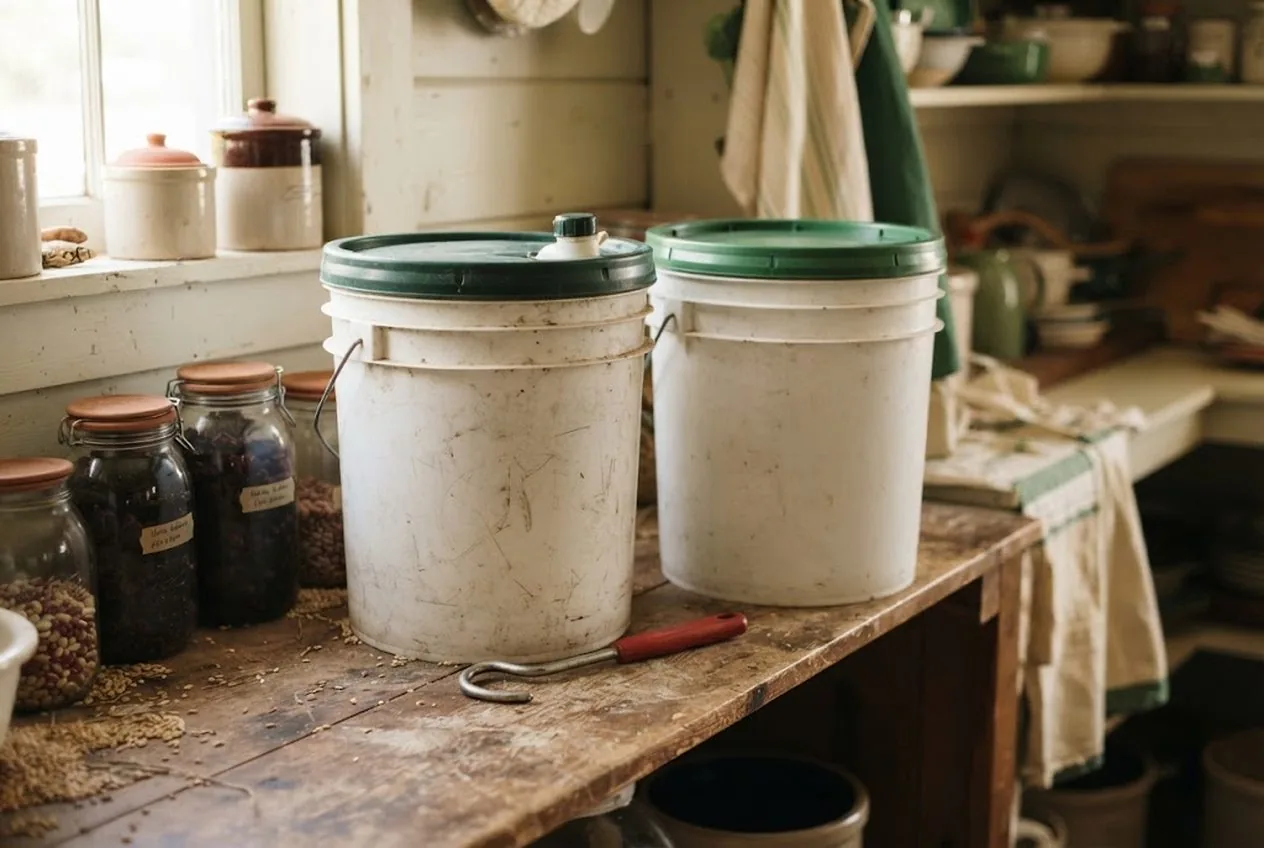
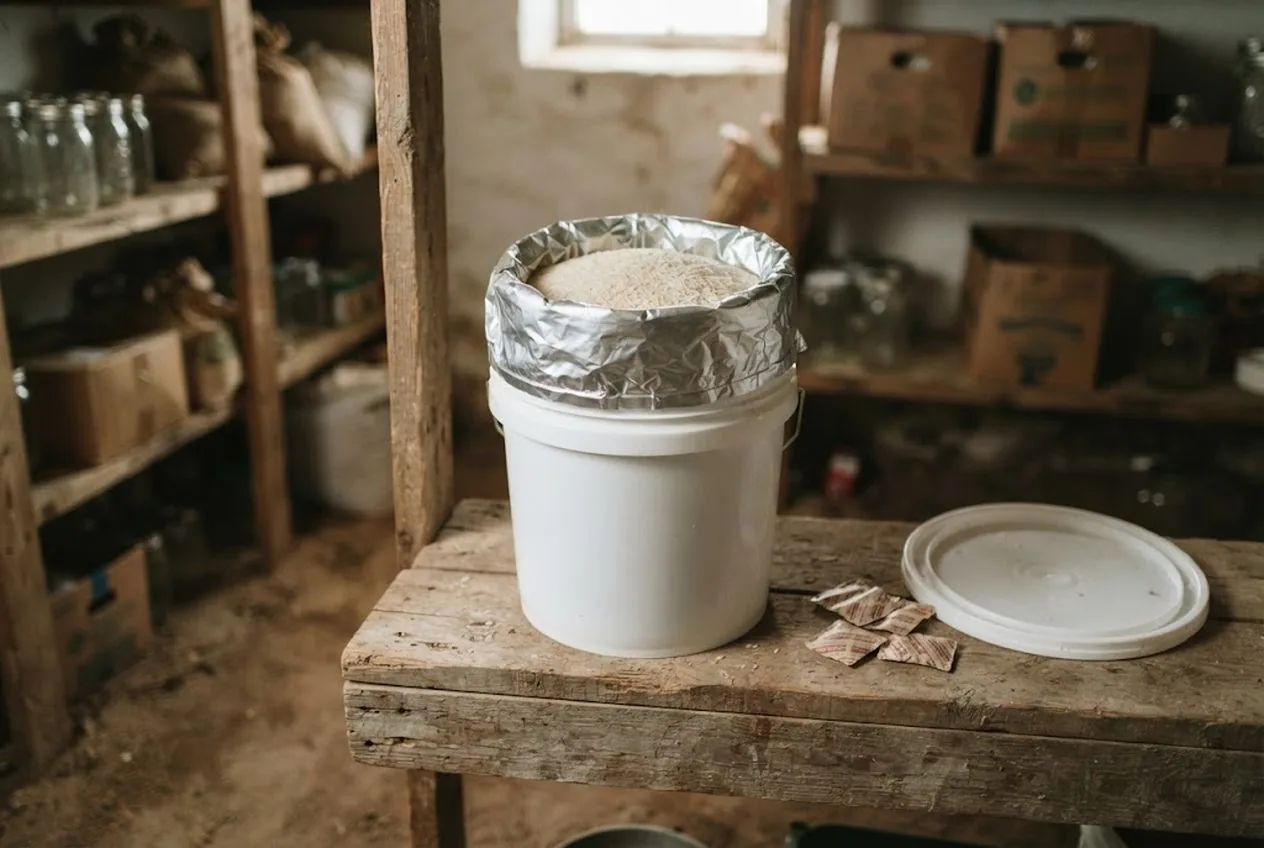
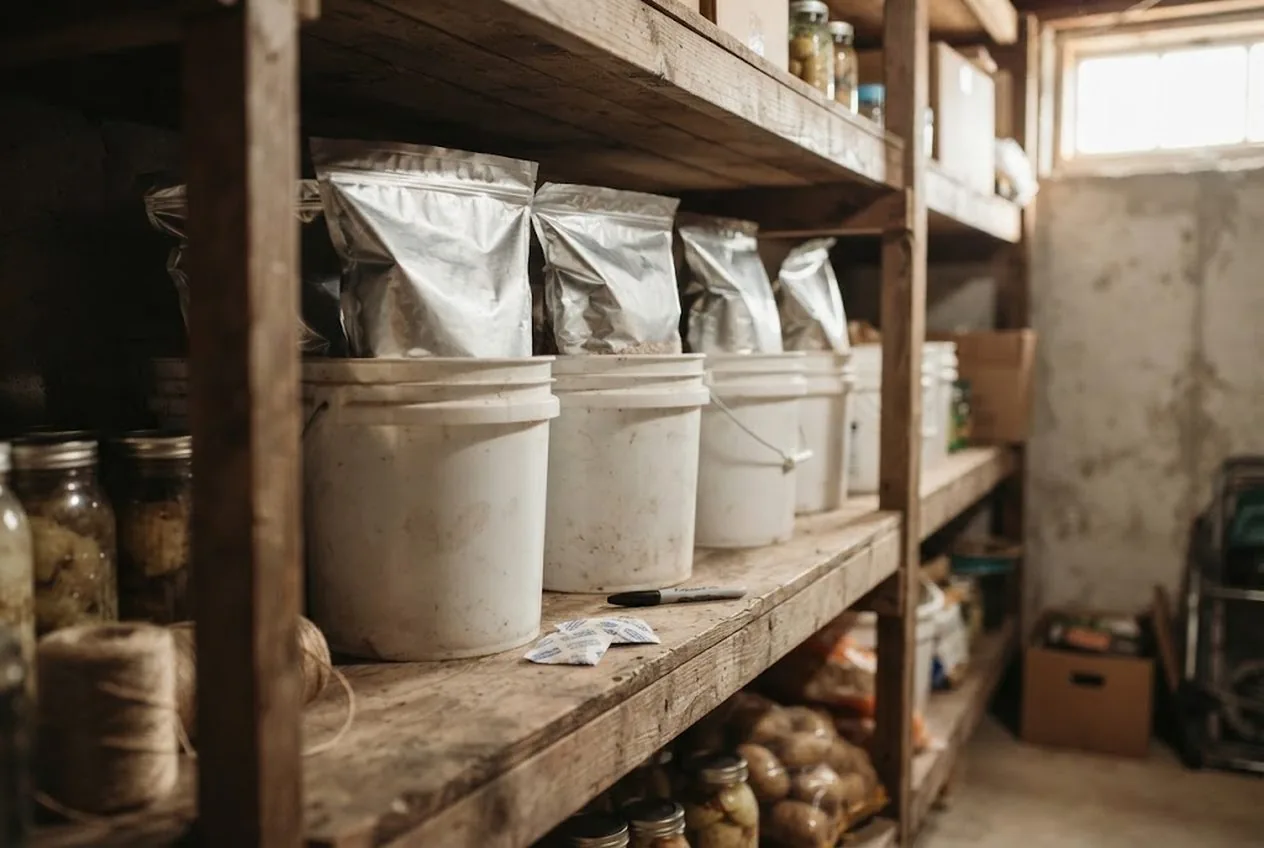
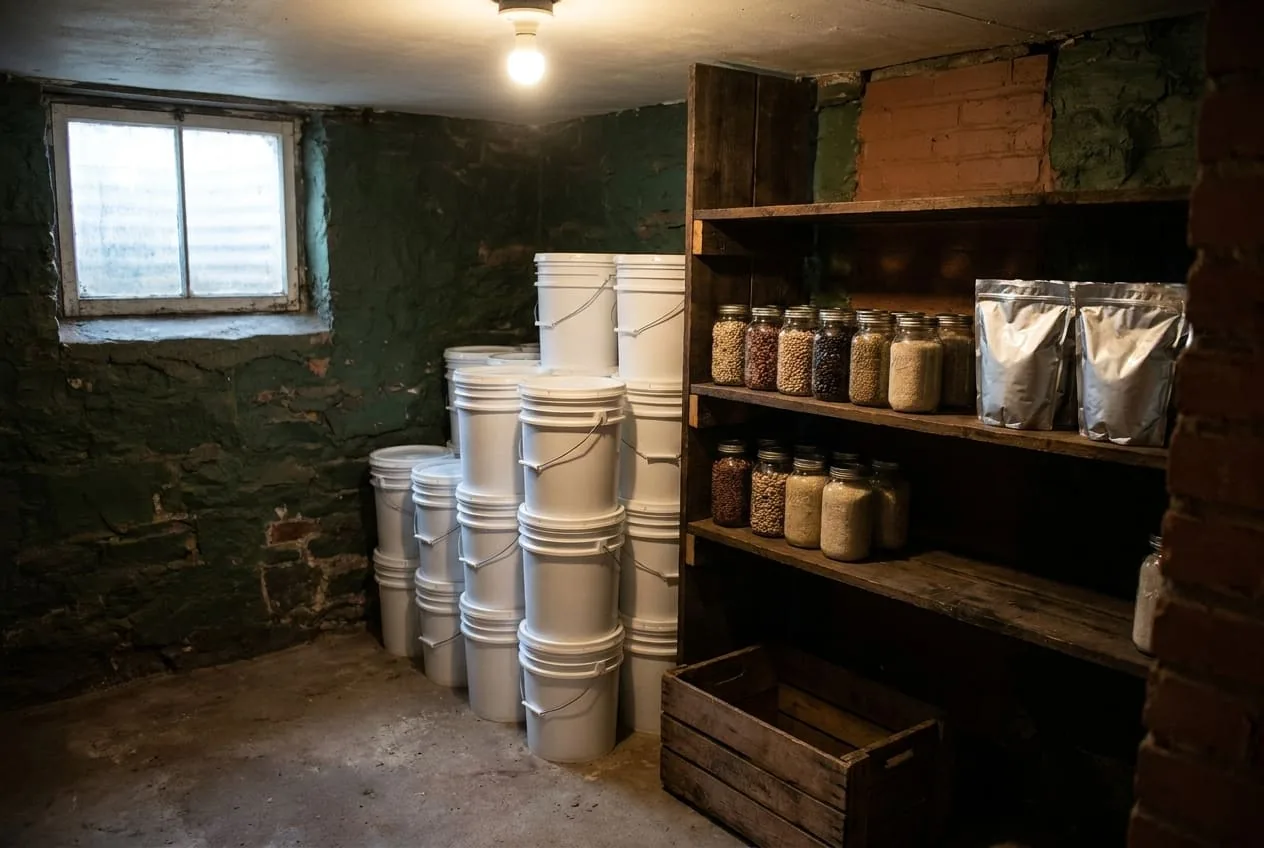
How to pack a 5-gallon bucket for 25-year food storage: food-grade buckets, a Mylar liner, correctly sized oxygen absorbers, sealing, labeling, and storage.
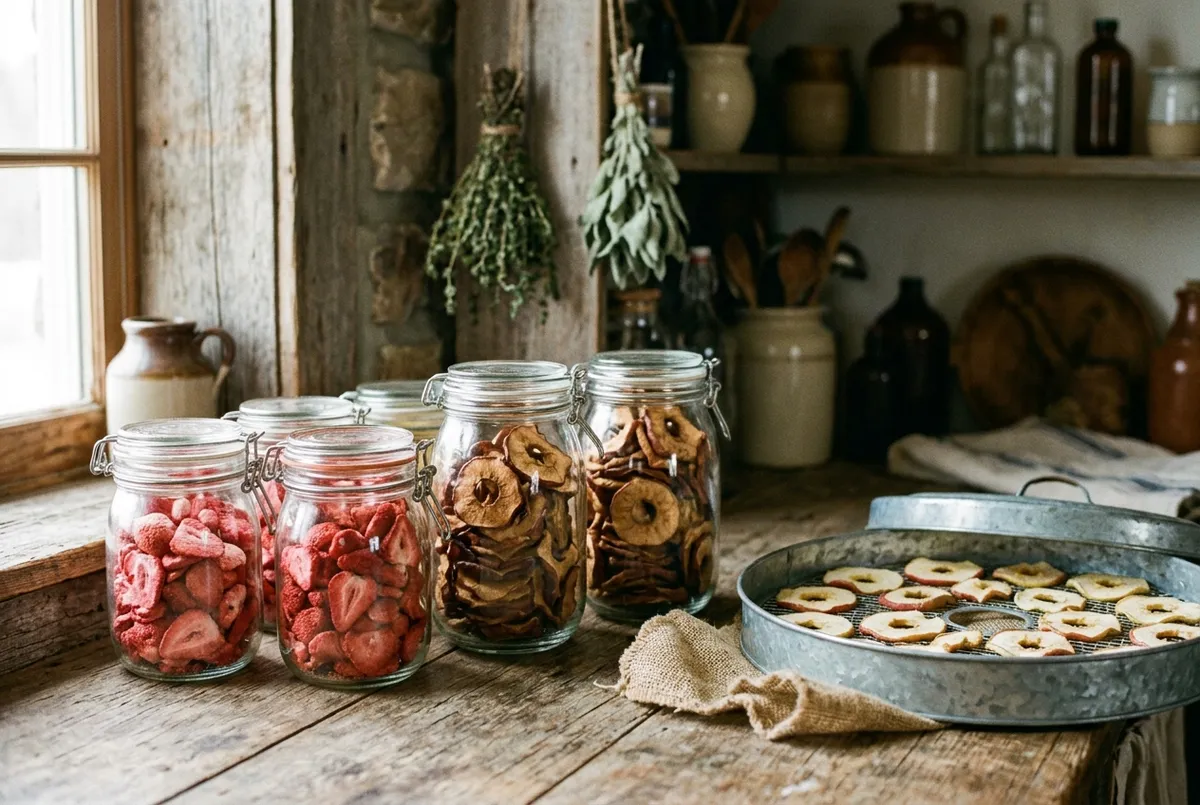
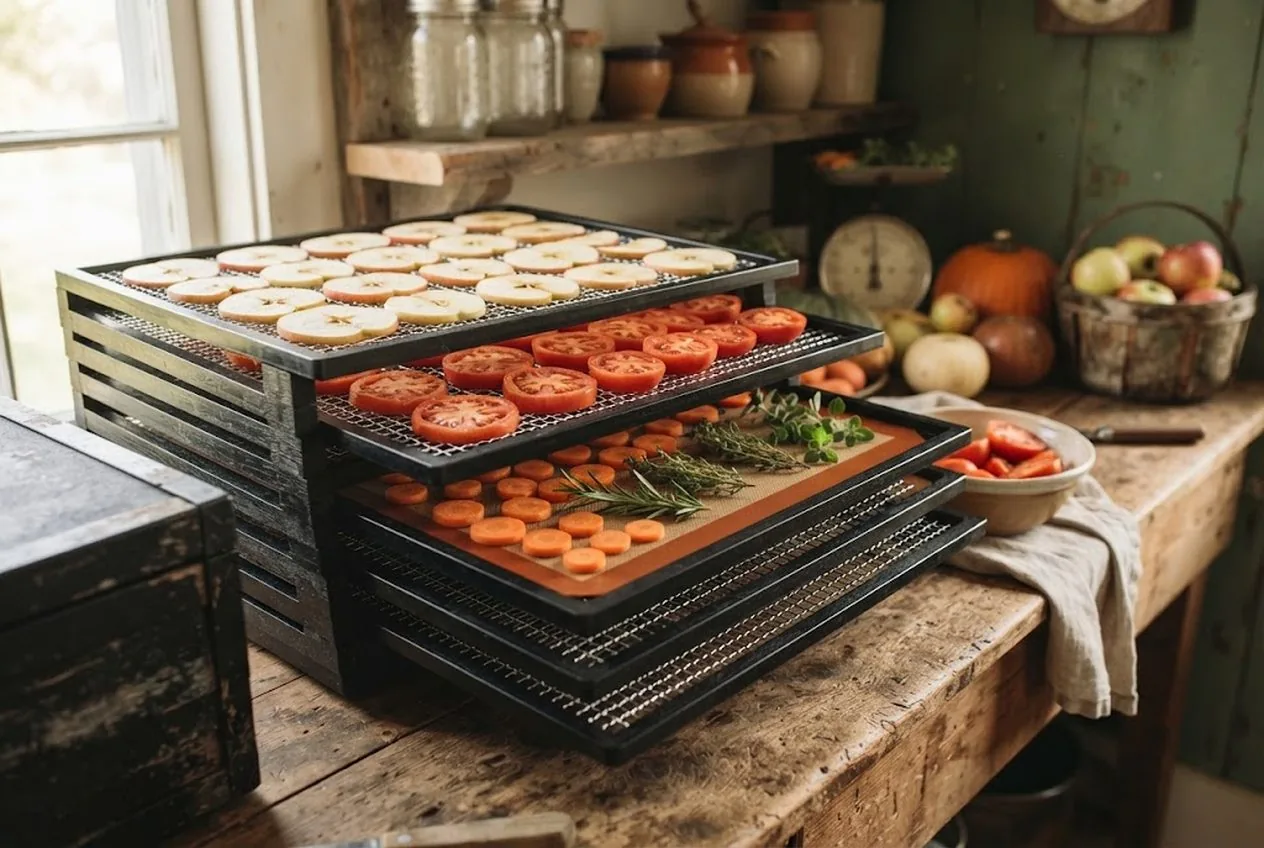
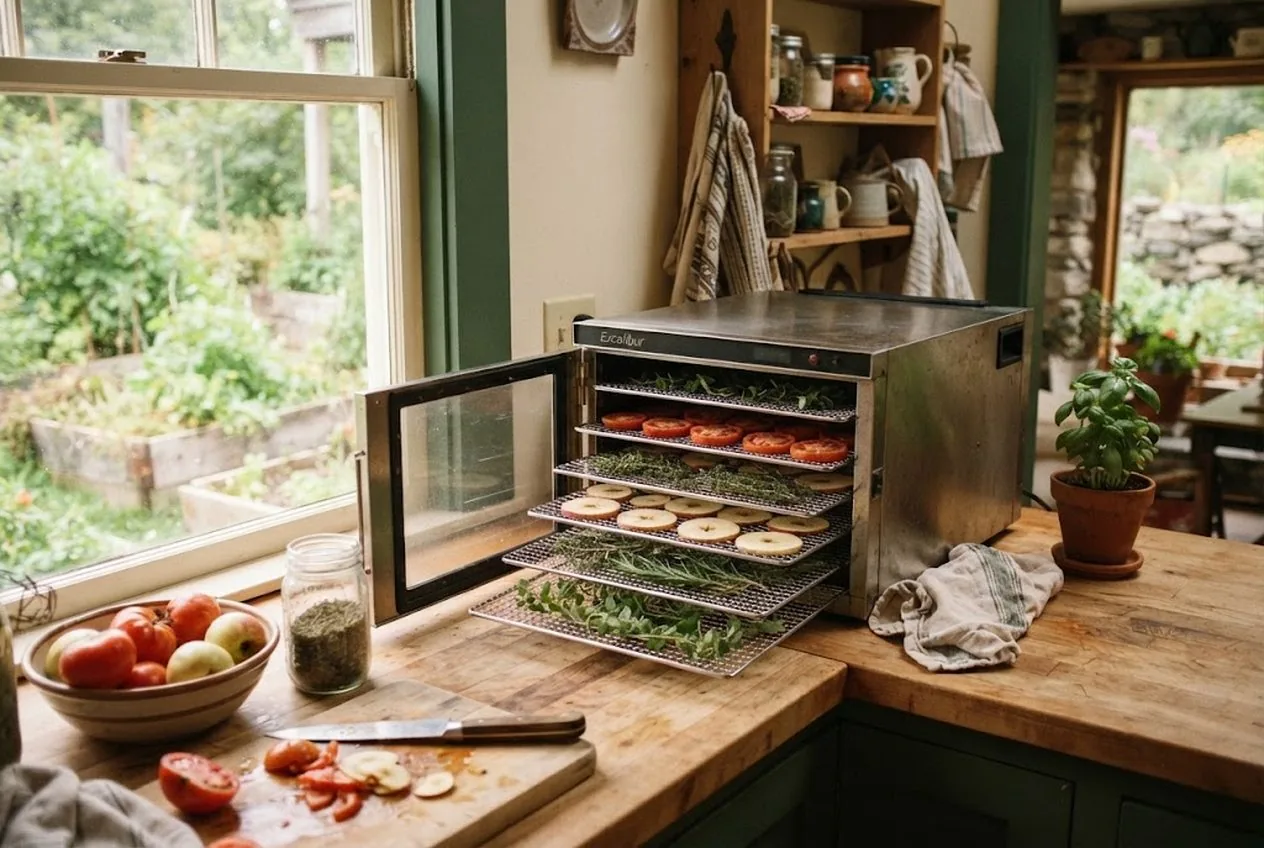
How to dehydrate your fall harvest step by step: prep and blanching, the right temperature for each crop, how to tell when it's done, conditioning, and storage.
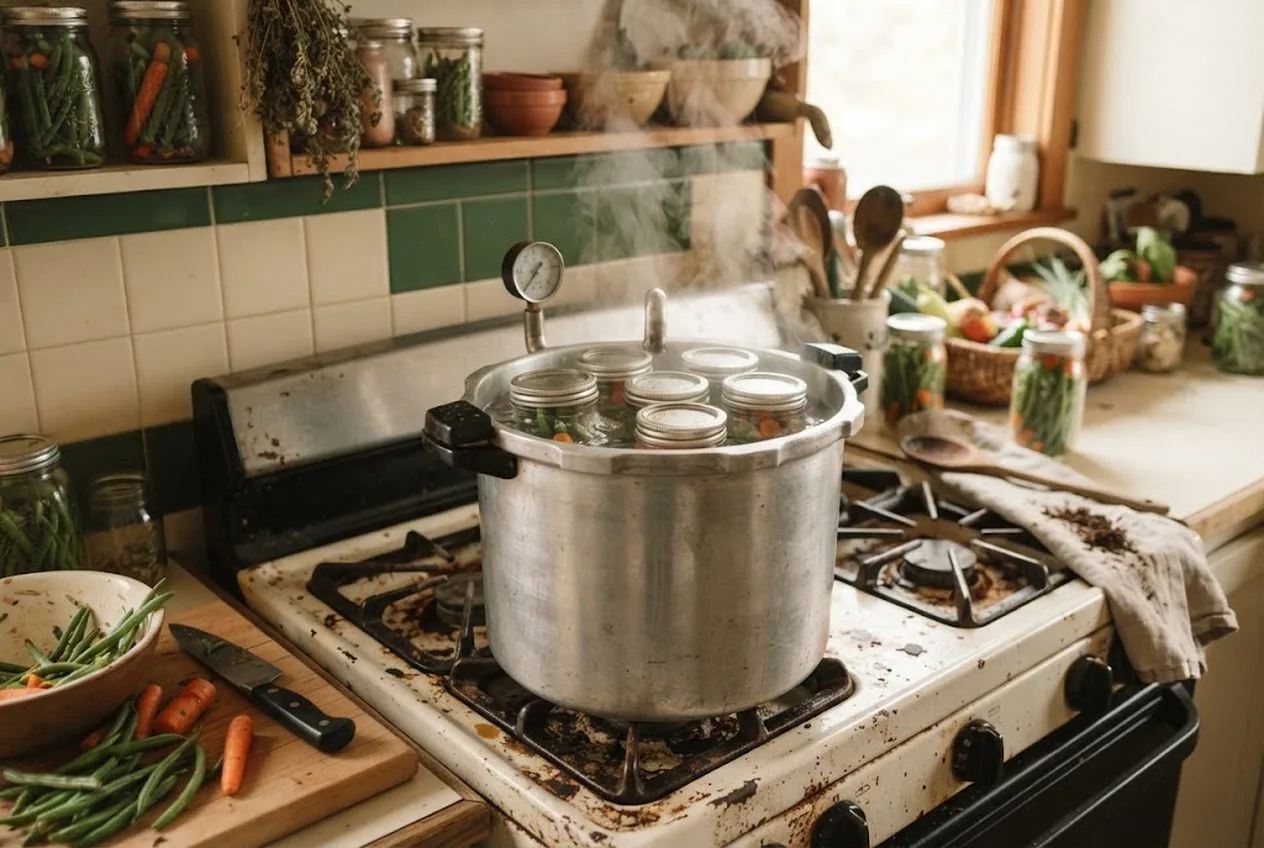
A Presto pressure canner review for the fall harvest: capacity, the dial gauge, ease of use, what it cans safely, and whether it's the right first canner.
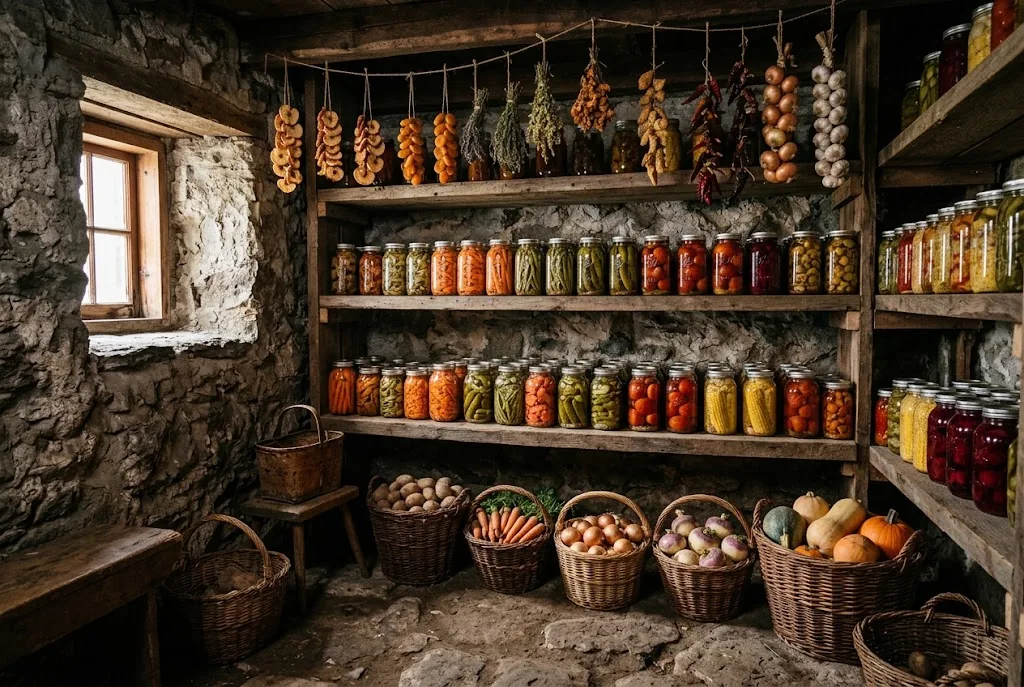
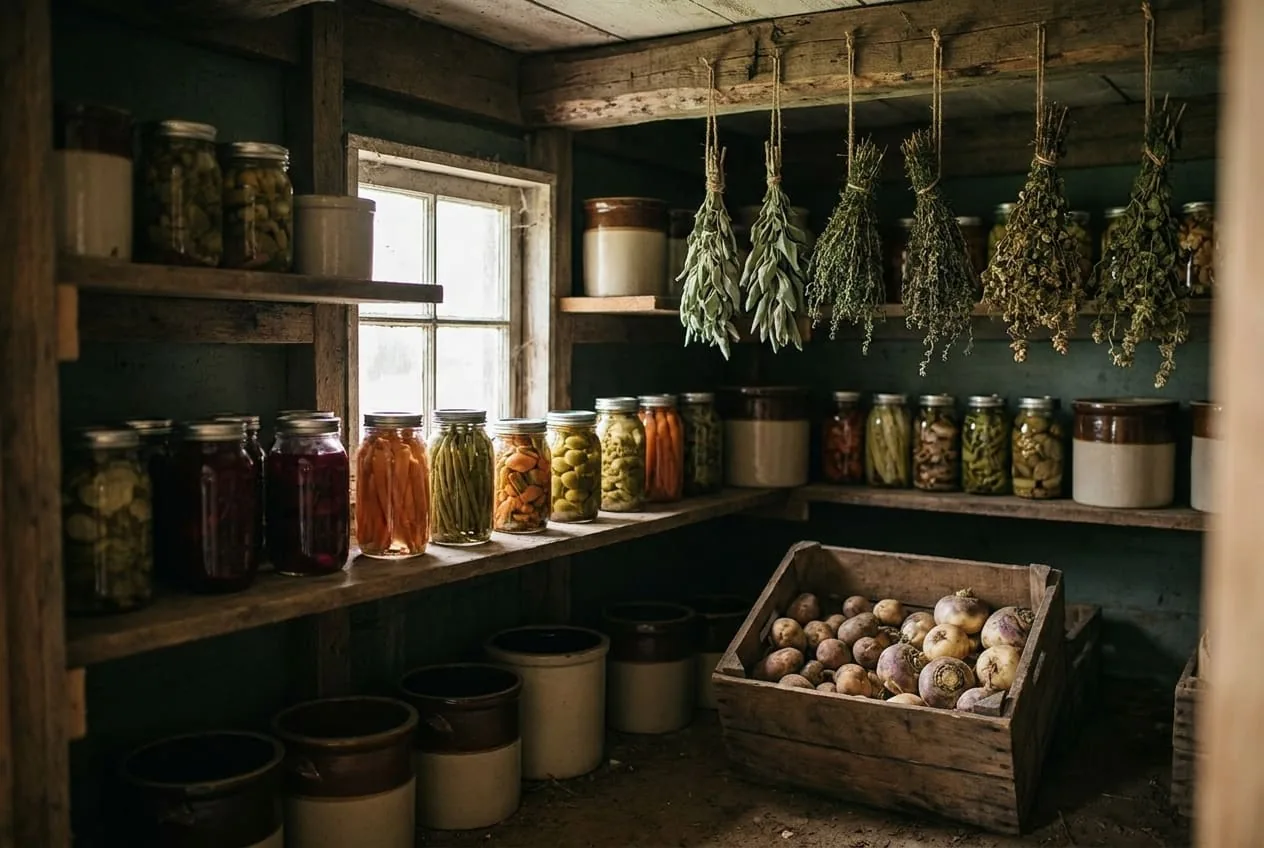
A fall vegetable root cellar storage list: which crops keep for months, the ideal temperature and humidity for each, and how to store them so they last.
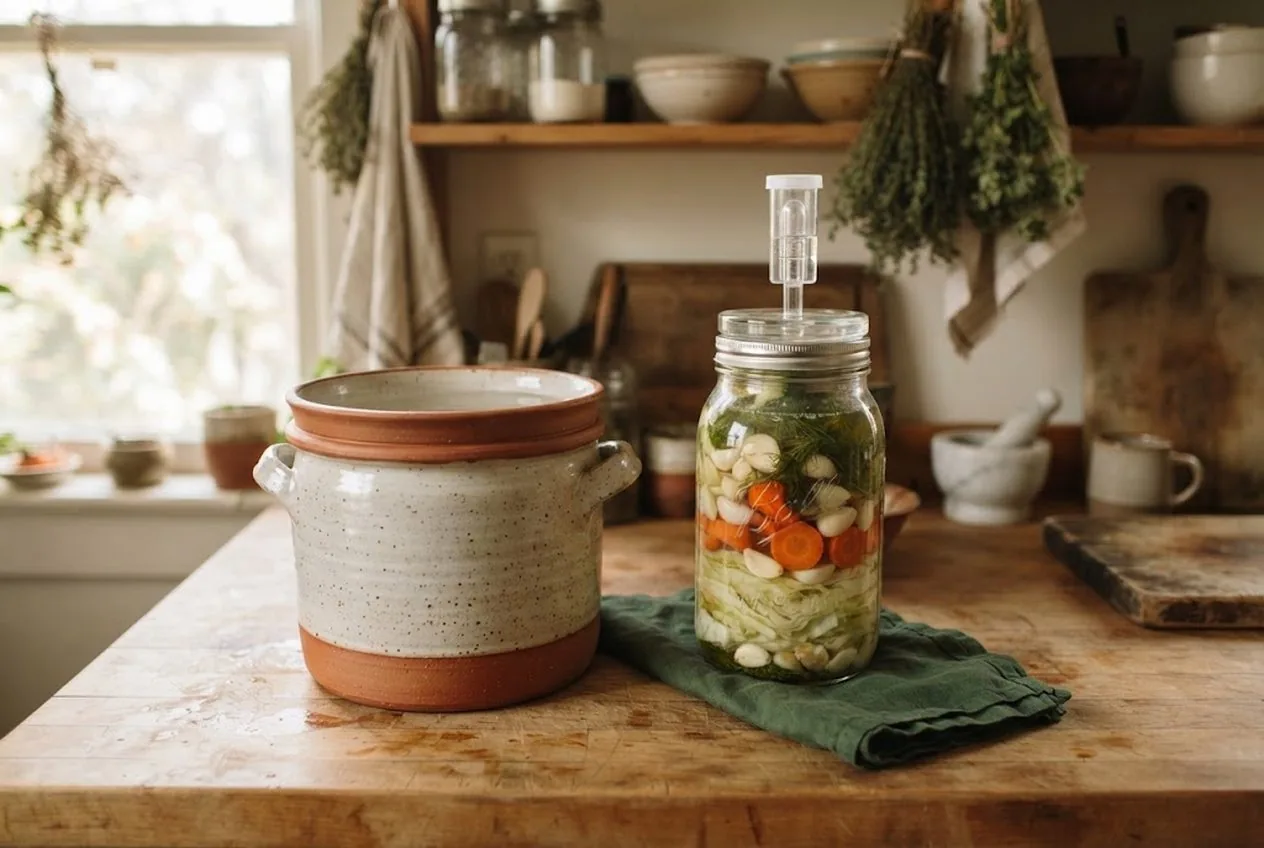
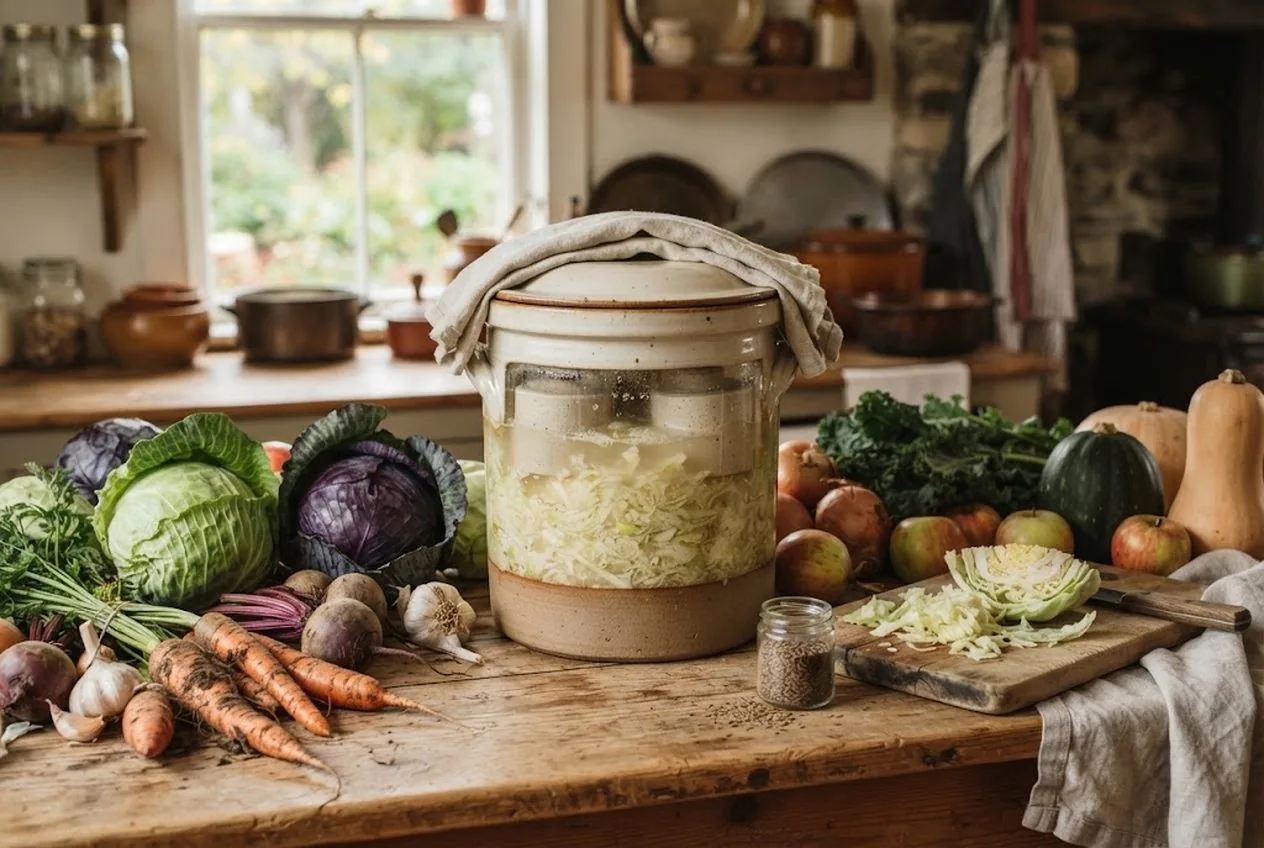
Fermentation crock vs mason jar compared: the water-seal vs airlock, batch size, mold risk, cost, and which one to buy first for sauerkraut, kimchi and pickles.
How to ferment vegetables in a crock, step by step: the 2% salt brine, keeping everything submerged, the right temperature, timing, and how to fix problems.
Long-term food storage with Mylar bags and oxygen absorbers, step by step: which foods qualify, absorber sizing, sealing, buckets, and the real shelf life.
The best food dehydrator for preserving the garden, reviewed: the Cosori vs a Nesco Snackmaster and a budget pick on trays, airflow, temperature and noise.
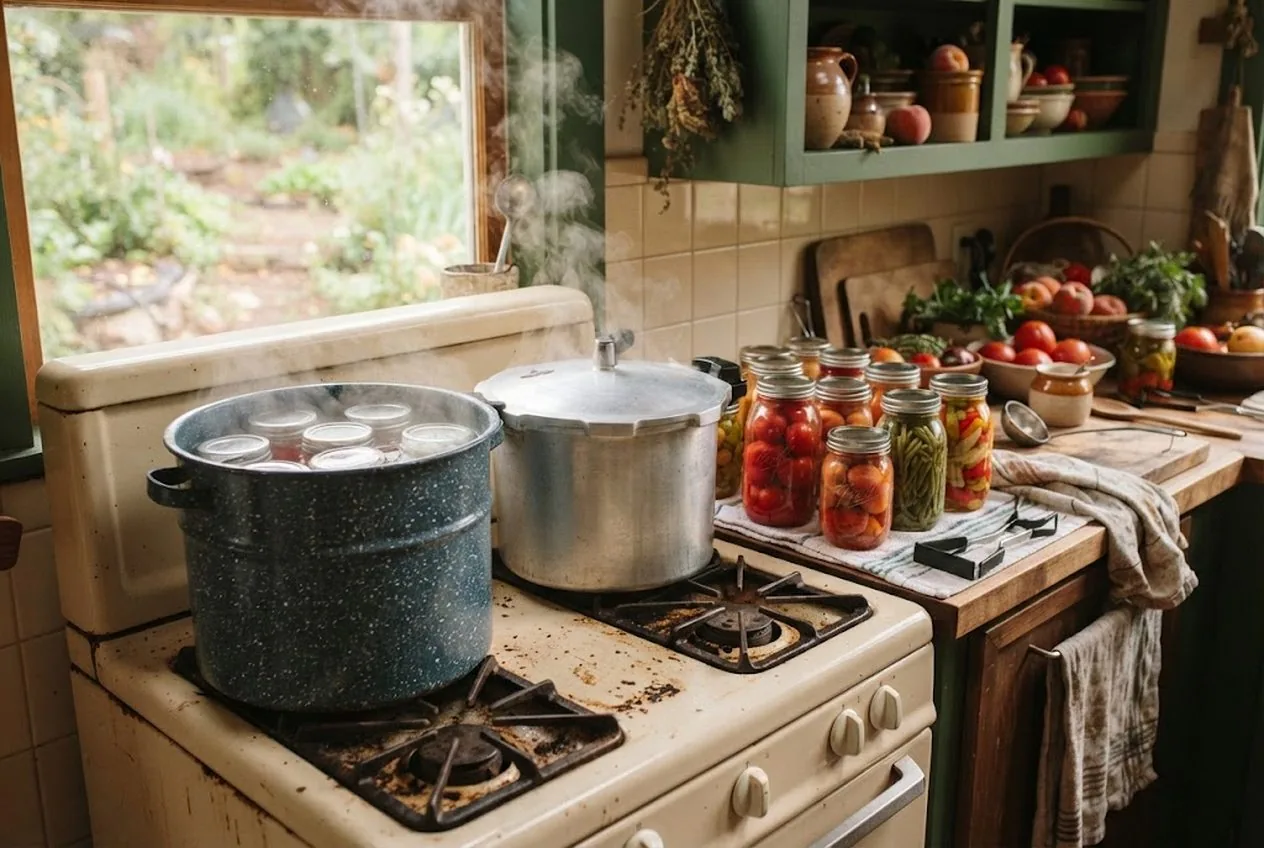
Water-bath vs pressure canning explained: which method is safe for each food, the pH 4.6 acid line, the gear and cost, and how to choose for your harvest.
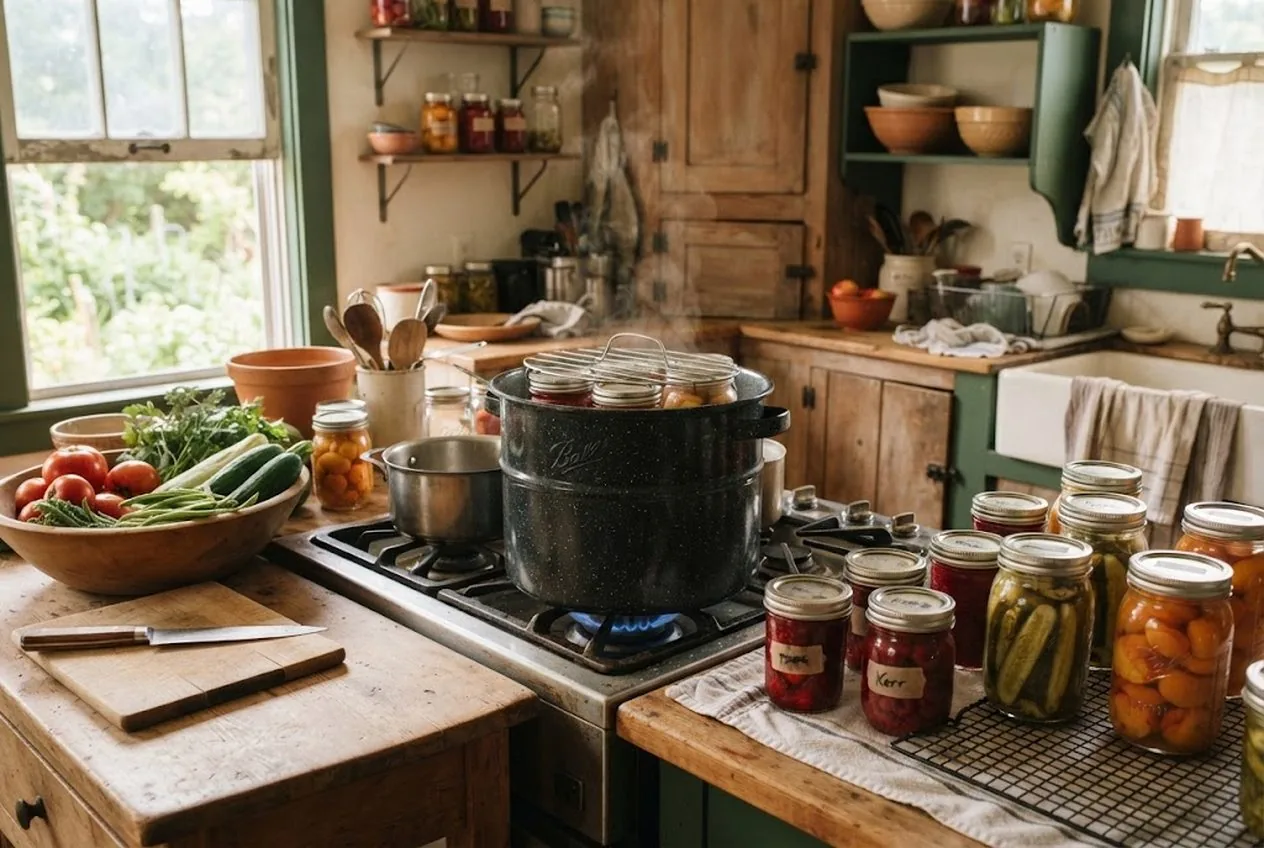
Water-bath canning basics for beginners: which summer-harvest foods are safe, the acid rule, the step-by-step method, headspace and how to check your seals.
Keep food safe off-grid without a fridge or generator — dehydrating, pressure canning and vacuum sealing plus low-tech cold storage that works.
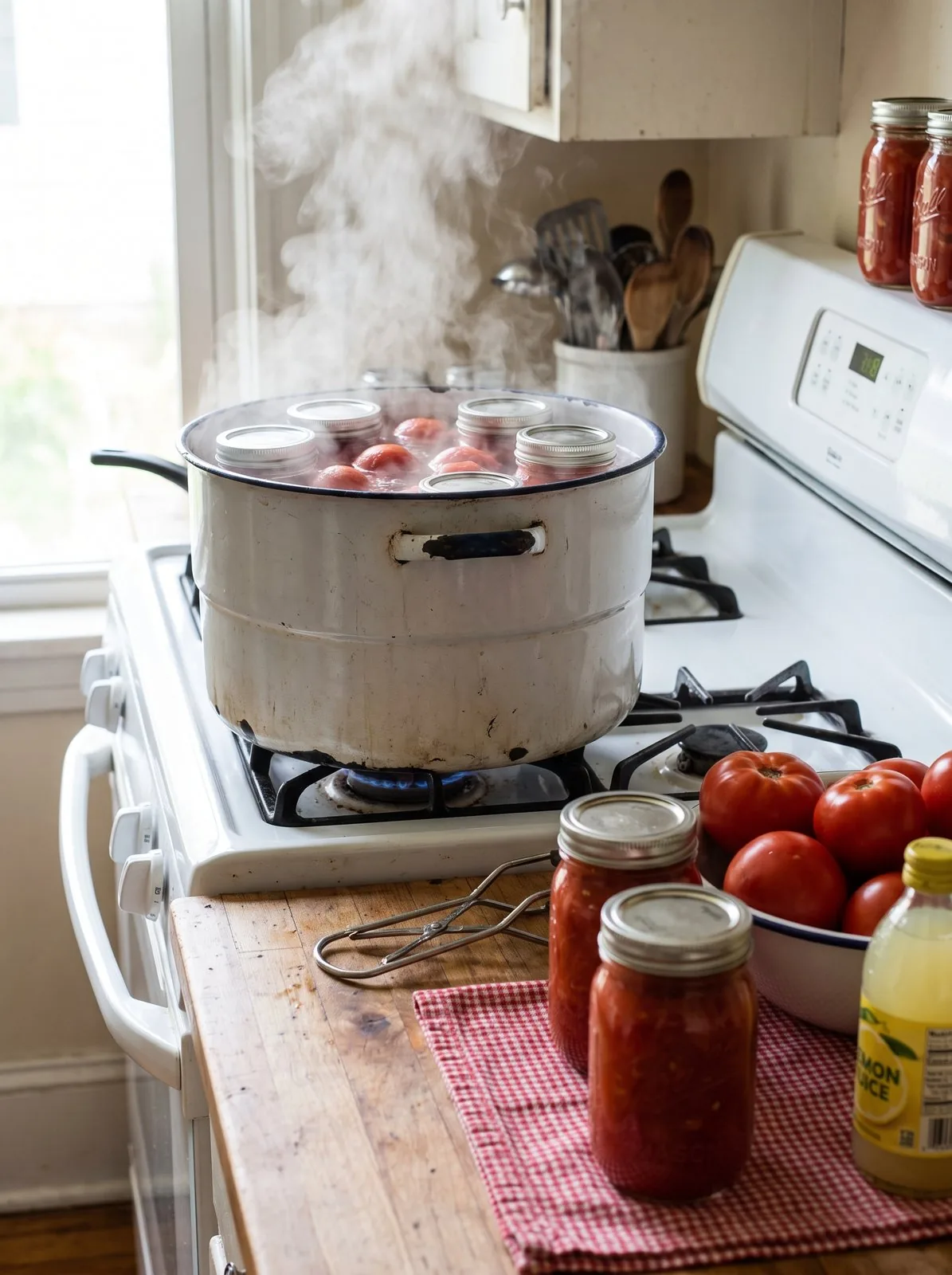
Water-bath canning tomatoes for beginners: the acid safety rule, step-by-step method, headspace, processing times and altitude adjustments to can safely.
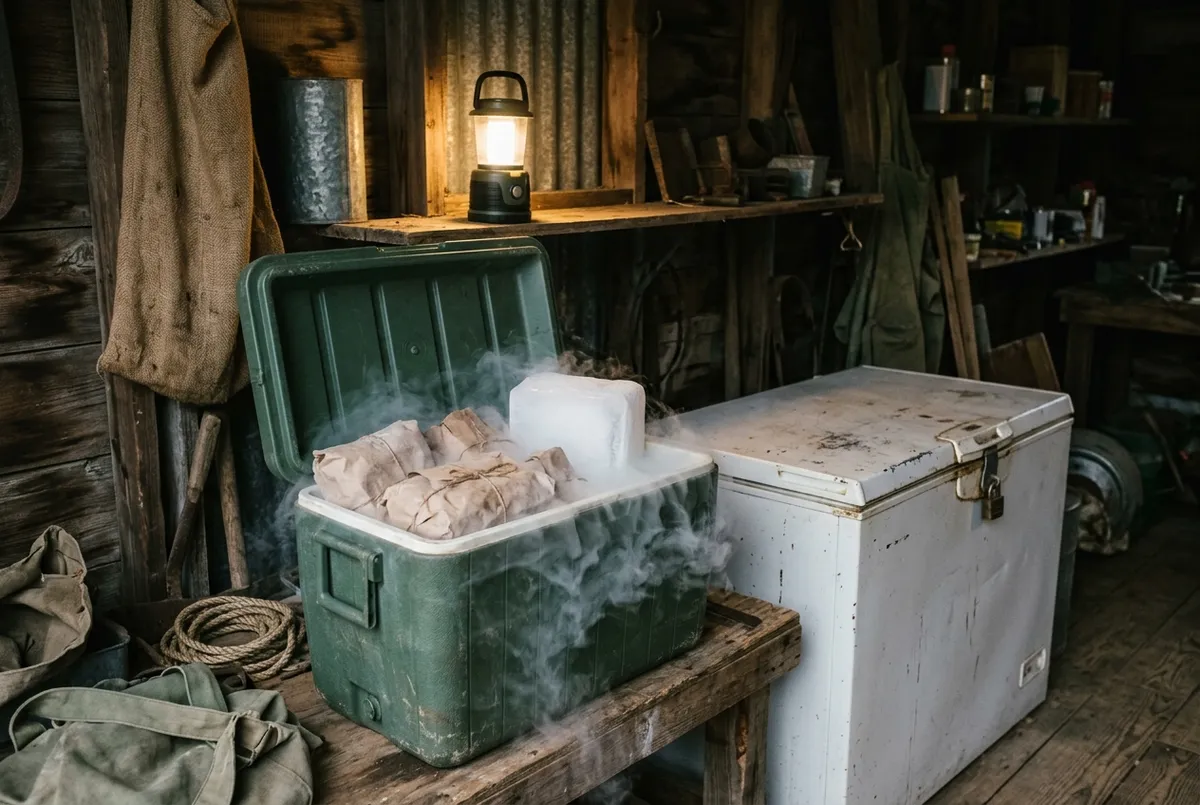
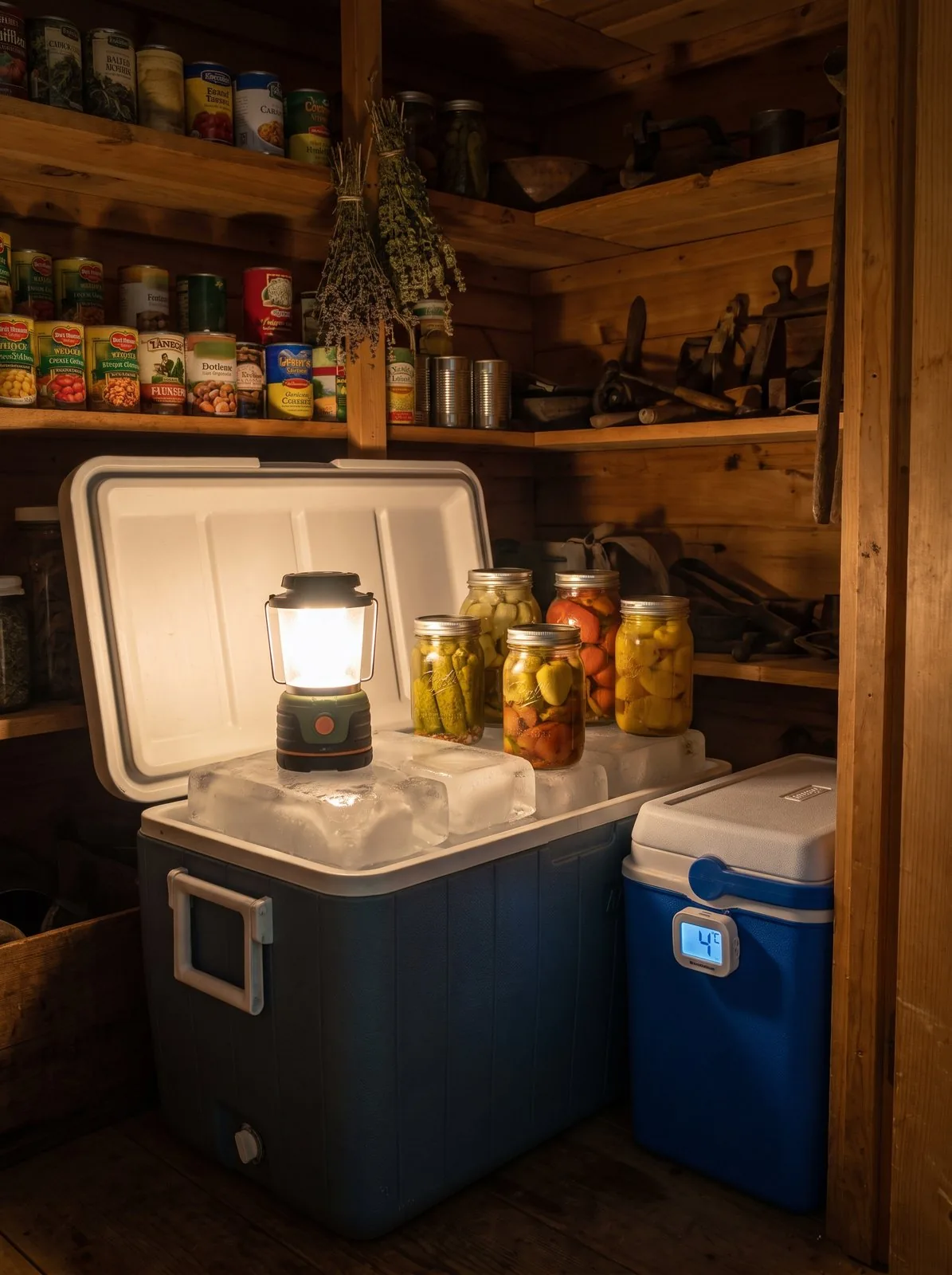
How to keep food cold when the power goes out: the 4-hour fridge rule, block and dry ice, coolers, and running your fridge off a power station.
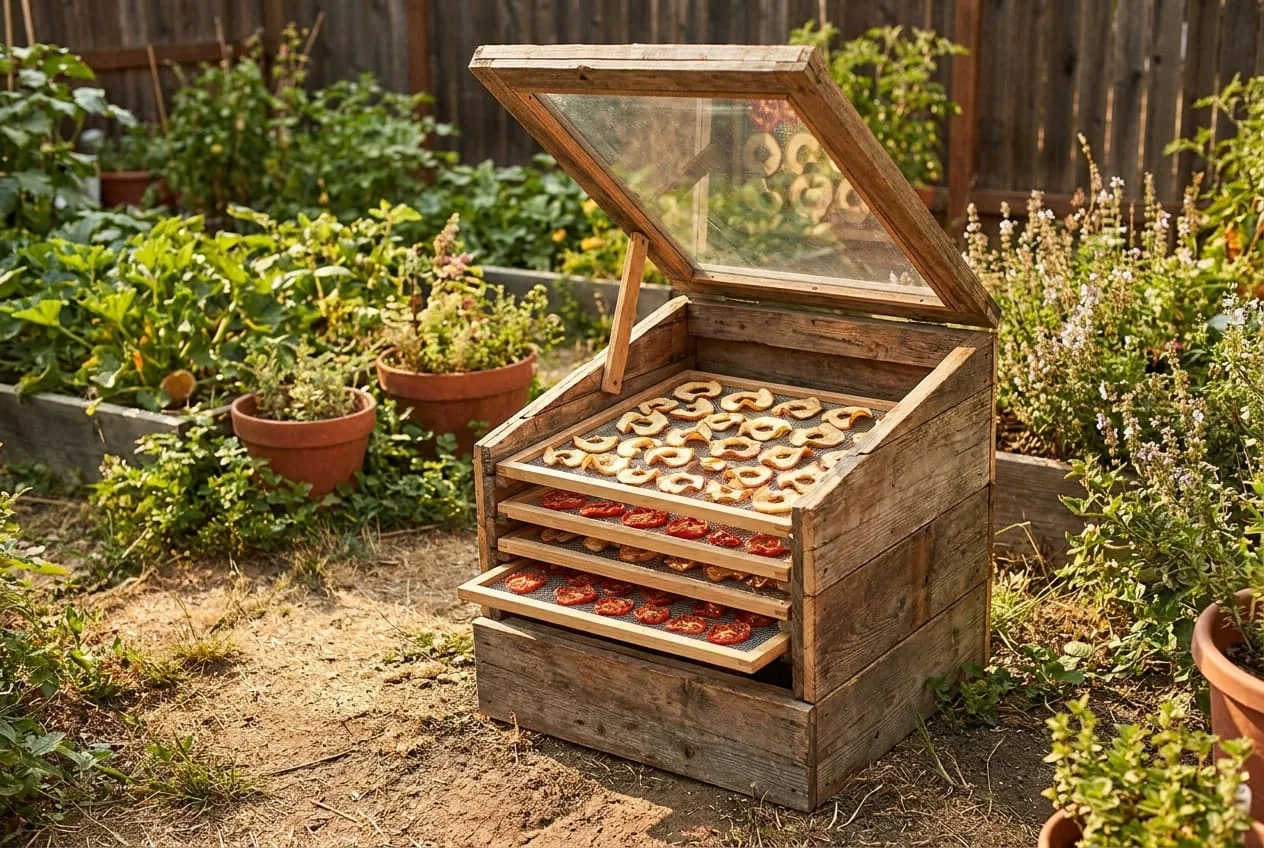
Build a DIY solar food dehydrator. Two proven designs, full materials list, realistic drying times, and USDA food safety basics.
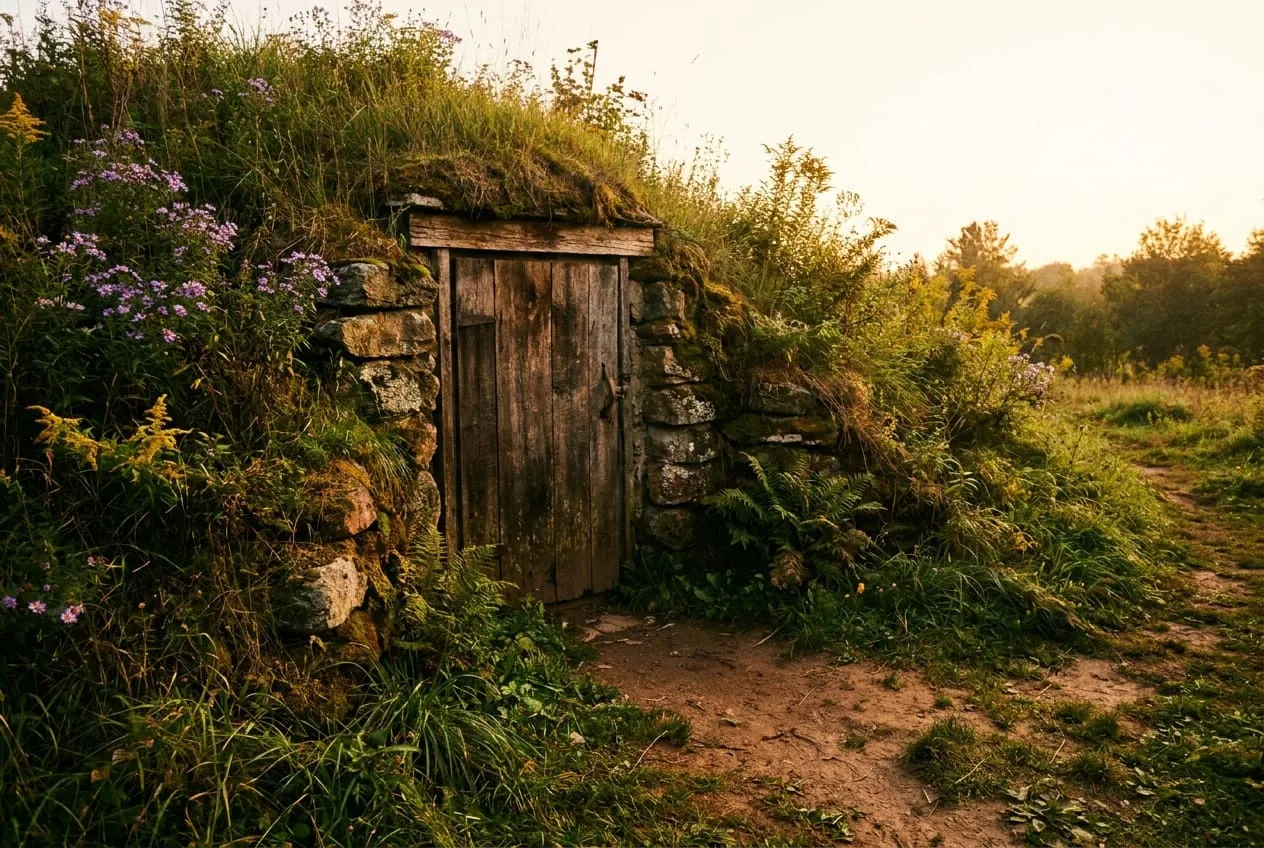
Four root cellar designs from a $30 buried barrel to a full basement build — real costs, ideal storage temps, and the mistakes that rot your harvest.
The 8 long-term food storage mistakes that quietly destroy stockpiles — heat, oxygen, pests, and rotation failures — plus what each one costs you in dollars.
Six time-tested ways to preserve food without electricity — with realistic shelf lives from USDA and NCHFP guidance, not sales-page exaggerations.
The Lost SuperFoods costs $37 with two bonuses and a 60-day refund. What's inside, shelf-life caveats, and who should skip it.